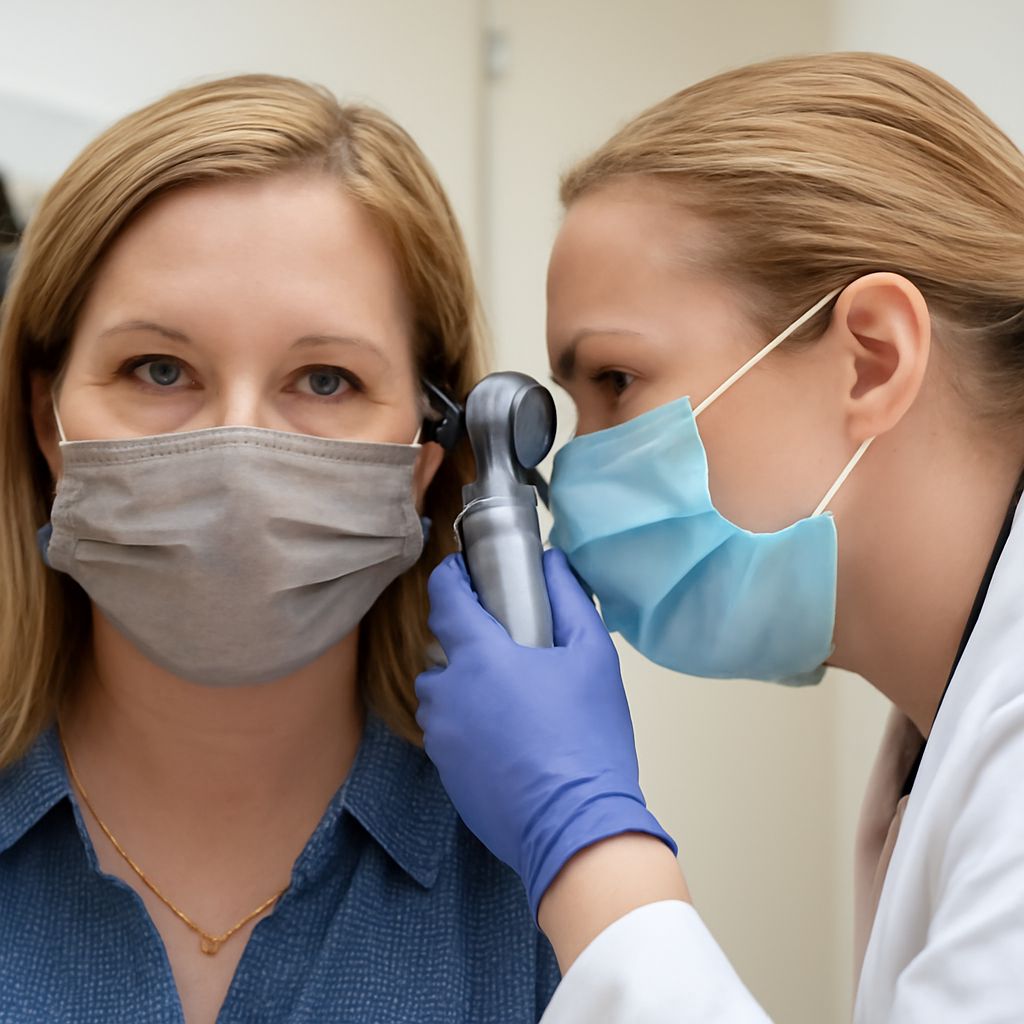
NP: Exploring the Role and Education of a Nurse Practitioner
In the rapidly evolving landscape of healthcare, nurse practitioners (NPs) play a pivotal role in bridging the gap between patient needs and effective care delivery. As healthcare complexities increase, the significance of NPs has grown, providing solutions to a system under pressure and offering patients more choices for quality care. But what is a nurse practitioner, and what educational pathways lead to this rewarding career?
Understanding the roles, responsibilities, and educational requirements of NPs is crucial for anyone considering this career. Whether you’re an aspiring healthcare professional or simply curious about the NP’s impact on healthcare, this article will guide you through essential insights into becoming and thriving as an NP.
Introduction to NP
Nurse practitioners are advanced practice registered nurses who are trained to provide comprehensive care. They collaborate with physicians and other healthcare professionals to deliver patient-centered care. With the authority to diagnose and treat illnesses, NPs play an influential part in the healthcare team.
What Is a Nurse Practitioner?
A nurse practitioner is an advanced practice nurse with specialized training, enabling them to perform a range of healthcare services traditionally offered by doctors. They are licensed to conduct assessments, prescribe medications, and manage patient treatment plans. NPs are pivotal in promoting wellness and preventing diseases, often working in primary care settings, hospitals, and clinics.
Nurse practitioners focus on both the emotional and physical aspects of patient care, ensuring that treatment encompasses the whole person. Their role extends to educating patients and families about health conditions and preventive measures.
Educational Pathways to Becoming an NP
To embark on the journey of becoming an NP, candidates must first obtain a Bachelor of Science in Nursing (BSN) and become a registered nurse (RN). This foundational step is critical in gaining the necessary clinical experience and knowledge.
After achieving RN status, aspiring nurse practitioners typically pursue a Master of Science in Nursing (MSN) or a Doctor of Nursing Practice (DNP) degree. These programs focus on advanced clinical training, leadership, and research skills. Specialized tracks in family practice, pediatrics, or geriatrics allow NPs to tailor their education to specific fields.
Finally, obtaining certification is essential. National certification exams are administered by recognized organizations, ensuring that NPs meet the rigorous standards required for practice.
Roles and Responsibilities of NPs
Nurse practitioners fulfill a variety of roles, from primary care providers to specialists in complex medical fields. They are responsible for taking comprehensive health histories, performing physical exams, and interpreting diagnostic tests. Their responsibilities may also include developing treatment strategies and educating patients about management plans.
NPs have the autonomy to prescribe medications, which empowers them to implement and adjust treatment plans efficiently. Their expertise in patient counseling and education is essential in promoting lifestyle changes and adherence to treatment.
Collaboration with other healthcare providers is a key component of an NP’s role. They often work in interdisciplinary teams, contributing to a holistic approach to healthcare that benefits patients and enhances care quality.
Career Opportunities for NPs
With a growing demand for healthcare services, career opportunities for nurse practitioners are abundant and diverse. NPs can work in settings ranging from private practices to large healthcare systems. Specializations such as psychiatry, acute care, and women’s health offer pathways for NPs to focus on areas aligned with their interests and expertise.
The flexibility of the NP role allows practitioners to switch specialties, pursue leadership roles, or engage in academia and research. The evolving healthcare landscape provides continual opportunities for professional growth and development.
Additionally, telehealth has opened new avenues for NPs, enabling them to expand their reach and provide care remotely. This innovation not only broadens access to healthcare but also enriches the NP’s scope of practice.
Pro tips recap: To excel as a nurse practitioner, focus on pursuing a robust educational foundation, gaining diverse clinical experiences, and continuously updating your skills. Embrace opportunities for specialization and remain adaptable to the evolving healthcare environment. Collaboration and communication are vital in delivering patient-centered care, ensuring that NPs remain integral to the healthcare system.