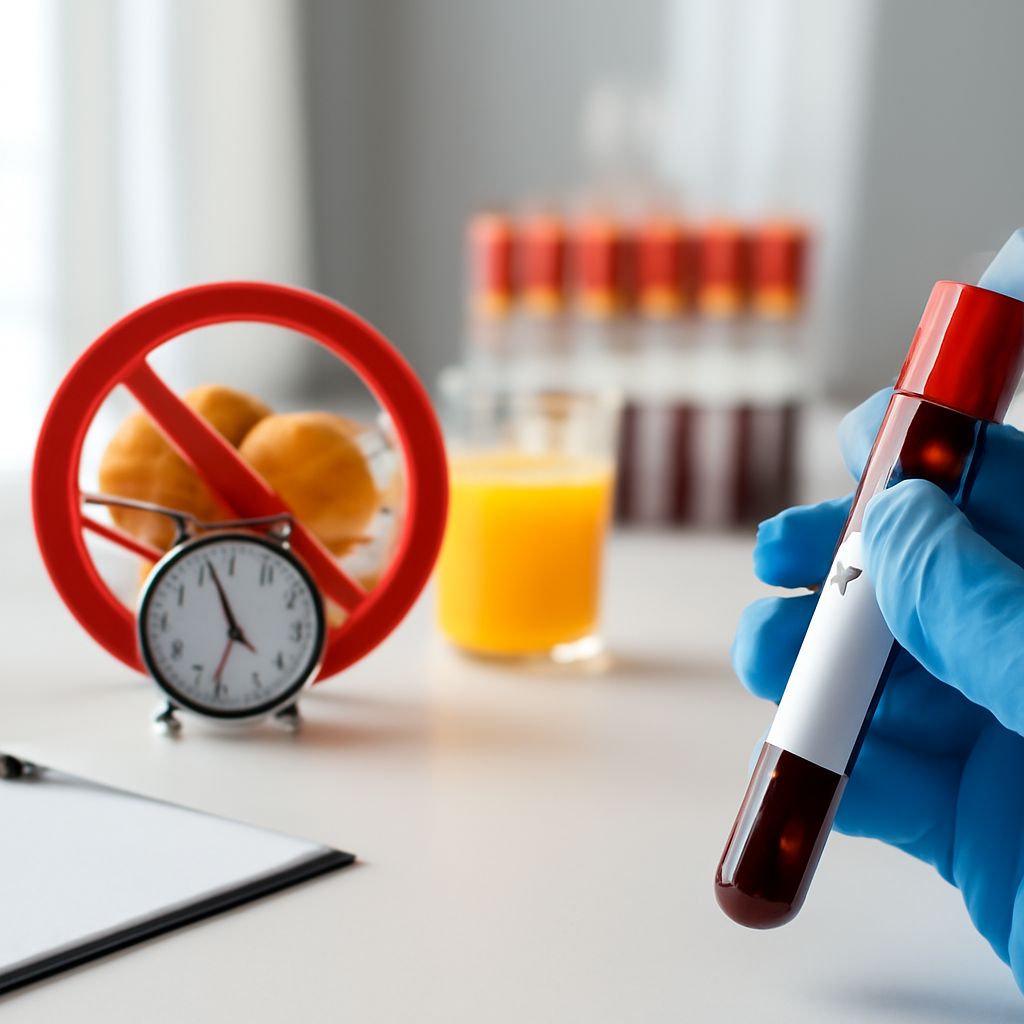
How Long to Fast Before Blood Work: Essential Guidelines
Fasting before blood work is a common requirement, yet many patients remain uncertain about the specifics. Understanding how long to fast before blood work and whether you can drink water during this period is crucial for accurate test results. In this guide, we’ll clarify fasting requirements to help you prepare effectively.
If you’ve ever asked, “Can you drink water before blood work?” or wondered if any liquid intake is allowed during fasting, this article will provide the answers you need. Let’s explore the essential guidelines for fasting and ensure your next blood test is as smooth as possible.
Understanding Fasting Requirements for Blood Work
The primary goal of fasting before blood work is to ensure that the results are not influenced by recent food or drink intake. Different tests require different fasting periods. For instance, certain lipid panels or glucose tests necessitate fasting to accurately measure levels without the interference of consumed nutrients.
Fasting generally involves abstaining from food and certain beverages for a designated period before the test. The exact duration of fasting can vary depending on the specific tests being conducted. Discussing with your healthcare provider about the necessary fasting period for your blood work is always advisable.
How Long to Fast Before Blood Work: General Rules
Typically, fasting for blood work ranges from 8 to 12 hours. For tests like cholesterol or glucose analysis, an overnight fast often suffices. It’s important to follow the guidelines provided by your healthcare professional, as the type of test can dictate specific requirements.
Should your healthcare provider recommend a 10-hour fasting period, ensure that you refrain from consuming anything other than water during this time. The consensus across medical institutions is that maintaining a strict fasting period helps deliver precise test outcomes.
While the question “How long do you need to fast before blood work?” is common, the answer is test-specific. Always confirm with your doctor to avoid unnecessary repeat testing.
Can You Drink Water When Fasting for Blood Work?
The good news is that water is generally allowed when fasting for blood work. Water does not interfere with the tests and can help maintain hydration. Staying hydrated can also make it easier for the technician to draw your blood by maintaining good vein visibility.
In most cases, consuming water is not only permitted but encouraged. It can prevent dehydration, dizziness, or fainting that might otherwise occur from fasting. However, always verify with your healthcare provider if the test you are scheduled for has any particular instructions regarding water intake.
Can You Drink Water Before Blood Work: What Experts Say
Healthcare experts generally agree that drinking water before blood work does not affect the test results. In fact, it is often recommended as it keeps you hydrated and makes the blood draw process more efficient.
Before attending your appointment, aim to drink a few glasses of water. This practice helps ensure you remain hydrated and can potentially reduce the discomfort associated with fasting. Experts emphasize the need for clear communication with your healthcare provider about any unique test requirements, including water intake.
Always remember to ask specific questions like, “Can I drink water before blood work?” to get the most accurate information for your situation.
Tips for a Smooth Fasting Experience
Successfully fasting before blood work requires planning and understanding your body’s needs. Here are some tips to ensure a seamless experience:
- Schedule an Early Appointment: Opt for a morning slot to minimize the time you spend fasting while awake.
- Stay Hydrated: Continue drinking water up until the time of your test to maintain hydration levels.
- Plan Your Meals: Have a balanced meal before starting your fast, focusing on proteins and complex carbs to sustain energy levels.
- Communicate with Healthcare Providers: If you have medical conditions or take medications, discuss your fasting needs with your doctor.
By following these guidelines, you can ensure that your fasting experience is as comfortable and effective as possible.
Safety Recap: When fasting for blood work, water is your ally. It aids in hydration without impacting test results, ensuring the process is safer and more comfortable. Always follow your healthcare provider’s advice for the best outcomes.