Electronic Medical Records Software: How Digital Charts Work
Digital systems for medical records organize patient information and support clinical work. Learn what they hold, who can access them, and how data may be shared.
Read More
Digital systems for medical records organize patient information and support clinical work. Learn what they hold, who can access them, and how data may be shared.
Read More
An outpatient surgical facility coordinates a procedure and recovery before discharge. Explore each stage of a visit and how the setting can affect billing.
Read More
Critical access hospital definition provides insight into small, rural hospitals offering essential care. Learn about their role, benefits, and criteria.
Read More
Medical charges after a death can involve insurers, billing offices, and an estate. Learn what records to gather, which questions to ask, and how to track replies.
Read More
A medical decision-making agent can speak when a patient cannot. Learn how the appointment works, where to find state-specific forms, and who needs a copy.
Read More
How to transfer a prescription from one pharmacy to another smoothly. Learn tips on how to transfer prescriptions and the benefits of switching pharmacies.
Read More
What is outpatient care? Explore the difference between inpatient and outpatient services to understand which is best for your healthcare needs.
Read More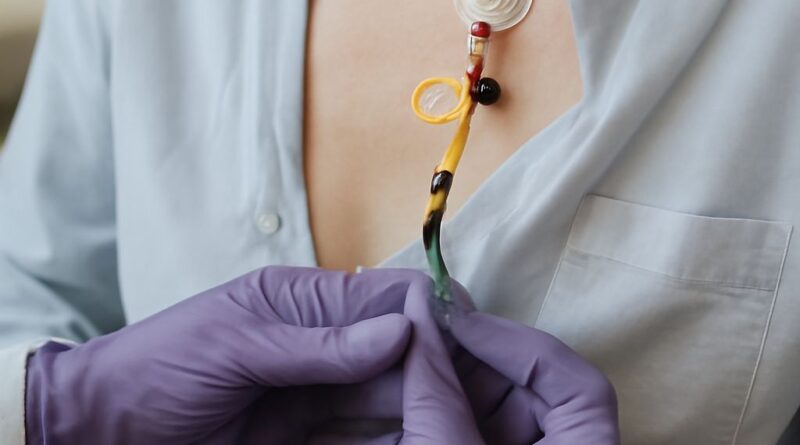
A medical port, often used for chemotherapy, is vital in patient care. Learn about what a chemo port looks like and its role in treatment.
Read More
How long does an epidural last? Explore epidural placement and how epidurals work to provide pain relief during labor and medical procedures.
Read More
Coordinating a patient’s care can involve many offices. Learn how a coordinator helps with referrals, records, and appointments, and what to ask before calling.
Read More