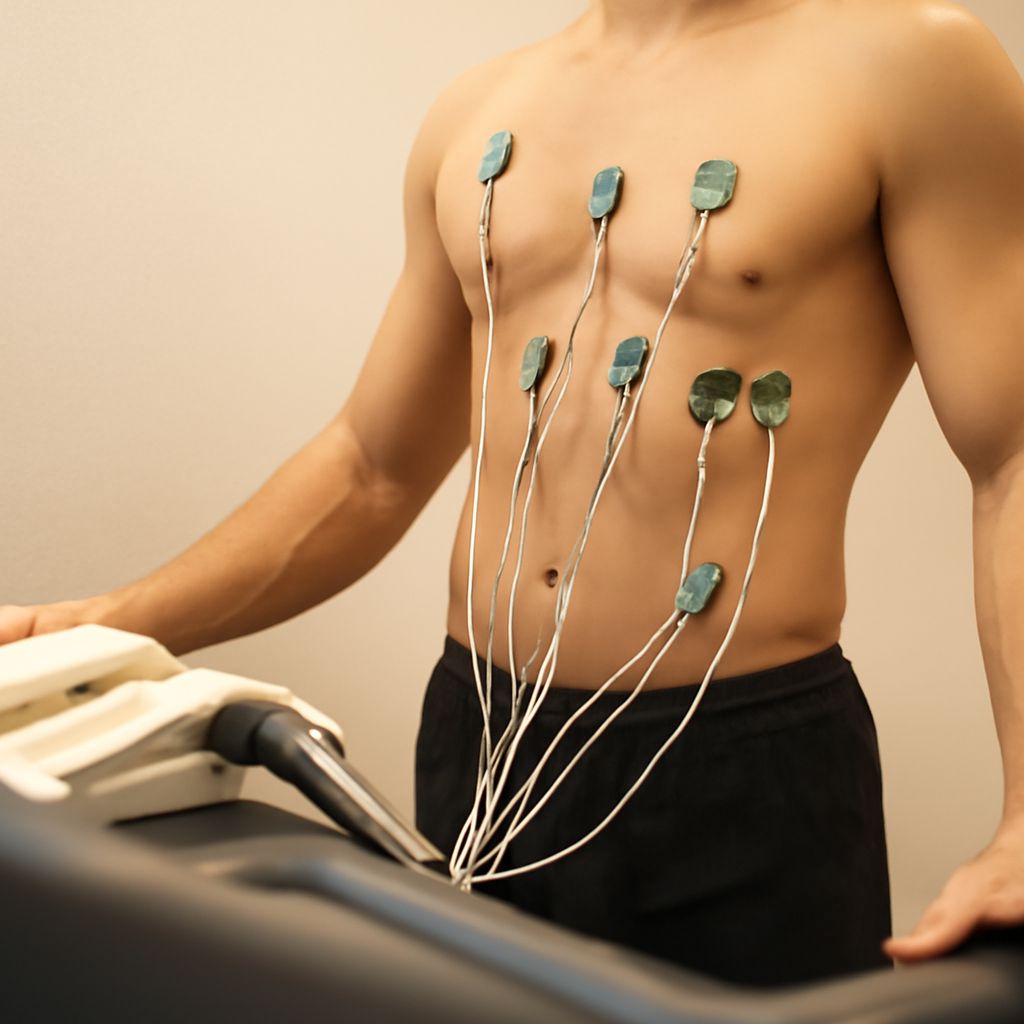
Understanding the Nuclear Stress Test
Cardiovascular health is a cornerstone of overall well-being, yet many individuals remain unaware of their heart’s condition until symptoms arise. The nuclear stress test procedure offers a solution by providing detailed insights into heart function and blood flow. This test, an integral part of nuclear medicine stress tests, is crucial for early diagnosis and prevention of heart disease.
Through a nuclear heart test, doctors can identify areas of the heart that receive inadequate blood supply, thus helping to avert potential health crises. Let’s delve into the intricacies of the nuclear stress test and why it is indispensable.
What Is a Nuclear Stress Test?
A nuclear stress test, also known as a myocardial perfusion imaging test, evaluates blood flow to the heart both at rest and during exertion. By using small amounts of radioactive material, or tracers, it creates images showing how well blood reaches various parts of the heart muscle. This imaging technique is vital for assessing coronary artery disease.
The test involves a dual-phased approach: first, capturing images of the heart at rest, and then during physical or pharmacological stress. This comparison allows for a thorough analysis of potential blockages or damage.
Why Is the Nuclear Stress Test Important?
The nuclear stress test is a fundamental tool in diagnosing heart ailments. It helps detect coronary artery disease, assess the severity of any existing conditions, and evaluate the effectiveness of treatments. By revealing regions with restricted blood flow, it plays a key role in managing heart health.
For those with symptoms like chest pain or shortness of breath, this test provides critical information. Additionally, it aids in planning appropriate medical or surgical interventions, ensuring targeted and effective care.
Moreover, the test can help determine the best course of action for patients with ambiguous symptoms. It serves as a clarifying step, ensuring that treatment plans are based on comprehensive data.
The Nuclear Stress Test Procedure
The nuclear stress test procedure begins with the administration of a radioactive tracer into a vein. This substance circulates through the bloodstream to the heart. Initially, images are taken while the patient is at rest.
Following this, the heart is subjected to stress, either through exercise on a treadmill or with medication that simulates physical exertion. During this phase, more images are captured to observe changes in blood flow.
The entire process typically spans several hours, although the actual imaging takes only a few minutes. Throughout, medical professionals closely monitor heart activity and blood pressure to ensure safety and accuracy.
Preparing for Your Nuclear Heart Test
Preparation for a nuclear heart test is crucial for accurate results. Patients are usually advised to avoid caffeine and certain medications before the procedure. Fasting for a specified period might also be necessary.
Wearing comfortable clothing and shoes suitable for exercise is recommended. Clear instructions from healthcare providers ensure that the test proceeds smoothly, providing the most reliable data.
Communication with your doctor about current medications and health conditions is vital. This dialogue ensures that any necessary adjustments are made in advance, optimizing the test’s effectiveness.
Understanding Results and Next Steps
Once the test is complete, a qualified physician interprets the images. The results can indicate either normal blood flow or highlight areas with reduced circulation, suggesting blockages or damage.
If abnormalities are discovered, further investigations or interventions may be required. This could include lifestyle modifications, medication adjustments, or in some cases, surgical procedures.
In the absence of significant findings, the results provide reassurance and serve as a baseline for future comparisons. Regardless of the outcome, maintaining regular follow-ups with a healthcare provider is essential for ongoing heart health.
Next Steps: Engage with your healthcare team to formulate a personalized plan based on your nuclear stress test results. Consistently monitor your heart health and adhere to recommended lifestyle adjustments to enhance cardiac function. Regular check-ups ensure that any changes in your condition are promptly addressed, supporting long-term well-being.