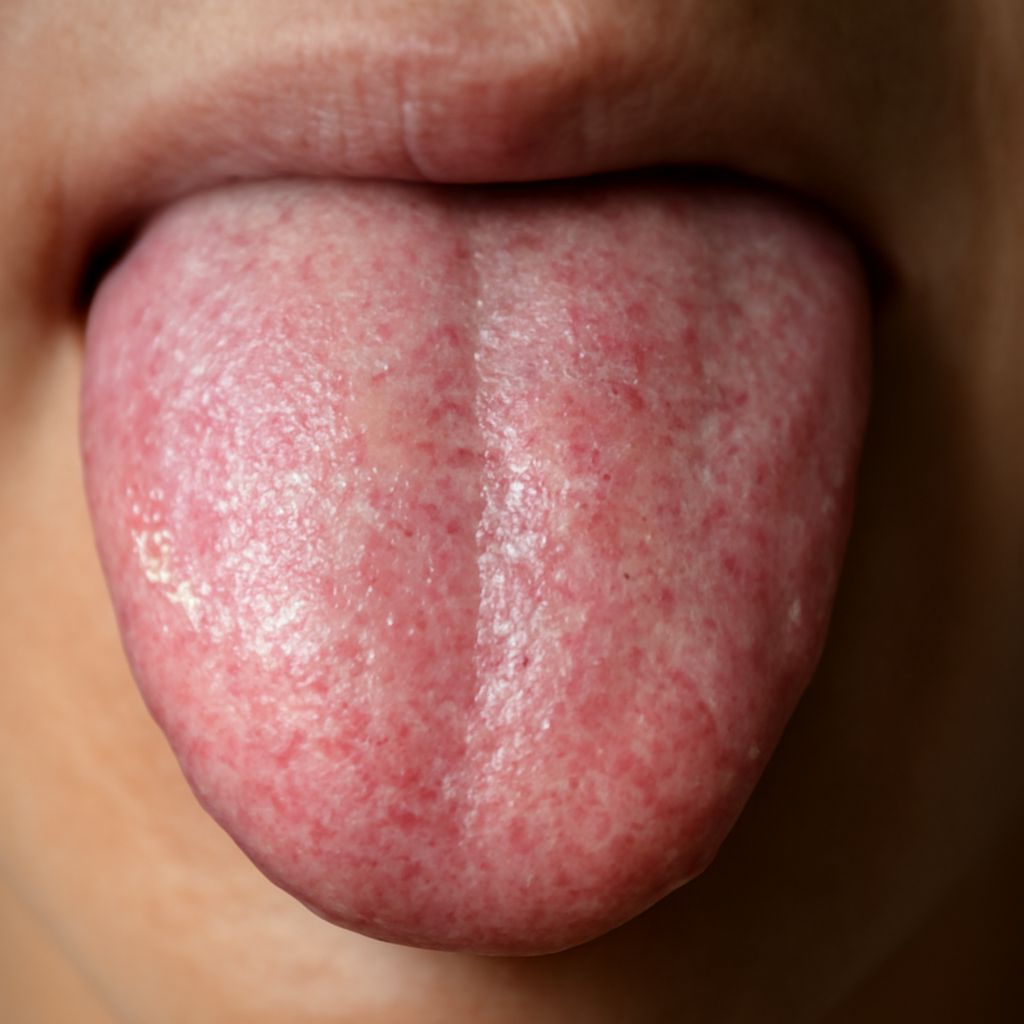
Understanding Bump on Tongue: Causes and Solutions
Have you ever noticed a small, uncomfortable bump on your tongue and wondered what it could be? This common phenomenon, often referred to as a “lie bump,” can be alarming, but it is typically harmless. Understanding what causes these bumps and how to address them can ease your mind and help you maintain oral health. In this article, we will explore the nature of these bumps, including the potential causes of a white bump on tongue, and discuss when you should be concerned about a pimple on tongue. Finally, we will provide some effective home remedies and treatments.
What Is a Bump on Tongue?
A bump on the tongue can appear for various reasons. These small, often painful protrusions may be the result of inflamed papillae, which are the tiny nodules on the surface of the tongue that contain taste buds. Despite their discomfort, these bumps are usually benign and resolve on their own. Some people may experience frequent occurrences, while others might rarely notice them.
In most cases, these bumps can be classified as transient lingual papillitis, a temporary inflammation of the tongue’s papillae. This condition is not serious, and the bumps typically clear up without medical intervention.
Common Causes of Lie Bumps
Several factors can contribute to the development of lie bumps. A common cause is irritation or trauma from biting the tongue, consuming overly hot foods or beverages, or experiencing a reaction to certain foods. Stress and hormonal changes have also been linked to the appearance of these bumps, as they can affect the body’s inflammatory response.
Additionally, some individuals may find that their tongue becomes irritated after eating spicy or acidic foods. This irritation can lead to a temporary swelling of the papillae, resulting in the characteristic bump.
Another potential factor is an allergic reaction to oral care products. Switching toothpaste or mouthwash can sometimes trigger these tiny bumps, highlighting the importance of selecting products that suit your sensitivities.
Identifying a White Bump on Tongue
When a white bump appears on the tongue, it might be a sign of transient lingual papillitis. These bumps are typically small and white or red and can cause a stinging sensation. Although they are generally harmless, it is essential to monitor changes in the bump’s appearance or sensation.
In some cases, a white bump could indicate a canker sore or oral thrush. Canker sores are small, painful ulcers that occur inside the mouth, while oral thrush is a fungal infection characterized by white patches. Distinguishing between these conditions and a simple lie bump is crucial for appropriate treatment.
If the white bump persists or is accompanied by other symptoms, such as fever, difficulty swallowing, or persistent pain, seeking medical advice is advisable.
When to Worry About a Pimple on Tongue
A pimple on the tongue might cause concern, but not every bump is a cause for alarm. However, paying attention to accompanying symptoms is important. If the bump grows larger, changes color, or becomes increasingly painful, it may require medical attention.
Persistent bumps that do not improve within a week or two, or that are accompanied by other unusual symptoms, should be evaluated by a healthcare professional. These symptoms could indicate an underlying condition that needs further investigation.
In rare cases, a bump on the tongue could be a sign of a more serious condition, such as oral cancer. Therefore, it is always better to err on the side of caution and consult a doctor if you have any concerns.
Home Remedies and Treatments
For most bumps on the tongue, simple home remedies can provide relief. Maintaining good oral hygiene is crucial to preventing further irritation and promoting healing. Brushing your teeth gently and using an antiseptic mouthwash can help manage the symptoms.
Rinsing with a saline solution or warm salt water can also soothe the affected area. This can be done several times a day to reduce inflammation and promote recovery.
Avoiding irritants such as spicy, acidic, or hot foods can prevent additional discomfort and allow the bump to heal more quickly. Opt for a soft diet and cool foods to minimize irritation.
Over-the-counter topical treatments can offer relief by numbing the pain or reducing inflammation. These treatments are generally safe; however, if symptoms persist, it is advisable to seek medical advice.
For persistent or recurrent bumps, consider evaluating lifestyle factors such as stress and diet, which may contribute to their formation. Making necessary adjustments can lead to fewer occurrences.
Next Steps
Managing tongue bumps involves a combination of good oral hygiene, dietary adjustments, and occasional medical consultation. By understanding the common causes and solutions, you can address these bumps effectively. Should symptoms persist or cause significant discomfort, consulting with a healthcare provider can ensure proper diagnosis and treatment. Regular dental check-ups are also recommended to maintain overall oral health and catch potential issues early.