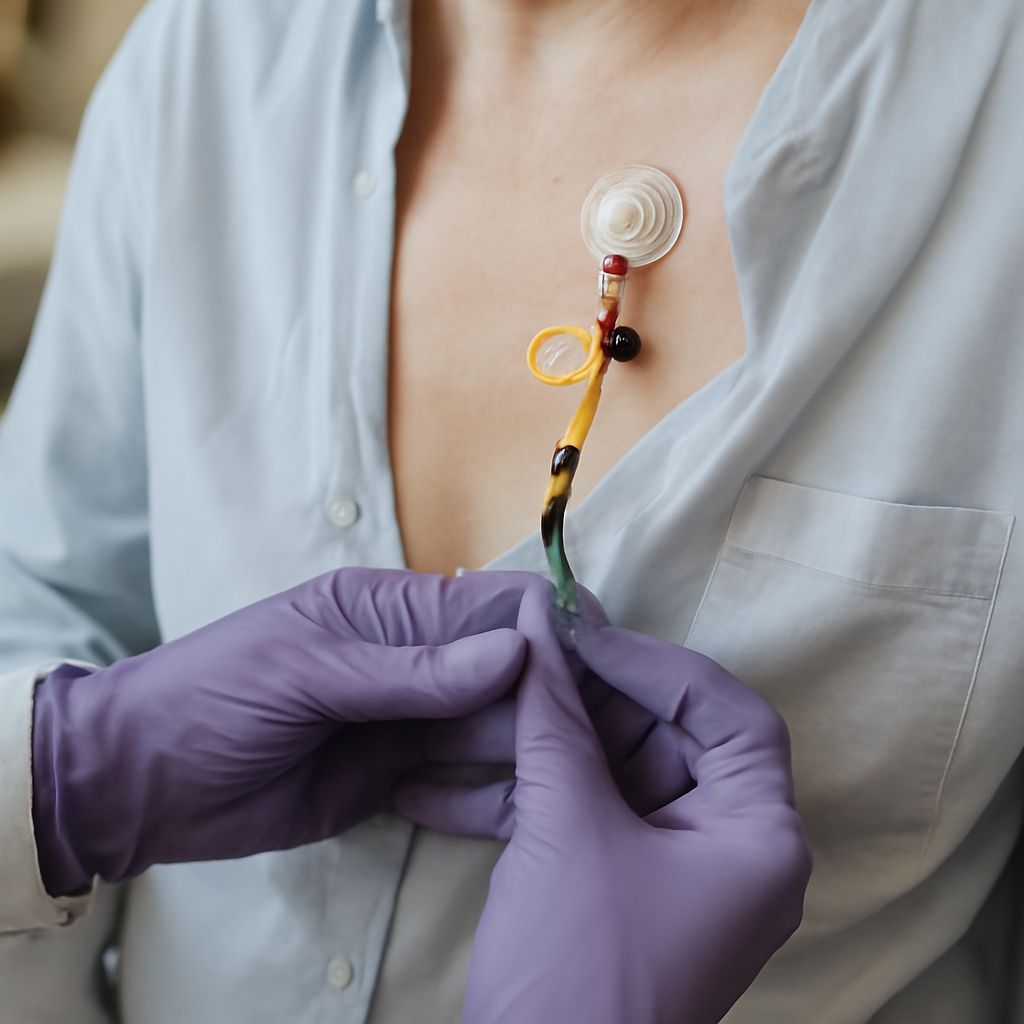
Understanding a Chest Port: Essential Information for Patients
In the realm of patient care, understanding vital medical tools can significantly alleviate anxiety and foster better patient outcomes. For individuals undergoing chemotherapy, a chest port is a crucial component that enhances the treatment experience. This article aims to demystify what a chemo port looks like and how it supports patient care, detailing the procedure and benefits associated with its use.
Introduction to a Chest Port
A chest port, also known as a medical port, is a small device implanted beneath the skin, often in the chest area. This device is a gateway for medical professionals to administer treatments like chemotherapy safely and efficiently. Its design minimizes discomfort and reduces the need for repeated needle sticks, which can be especially beneficial for those requiring long-term care.
What Is a Medical Port?
A medical port consists of a small reservoir attached to a catheter that connects to a large vein. This setup allows medical personnel to draw blood or deliver medications directly into the bloodstream. Although the port may seem complex, it is an ingenious solution to frequent venous access needs.
These ports are typically made from durable materials like titanium or plastic and are designed to last through multiple treatments. The reservoir is palpable under the skin, which helps healthcare providers locate it for needle insertion.
Using a medical port streamlines the treatment process, making it less intrusive and more manageable for patients. By reducing the frequency of intravenous punctures, it preserves the veins and reduces the risk of infection.
Port Placement for Chemo: The Procedure
The procedure to implant a port for chemotherapy is relatively straightforward and conducted in a sterile environment. Often performed under local anesthesia with sedation, the surgeon makes a small incision to insert the port under the skin and thread the catheter into a vein.
Post-procedure, patients may experience mild discomfort, but this typically subsides within a few days. Proper post-operative care, including keeping the area dry and clean, is essential in preventing complications.
The convenience offered by a port cannot be overstated; it significantly enhances the efficiency of delivering treatments, making the experience less daunting for patients.
What Does a Chemo Port Look Like?
Visually, a chemo port is about the size of a quarter and creates a slight elevation under the skin. It is composed of a silicone top, which is where needles are inserted. This design ensures minimal pain during access.
The port’s discreet appearance is often a relief to patients concerned about cosmetic impact. While it is not invisible, it is subtle enough not to interfere with daily activities or wardrobe choices.
Understanding what a chemo port looks like and how it functions can alleviate apprehension and contribute to a smoother treatment journey.
Benefits of Using a Chest Port
A chest port offers numerous advantages, chief among them being the reduction in needle sticks. This minimizes discomfort and potential damage to veins, which is particularly beneficial for patients with difficult venous access.
Moreover, ports significantly decrease the likelihood of infection compared to traditional intravenous methods because of their stable, long-term access point. They also facilitate higher doses of chemotherapy, directly impacting the treatment’s efficacy.
The overall convenience and improved quality of life these ports offer cannot be understated, providing a reliable and efficient method for delivering necessary treatments.
Caring for Your Medical Port
Proper care of a medical port is critical in ensuring its functionality and preventing complications. Regular flushing of the port as advised by healthcare providers is necessary to maintain patency and reduce the risk of clot formation.
Patients should be vigilant about observing the site for signs of infection, such as redness or swelling, and seek medical advice if these occur. Keeping the area clean and dry helps maintain a sterile environment, crucial for ongoing care.
By adhering to these care guidelines, patients can maximize the benefits of their medical port, ensuring a seamless treatment process.
Pro tips recap: For those requiring frequent treatments, understanding the role and maintenance of a chest port is key. It offers ease, reduces discomfort, and ensures safe and effective treatment administration. Emphasizing proper care and communication with your healthcare team will enable you to navigate your treatment with confidence.