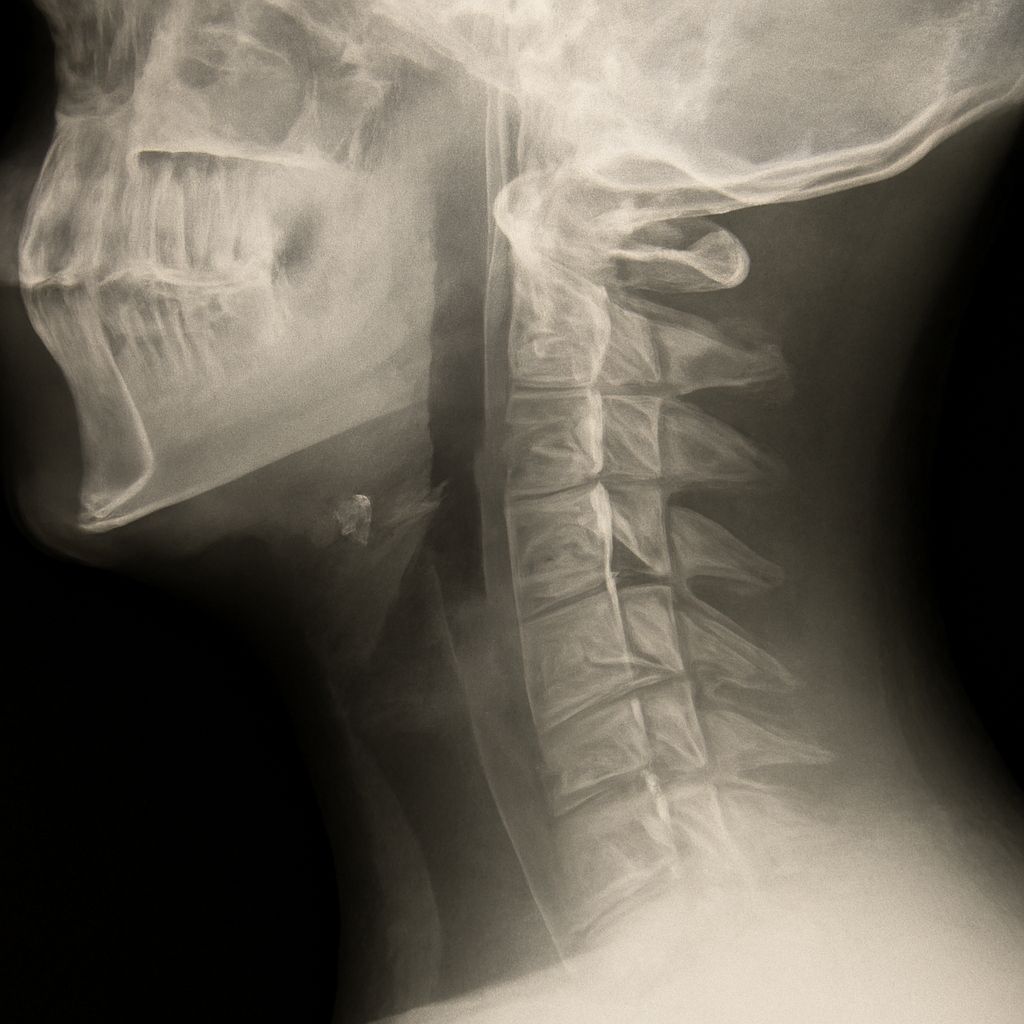
Neck MRI: Understanding the Process and Benefits
In today’s fast-paced world, understanding the intricacies of our health can often feel overwhelming. The neck, a crucial part of our anatomy, plays a pivotal role in our overall well-being. However, when neck pain or discomfort arises, pinpointing the cause can be challenging. Fortunately, the use of MRI neck scans offers a comprehensive solution. These scans provide detailed insights into neck health, helping medical professionals accurately diagnose issues. Moreover, proximity urgent care centers are increasingly becoming the go-to locations for these essential imaging services, offering convenience and speed.
Introduction to Neck MRI
A neck MRI, or magnetic resonance imaging, is a non-invasive diagnostic tool used to produce detailed images of the neck’s internal structures. This advanced imaging technique utilizes powerful magnets and radio waves, capturing images of tissues, organs, and bones without exposing patients to radiation. Anyone experiencing persistent neck pain, numbness, or other related symptoms might benefit from this sophisticated scan. The process is safe, providing critical data that can guide effective treatment plans.
Understanding the MRI Neck Procedure
The process of undergoing an MRI neck scan is straightforward but requires some preparation. Patients are typically asked to lie on a table that slides into a large, cylindrical scanner. Throughout the procedure, it is crucial for the individual to remain still to ensure the clarity of the images. The MRI machine emits a series of sounds during the scan, but patients are usually provided with earplugs or headphones to minimize discomfort.
Before the examination begins, patients should inform their healthcare provider of any metal implants or electronic devices, as these can interfere with the magnetic field. The entire procedure typically lasts between 30 to 60 minutes, during which time the MRI device collects detailed images of the neck’s internal structures from various angles.
Understanding the MRI neck process helps ease patient anxiety and ensures they are well-prepared for the scan. Knowing what to expect minimizes stress and can enhance the overall experience.
What an MRI of the Neck Reveals
An MRI of the neck is exceptionally useful for diagnosing a range of conditions. From herniated discs to spinal cord injuries, the scan provides an in-depth look at the cervical spine and surrounding tissues. Additionally, it can help identify abnormalities such as tumors, infections, or congenital anomalies that might not be visible through other imaging methods like X-rays or CT scans.
Radiologists analyze the generated images to detect signs of inflammation, fractures, or degenerative diseases. By highlighting these issues, an MRI neck scan aids in developing targeted treatment strategies that can address specific problems effectively.
The level of detail provided by an MRI makes it an invaluable tool in the diagnosis of complex cases, ensuring patients receive tailored interventions that can significantly improve their health outcomes.
Benefits of Choosing Proximity Urgent Care for MRI Neck
Opting for proximity urgent care centers for an MRI neck scan offers several advantages. These facilities are strategically located to offer accessible and swift healthcare services, reducing the time patients spend waiting for a diagnosis. By fostering a patient-centric approach, urgent care centers ensure that those in need gain prompt access to essential imaging services.
Moreover, urgent care facilities are equipped with state-of-the-art MRI technology, guaranteeing high-quality imaging results. The convenience of being able to visit a nearby location rather than a distant hospital is an added bonus for many patients seeking immediate attention.
Reliability and efficiency define the experience at urgent care centers, making them a preferred choice for many individuals looking for comprehensive neck imaging services.
Preparing for Your Neck MRI
Preparation is key to a successful neck MRI experience. Patients should wear comfortable clothing, removing any metal accessories such as jewelry or watches before the scan. It’s also advisable to inform the radiologist of any medical history that could be relevant, such as past surgeries or existing health conditions.
Maintaining a relaxed state of mind can also contribute to a smoother process. While the MRI environment might seem intimidating, understanding the procedure’s non-invasive nature and its importance in diagnosing neck issues can be reassuring.
Preparing for a neck MRI involves simple steps, but following these guidelines can greatly enhance the efficiency and accuracy of the scan, ultimately leading to a more effective diagnosis and treatment plan.
Bottom line: An MRI neck scan is a vital diagnostic tool that provides a clear view of the neck’s health status. By choosing proximity urgent care centers, patients can enjoy quick and convenient access to these imaging services. Proper preparation and understanding of the process further ensure a seamless experience, allowing for precise medical insights and better overall health management.