Reverse Total Shoulder Protocol: A Comprehensive Guide
Recovering from shoulder surgery can be a daunting process, especially when dealing with complex procedures like total shoulder replacement. Ensuring a successful recovery involves understanding the specific protocols in place. Among these, the reverse total shoulder replacement protocol has gained attention due to its effectiveness in certain cases. Adopting these protocols not only aids in restoring function but also minimizes complications post-surgery.
Patients often encounter confusion when faced with the choice between a standard total shoulder replacement protocol and its reverse counterpart. This comprehensive guide aims to demystify the reverse total shoulder protocol, providing clarity on its application and benefits. By exploring the distinctions and outlining the recovery steps, individuals can make informed decisions that support optimal healing.
Understanding the Reverse Total Shoulder Protocol
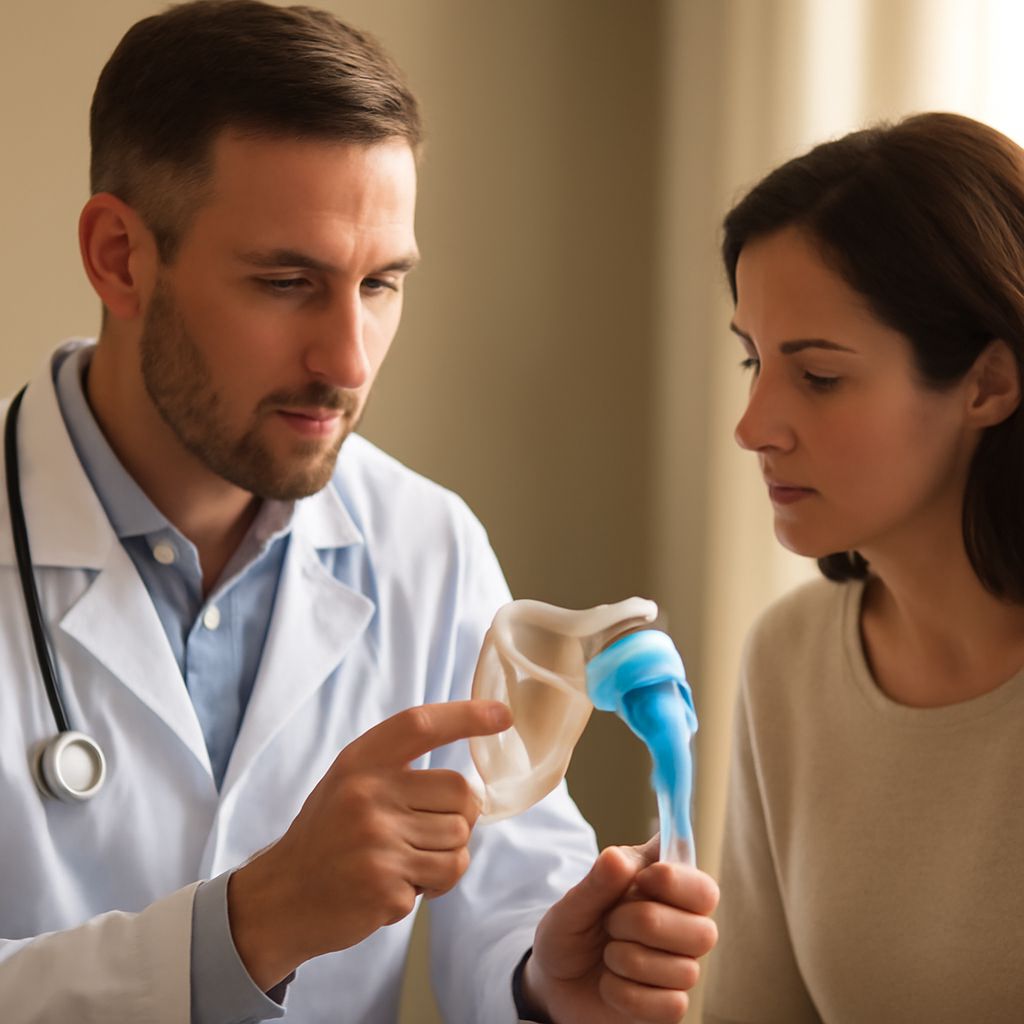
The reverse total shoulder replacement protocol is specifically designed for patients with damaged rotator cuffs or severe arthritis. Unlike the traditional total shoulder replacement, which relies on the rotator cuff for movement, the reverse approach uses the deltoid muscle to power the arm. This shift in mechanics significantly changes the rehabilitation process.
Understanding the intricacies of this protocol requires acknowledging how it modifies shoulder mechanics. The reverse configuration alters the joint’s anatomy, allowing patients with compromised rotator cuffs to regain functionality. This tailored approach can lead to improved outcomes in patients who might otherwise struggle with conventional methods.
Moreover, the reverse procedure is often preferred in cases where conventional shoulder replacement has failed. Its unique design addresses specific challenges, making it a versatile option in the shoulder replacement landscape. By leveraging the deltoid muscle, patients may experience better stability and strength in daily activities.
Steps in the Total Shoulder Replacement Protocol
The total shoulder replacement protocol involves a multi-step process designed to ensure successful recovery. The initial phase focuses on reducing inflammation and pain through rest and medication. Careful monitoring during this period is crucial to prevent complications.
Following the initial stage, a structured rehabilitation regimen begins. Exercises tailored to improve range of motion and strength are introduced gradually. This progression is vital for restoring shoulder function, emphasizing controlled movements to avoid stress on the healing joint.
Engaging in physical therapy plays a pivotal role in the total shoulder replacement protocol. Therapists develop personalized plans that cater to individual needs, fostering a conducive environment for rehabilitation. Such targeted interventions facilitate a smooth transition back to normal activities.
Differences Between Reverse and Total Shoulder Replacement Protocols
The primary distinction between the reverse and standard total shoulder replacement protocols lies in the mechanics of the shoulder joint. The traditional method maintains the natural positioning of the ball and socket, while the reverse approach inverts these components to optimize deltoid function.
Another significant difference is the patient demographic each protocol serves. The reverse total shoulder replacement protocol is advantageous for individuals with severe rotator cuff deficiencies, while the standard protocol suits those with intact rotator cuffs. This difference dictates the rehabilitation strategy, as muscle engagement varies between the two.
Additionally, the recovery timeline may differ between protocols. Patients undergoing reverse procedures might experience a modified healing journey, tailored to accommodate the altered joint mechanics. Acknowledging these variations is essential for setting realistic recovery expectations.
Post-Surgery Recovery and Care in Shoulder Replacement Protocols
Post-surgery recovery in shoulder replacement protocols emphasizes a balance between rest and activity. Elevation and ice application are common practices to manage swelling and discomfort in the initial recovery phase.
As recovery progresses, patients are encouraged to engage in prescribed exercises that enhance mobility and strength. These exercises are critical in preventing stiffness and ensuring a successful rehabilitation outcome. Consistency in performing these activities can significantly influence the recovery trajectory.
Furthermore, ongoing evaluation by healthcare professionals ensures that recovery remains on track. Adjusting therapy regimens based on progress is a standard practice that aligns with professional best practices. Such vigilance helps address any emerging issues promptly, thereby optimizing the overall recovery experience.