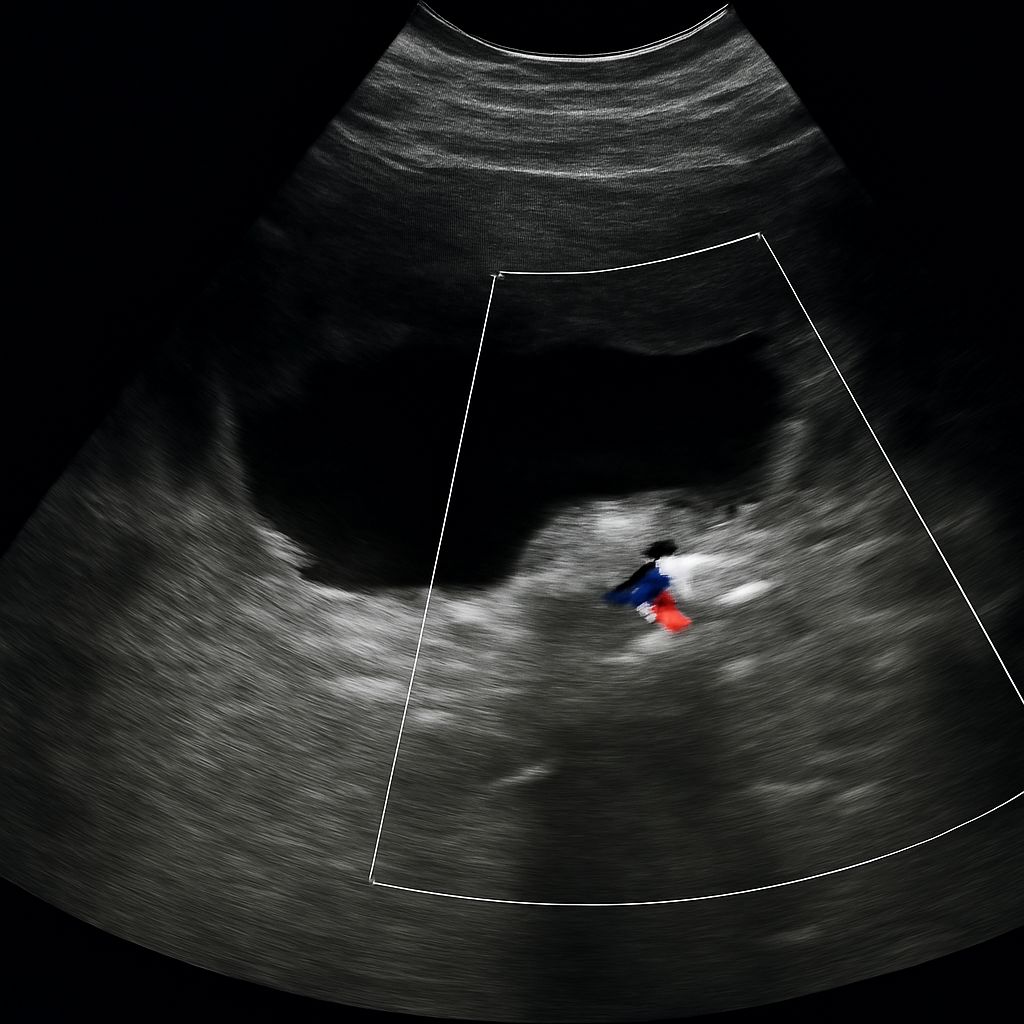
Understanding Abnormal Ultrasound Results for Kidneys
Kidney health is a vital aspect of overall well-being, yet many individuals remain unaware of the implications of abnormal ultrasound results for kidneys. As a non-invasive imaging technique, ultrasound provides critical insights into kidney anatomy and function. Understanding what kidney stones look like on an ultrasound and recognizing abnormal kidney ultrasound images can guide timely medical intervention and promote better health outcomes.
This article delves into common kidney ultrasound findings, offering insights into the interpretation of both normal and abnormal images. By demystifying the process, individuals can better understand their ultrasound results and make informed decisions about their health care.
Introduction to Abnormal Ultrasound Findings
Ultrasounds are a cornerstone of diagnostic imaging, used frequently to assess kidney structure and function. An ultrasound can reveal abnormalities that may not be detectable through other diagnostic methods. Abnormal kidney ultrasound images can indicate a range of conditions, from benign cysts to serious obstructions.
Through the use of high-frequency sound waves, ultrasounds generate real-time images of the kidneys, helping identify abnormalities such as kidney stones, tumors, or infections. By differentiating normal and abnormal kidney ultrasound images, healthcare providers can pinpoint specific issues and recommend appropriate treatment plans.
Common Kidney Ultrasound Findings
Kidney ultrasound findings typically focus on evaluating the size, shape, and texture of the kidneys. Normal findings often show kidneys that are symmetrical and have a smooth surface. However, deviations from these norms can signal various health issues.
Common abnormal findings include hydronephrosis, which is the swelling of a kidney due to a build-up of urine, and the presence of kidney stones, which appear as bright white spots. Other findings might include the detection of cysts, which typically present as fluid-filled sacs that appear darker on the image.
In addition to these, the detection of abnormalities in blood flow through Doppler ultrasound can reveal issues such as renal artery stenosis, a condition that can lead to high blood pressure and kidney damage.
What Do Kidney Stones Look Like on an Ultrasound?
Kidney stones are a common finding in ultrasound imaging, characterized by their distinctive appearance. On an ultrasound, kidney stones usually appear as echogenic (bright white) spots with posterior acoustic shadowing, indicating their solid nature.
The appearance of kidney stones can vary in size and shape, often reflecting their composition. Stones may range from small grains of sand to larger, more painful formations. Despite their varied appearance, all stones share the common feature of strong sound reflection, making them relatively easy to identify during an ultrasound examination.
Understanding what kidney stones look like on an ultrasound is crucial for both diagnosis and the treatment planning process. Early detection allows for a broader range of treatment options, potentially avoiding more invasive surgical procedures.
Differentiating Normal and Abnormal Kidney Ultrasound Images
Interpreting kidney ultrasound images requires a keen eye and an understanding of what constitutes normal versus abnormal findings. Normal kidney ultrasound images typically display well-defined kidney outlines, consistent textures, and unremarkable internal structures.
Conversely, abnormal ultrasound results for kidneys may show irregular shapes, unusual textures, or the presence of foreign bodies such as stones or tumors. Radiologists assess these factors alongside patient history and symptoms to provide a comprehensive diagnostic picture.
While the presence of abnormalities such as stones or cysts can be concerning, not all findings necessitate immediate treatment. Some conditions may be monitored over time to assess progression or response to lifestyle changes.
Conclusion
Understanding and interpreting kidney ultrasound findings is essential for identifying potential health issues and formulating effective treatment plans. Recognizing what kidney stones look like on an ultrasound, as well as other abnormal kidney ultrasound images, empowers patients and healthcare providers to make informed decisions.
By differentiating between normal and abnormal images, patients can better comprehend their health status and seek timely medical advice. Regular monitoring and professional consultation remain key components in maintaining kidney health and preventing complications.
Safety Recap: When interpreting kidney ultrasounds or considering treatment options, always consult with a healthcare professional to ensure the accuracy of findings and the appropriateness of interventions. Regular follow-ups and adherence to medical advice are crucial for optimal kidney health management.