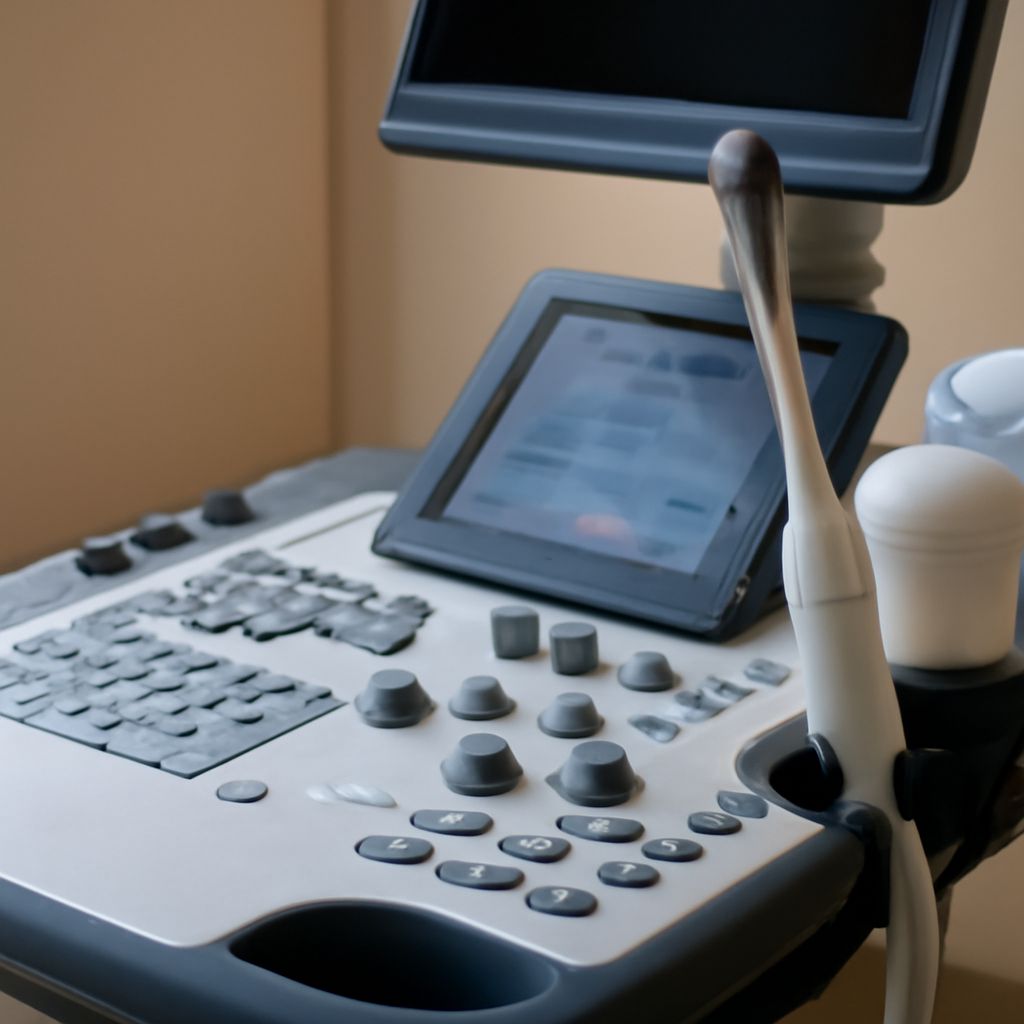
Cost of an Ultrasound: What to Expect at the Billing Window
Medical imaging bills surprise patients more often than almost any other healthcare expense, because the same scan can cost $150 at one facility and $1,500 at another — for the identical procedure. The cost of an ultrasound depends on the body area being imaged, whether you have insurance, which facility you choose, and what your plan’s specific coverage rules are. Understanding those variables before you schedule gives you real options for managing the expense.
This article covers how ultrasound and MRI pricing works from a billing perspective, breaks down the cost of abdominal ultrasound specifically, summarizes the average cost of ultrasound across common scan types, puts the cost of a MRI scan in context relative to ultrasound, and gives you concrete strategies for reducing what you actually pay. Knowing the average cost of an ultrasound before your appointment keeps you from being blindsided by a bill you weren’t expecting.
How Ultrasound Pricing Works
Why Prices Vary So Much Ultrasound pricing is set by the facility’s chargemaster — an internal price list that has little relationship to what most patients actually pay. Hospitals use CPT codes to bill insurers, and each code carries a different relative value unit that determines the charge. The complexity of the scan (a basic single-organ study vs. a comprehensive obstetric anatomy scan), the technologist’s credentials, and the cost of a radiologist’s interpretive report all factor into the total charge.
Geographic market also drives ultrasound pricing significantly. The same abdominal ultrasound study that costs $300 at an imaging center in a mid-size Midwestern city might bill at $900 at an academic medical center in a major coastal metro, even with equivalent equipment and technologist skill.
Self-Pay vs. Insured Rates
Uninsured patients who pay out of pocket are often quoted the full chargemaster rate — the highest possible price. However, most facilities offer self-pay discounts of 30–60% if you ask before the procedure. Some facilities have a flat self-pay rate for common ultrasound scans that is well below the chargemaster figure. For insured patients, your cost is the negotiated contracted rate minus whatever your plan applies — deductible, co-insurance, or co-pay. Always call the billing department before your scan and ask for the expected out-of-pocket total for your specific CPT code under your plan.
Cost of an Abdominal Ultrasound
What the Procedure Covers
An abdominal ultrasound evaluates organs in the upper abdomen — liver, gallbladder, bile ducts, pancreas, spleen, and kidneys. It’s ordered to investigate right upper quadrant pain, elevated liver enzymes, suspected gallstones, or kidney abnormalities. The study requires no radiation and typically takes 30–60 minutes. A radiologist reviews the images and issues a formal report, which is billed separately from the technical component (the scan itself).
Typical Price Ranges
Cost of abdominal ultrasound typically runs:
- Free-standing imaging center: $200–$400 total (technical + professional interpretation)
- Hospital outpatient department: $400–$900 or more
- Self-pay at an independent imaging center: Often $150–$300 with a pre-negotiated cash rate
If your doctor orders both a complete abdominal ultrasound and a pelvic ultrasound, CPT codes for each are billed separately, which can significantly increase the total charge.
Average Cost of Ultrasound by Body Area
The average cost of ultrasound varies substantially by which part of the body is being examined:
- Obstetric (pregnancy) ultrasound: $200–$500 for a standard anatomy scan; 3D/4D scans at specialty centers run $100–$300 out of pocket if not covered.
- Pelvic ultrasound: $250–$550 at most imaging centers.
- Thyroid ultrasound: $200–$450.
- Breast ultrasound: $150–$400 as a standalone study; often added to mammography.
- Echocardiogram (cardiac ultrasound): $1,000–$3,000, as it includes extended interpretation time from a cardiologist.
- Vascular duplex ultrasound: $300–$800 depending on vessels studied.
The average cost of an ultrasound across all types, excluding echocardiography, falls in the $250–$500 range at typical outpatient imaging centers, based on aggregate health pricing data.
Cost of an MRI Scan Compared to Ultrasound
The cost of a MRI scan runs substantially higher than ultrasound in almost every scenario. A standard MRI without contrast for a single body region (knee, lumbar spine, brain) typically costs $400–$1,200 at an independent imaging center and $1,500–$3,500 at a hospital outpatient department. MRI with intravenous gadolinium contrast adds $300–$700 to the base cost. Cardiac MRI and functional brain MRI studies, which require extended scan time and specialized analysis, regularly exceed $4,000 at hospital facilities.
MRI is chosen over ultrasound when soft-tissue differentiation, bone marrow assessment, or brain/spinal cord detail is the clinical priority — not because it’s cheaper, but because it produces information ultrasound cannot. For abdominal evaluation of the gallbladder and kidneys, ultrasound remains the first-line imaging choice and is dramatically less expensive. When your provider orders an MRI where ultrasound might be sufficient, it’s reasonable to ask whether the additional cost is clinically justified for your specific situation.
How to Reduce Your Out-of-Pocket Imaging Costs
Several strategies meaningfully lower what you pay for ultrasound and MRI imaging:
- Choose an independent imaging center over a hospital outpatient facility. Prices are consistently lower by 50–70% for identical scans.
- Request the self-pay or cash rate before scheduling. Many facilities have a separate, lower cash price that isn’t automatically quoted.
- Use price transparency tools — Medicare’s procedure price lookup, your insurer’s cost estimator, and platforms like Healthcare Bluebook publish facility-specific pricing.
- Time the scan relative to your deductible. If you’ve already met your annual deductible, scheduling before year-end may cost less than waiting.
- Verify orders before scheduling. Confirm your insurer pre-authorizes the specific CPT code ordered, not just “ultrasound” generically.
Bottom line: Ultrasound imaging is one of the most affordable diagnostic tools in medicine, but only if you shop across facility types and ask direct questions about pricing before your appointment. The difference between a hospital outpatient bill and an independent imaging center bill for the same scan can exceed $500 — money you keep by making one phone call.