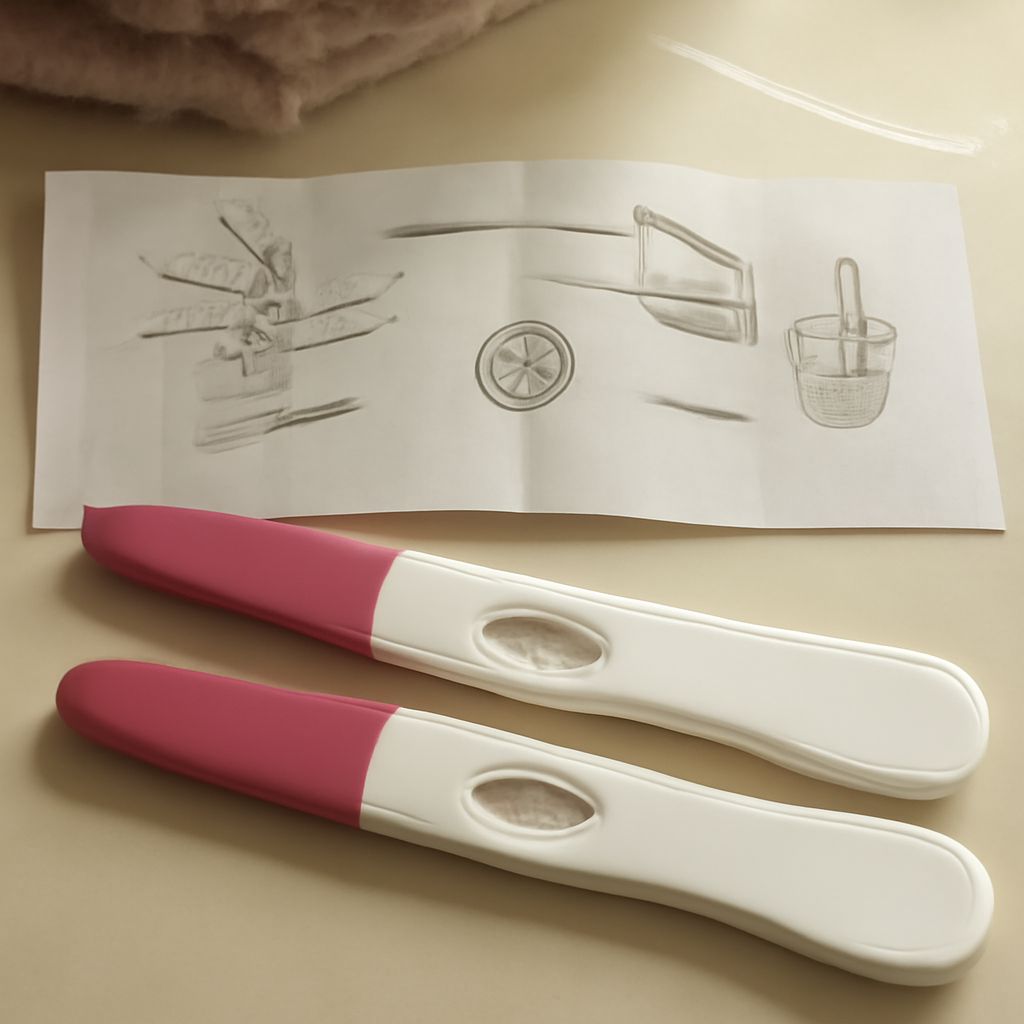
Positive Pregnancy Test: What to Know and Next Steps
Facing a possible pregnancy can spark a whirlwind of questions and emotions. When you see a positive pregnancy test, it’s natural to wonder what that truly means, how reliable the result is, and what steps to take next. Understanding when is the best time to take a pregnancy test and how soon will a pregnancy test read positive plays a crucial role in getting results you can trust.
The most accurate pregnancy test methods hinge on both timing and technique. Whether you’re testing at home or considering a follow-up with a healthcare provider, knowing the ins and outs of how pregnancy tests work helps ensure you make informed health choices. Below, we break down the key factors and next steps following a positive result, so you feel confident and prepared from the very beginning.
Understanding a Positive Pregnancy Test
A positive pregnancy test detects the presence of human chorionic gonadotropin (hCG), a hormone that the body produces shortly after a fertilized egg implants in the uterine lining. Most home tests are designed to pick up even low levels of this hormone, signaling early pregnancy. However, levels of hCG can vary greatly from one person to another, influencing how quickly a test will show a positive indication.
Laboratory-based assessments rely on measuring hCG concentrations in blood or urine. While at-home kits are convenient, clinical tests performed under professional standards often confirm results with higher sensitivity. This difference is why some individuals receive a faint line or a “pregnant” reading on a home device but need a healthcare provider to verify the outcome with quantitative laboratory diagnostics.
It’s important to recognize that, despite high reliability, false positives and negatives can occur under certain circumstances. Medications, improper DIY testing procedures, or underlying medical conditions can affect the detection of hCG and therefore influence test interpretations. Following package instructions closely or seeking expert guidance can minimize errors and boost confidence in your result.
How Soon Will a Pregnancy Test Read Positive?
One of the most common concerns is how early you can expect a pregnancy test to reveal a positive result. Generally, the majority of tests will return an accurate readout about two weeks after conception, or roughly the time of a missed menstrual period. The process of hCG building up in the body is key to when a test will reliably detect pregnancy.
Some highly sensitive options can pick up hCG just 10-12 days after ovulation, though this varies based on the brand and the individual’s hormone levels. For those conducting a do-it-yourself test too soon, there’s a risk of not having enough hormone present, leading to a misleading negative response. Waiting until at least the first day of a missed period is usually recommended for obtaining dependable outcomes.
Repeated testing can sometimes be necessary, especially if initial attempts are inconclusive. If your first test is negative but you suspect you may be pregnant, experts often advise waiting a few days and trying again, as hCG levels double every 48-72 hours during early pregnancy. This natural progression ensures that subsequent tests are more likely to show a definitive positive result when appropriate.
When Is the Best Time to Take a Pregnancy Test?
The timing of your test can dramatically impact whether you receive a trustworthy answer. For the most precise results, many professionals recommend using the first morning urine, which is typically more concentrated and contains higher hCG levels. This simple adjustment can increase the odds of an accurate early reading, especially when using tests designed for do-it-yourself home use.
Understanding your own cycle is equally vital. If your periods are regular, count from the expected start of your next period to determine the optimal testing window. For those with irregular cycles, waiting at least 21 days after potential conception can enhance the likelihood of capturing a true positive, reducing the risk of a false negative due to late ovulation or implantation.
It’s best practice to avoid excessive fluid intake before testing, as diluted urine can decrease hCG concentration and obscure the results. Those who have already missed a period and continue to receive ambiguous outcomes should consult with a healthcare provider for more advanced testing, as professional evaluations often provide clarity when home-based methods are inconclusive.
Choosing the Most Accurate Pregnancy Test
With a wide array of testing products available, selecting the most accurate pregnancy test can feel daunting. Digital tests, early detection strips, and lab-based assessments all offer distinct benefits. Digital options often remove the ambiguity of faint lines, while laboratory analysis conducted by professionals delivers the highest possible sensitivity and specificity.
Reading reviews and understanding the sensitivity rating (often indicated by the lowest detectable hCG threshold) can help you identify which tests are most effective for early detection. For those who prioritize DIY convenience, opting for tests with proven track records and clear instructions is essential. Regardless of which method you choose, adhering to manufacturer guidelines remains one of the cornerstones of securing a genuine, reliable result.
Laboratory confirmation is recommended for anyone needing official documentation or facing inconsistent at-home results. Medical professionals employ gold-standard testing protocols, which provide peace of mind and ensure your results are interpreted with clinical expertise. This approach aligns with best practices in reproductive healthcare, supporting individuals through crucial early stages of pregnancy awareness.
What to Do After a Positive Result
Receiving a positive test result is a significant moment, but it’s just the start of your next steps. Scheduling an appointment with a medical provider ensures proper follow-up, allowing for confirmation via blood tests, early screening for potential complications, and essential health advice tailored to your situation. Early prenatal care maximizes the chances of a healthy pregnancy and addresses any personal or family medical history that may influence care needs.
Consider preparing a list of questions ahead of your first appointment, including inquiries about lifestyle adjustments, recommended supplements, and what to expect in the coming weeks. Keeping track of symptoms and sharing any concerns during your visit helps your care provider support you more effectively. These proactive steps empower you to make informed decisions about your reproductive health journey.
Some individuals may face unexpected feelings or circumstances following a positive result. Accessing counseling or support services can help you process new information and plan accordingly. Remember that every pregnancy journey is unique, and seeking appropriate resources is a mark of strength and responsibility.
Bottom line: The timing and method of pregnancy testing are crucial for obtaining clear, reliable answers. By understanding how pregnancy tests work and following professional best practices, you can navigate early pregnancy with greater confidence and clarity. Take the next steps at your own pace and seek support from trusted healthcare professionals to ensure the best outcomes.