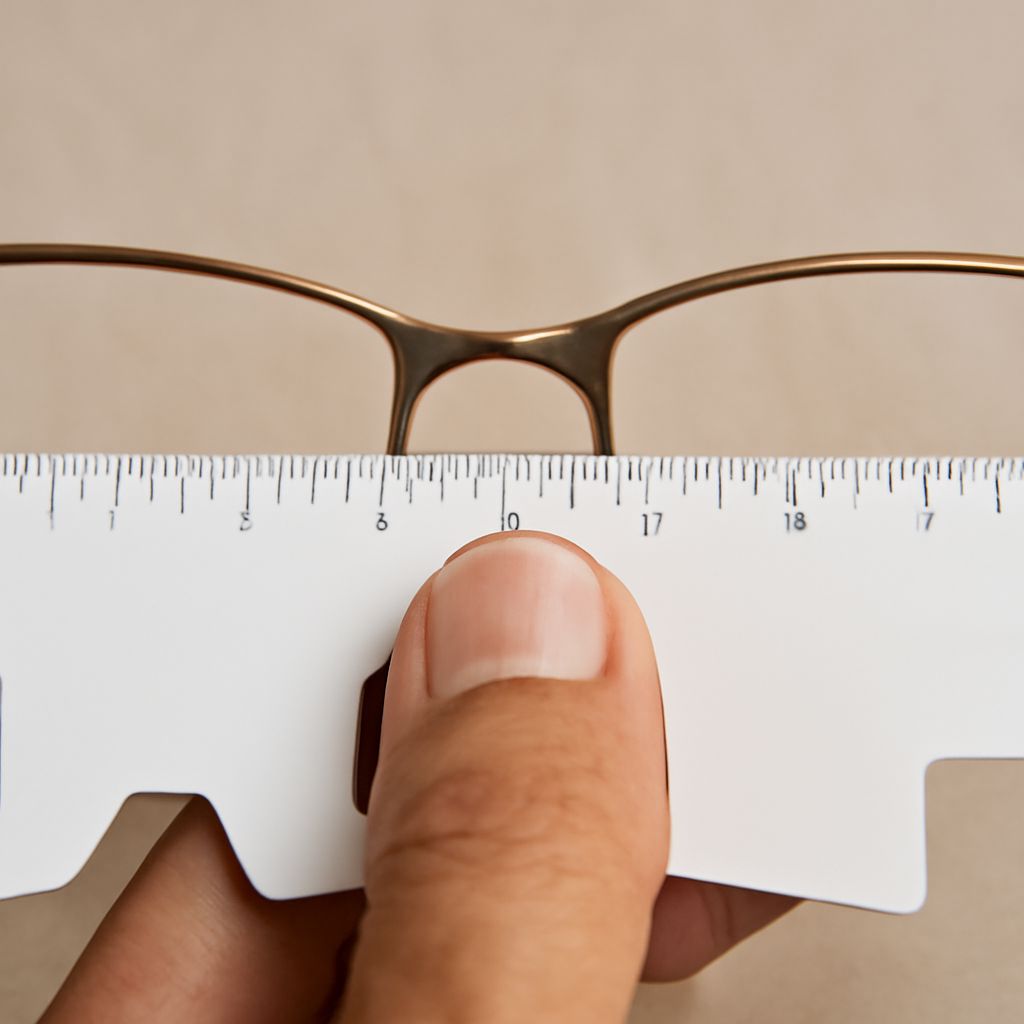
How to Measure Pupillary Distance: A Complete Guide
Finding the right pair of glasses involves more than just style and prescription; it demands precision in how they fit your eyes. A critical aspect of this precision is the pupillary distance (PD), the measure between your pupils that ensures optimal lens alignment. Using a pupillary distance ruler is essential to ascertain this measurement, ensuring your spectacles not only fit comfortably but also function effectively. So, what exactly are PD glasses, and how can you measure your PD accurately?
Understanding What Is PD in Glasses
The term PD in glasses refers to the distance between the centers of your pupils in millimeters. This measurement is crucial for aligning lenses correctly with your eyes. A precise PD ensures that the optical center of the lenses aligns perfectly with your line of sight, which is essential for clear vision.
When a pair of glasses is made, the lens manufacturer needs this measurement to customize lenses that cater to your unique optical requirements. PD can vary from person to person and even between each eye, making it a personalized measure that should not be overlooked.
Accurate PD measurement is not just for those who wear glasses; it’s equally important for users of VR headsets and binoculars, where lens alignment is critical for an immersive experience.
Why Pupillary Distance Matters
Correctly measuring your pupillary distance is vital for ensuring the effectiveness of your glasses. When PD is accurately measured, it minimizes the risk of eye strain and ensures optimal vision correction. For individuals with high prescription strengths, an incorrect PD can lead to discomfort and headaches.
Furthermore, knowing your PD helps when ordering glasses online, providing assurance that the lenses will be aligned accurately. By understanding the significance of PD, you empower yourself to achieve better visual clarity and comfort.
In essence, the importance of PD measurement lies in its role in enhancing visual performance and comfort, ensuring that any corrective eyewear you choose serves its intended purpose.
Tools You Need: The Pupillary Distance Ruler
To measure PD accurately, a reliable pupillary distance ruler is indispensable. This tool is designed specifically for measuring the distance between your pupils in a straightforward manner. While it might be tempting to use a regular ruler, a PD ruler ensures greater accuracy.
Some people prefer digital PD measuring apps, but a manual PD ruler remains a trusted choice for precision. It’s simple, effective, and used widely by optometrists and eyewear specialists worldwide.
For those measuring at home, ensure you have a well-lit mirror to aid visibility, and consider enlisting a friend’s help for more accurate results.
Step-by-Step Guide on How to Measure Your PD
Measuring your PD is a simple process if you follow these steps. First, stand about 8 inches away from a mirror and hold the pupillary distance ruler across the bridge of your nose. Align the zero mark with the center of one pupil.
Next, look straight ahead and mark the millimeter line that aligns with the center of your other pupil. This measurement is your PD. Repeat the process a few times to ensure consistency.
If you need another method, have a friend measure your PD by having them stand in front of you and aligning the ruler in the same manner while you look directly at them.
Common Mistakes and How to Avoid Them
One common mistake when measuring PD is using a standard ruler, which lacks the necessary precision. Always opt for a dedicated PD ruler to ensure accuracy. Another error is measuring at an angle; ensure the ruler is straight and level across your face.
Also, avoid measuring your PD when your eyes are tired, as this can affect your ability to focus and lead to incorrect measurements. Take breaks and ensure you have adequate lighting when measuring.
Finally, double-check your measurements several times to account for any minor discrepancies. Consistency in your results is key to ensuring your glasses will be made perfectly.
Safety Recap: When using any tools to measure your PD, ensure you handle them safely and follow instructions carefully. Proper lighting and posture will aid in achieving accurate results while mitigating any potential strain or error.