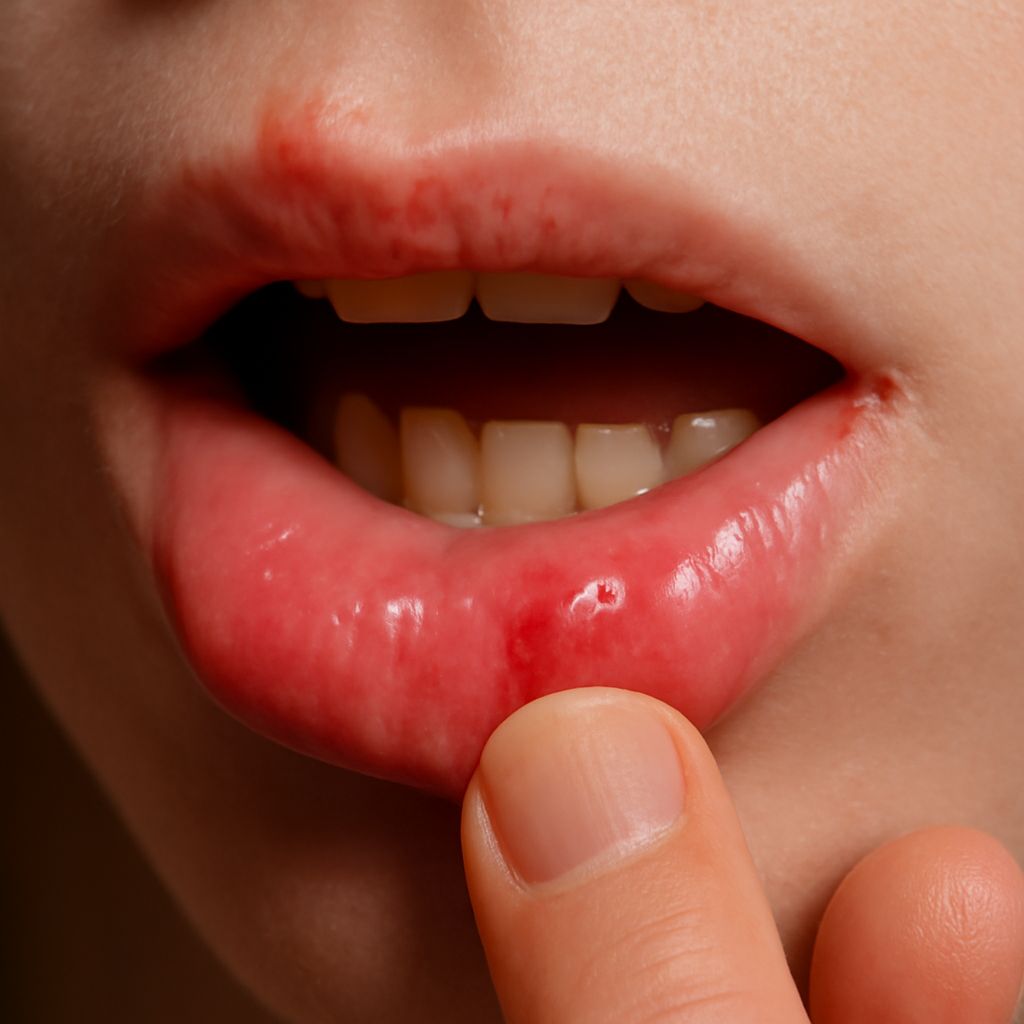
Understanding Oral Mucocele: Causes and Treatments
Oral mucoceles, often appearing as fluid-filled bumps inside the lip, are a common concern for many individuals. These benign lesions can cause discomfort and interfere with daily activities such as eating and speaking. Fortunately, understanding the underlying causes and available treatments can help manage this condition effectively. In this article, we will explore the causes and symptoms of mucocele lip, as well as provide insights into prevention and treatment options.
What is a Mucocele?
A mucocele is a type of cyst that forms when a salivary gland duct is blocked or damaged. This blockage leads to the accumulation of mucus, resulting in a swelling that can occur on the inner lip, roof of the mouth, or floor of the mouth. While these cysts are generally harmless, they can cause discomfort and may require treatment if persistent.
Causes of Oral Mucocele
The primary cause of an oral mucocele is the rupture or obstruction of a salivary gland duct. This can occur due to accidental biting of the lip, trauma, or habits such as lip sucking. Repeated incidents can exacerbate the formation of these cysts. Additionally, underlying conditions that affect salivary glands may contribute to their development.
Trauma to the mouth, such as biting the lip or cheek, is a frequent trigger for mucocele formation. These actions can damage the salivary ducts, leading to mucus buildup. Likewise, habitual behaviors like chewing on the lip can increase the likelihood of developing a mucocele.
Other potential causes include poor oral hygiene and certain dental appliances that may irritate the mouth’s soft tissues, leading to duct obstruction and mucocele formation. It’s essential to recognize these contributing factors to effectively prevent and manage the condition.
Symptoms of Mucocele Lip
Typical symptoms of a mucocele include a soft, painless bump inside the lip. This bump may vary in size and can be translucent or bluish in color. Though usually not painful, the presence of a mucocele can cause a sensation of discomfort or fullness in the mouth.
In some cases, mucoceles can become large and interfere with normal oral functions, such as speaking and eating. They may also periodically rupture and recur, leading to a cycle of irritation and swelling.
It is crucial to monitor the symptoms and seek professional advice if the mucocele persists or becomes bothersome. Early diagnosis can prevent potential complications and ensure appropriate management.
Treatment Options for Mucocele
Treatment for mucoceles often depends on their size and location. In many instances, small mucoceles may resolve on their own without intervention. However, persistent or large cysts may require medical treatment to alleviate discomfort and prevent recurrence.
Professional treatment options include surgical removal, where the mucocele is excised to prevent further buildup of mucus. This procedure is usually conducted under local anesthesia and has a high success rate.
Another common method is marsupialization, which involves creating a small opening to allow continuous drainage of the mucus. This technique can be effective for reducing the size of the mucocele and minimizing recurrence.
For individuals seeking non-invasive treatments, laser therapy is a viable option. This approach uses focused light to remove the mucocele, offering a quick recovery time and minimal discomfort.
Prevention Tips for Mucocele
Preventing mucoceles largely involves reducing the risk of trauma to the oral cavity. Practicing good oral hygiene and avoiding habits like lip biting can significantly decrease the chances of developing these cysts.
- Avoid biting or chewing on the lips and cheeks.
- Maintain proper oral hygiene to prevent infections and irritation.
- Use dental appliances that fit well to avoid unnecessary pressure on the mouth’s soft tissues.
Regular dental check-ups can also help in identifying any issues that might predispose one to mucocele formation, allowing for timely intervention and management.
Pro tips recap: Understanding the causes and symptoms of mucoceles can help in their effective management. Prioritize good oral hygiene and avoid habits that lead to mouth trauma. Seek professional advice for persistent cases to explore the most suitable treatment options.