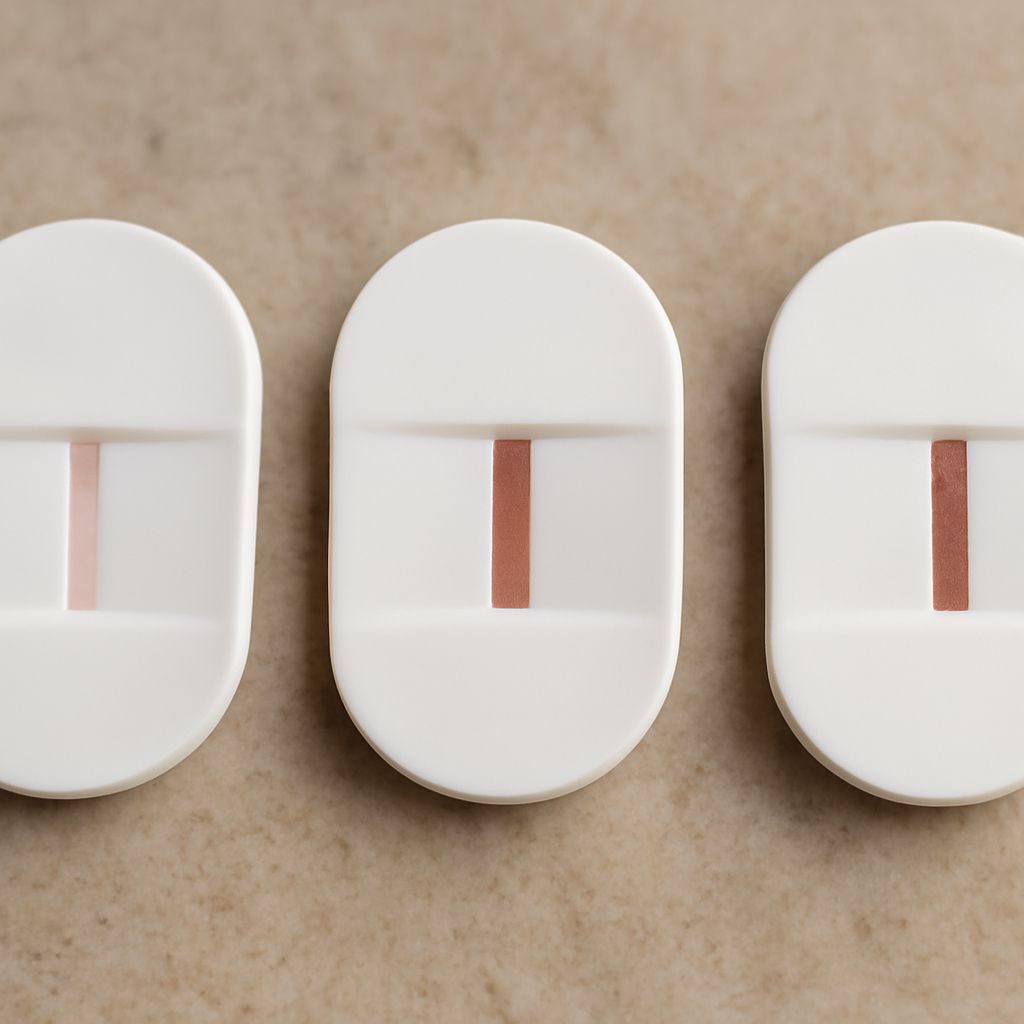
Faint Line on Pregnancy Test: Understanding the Results
Discovering a faint line on a pregnancy test can be a moment filled with mixed emotions and uncertainty. A faint positive result can leave you questioning the accuracy of the test and what steps to take next. In this article, we will delve into what a faint line on a pregnancy test might mean, reasons behind faint positive results, and guide you through interpreting these lines accurately. Whether you’re eagerly anticipating an early pregnancy confirmation or seeking clarity on test results, understanding the nuances can aid in making informed decisions.
What Does a Faint Line on a Pregnancy Test Mean?
A faint line on a pregnancy test often suggests a positive result, indicating the presence of the pregnancy hormone, human chorionic gonadotropin (hCG), in your urine. However, the faintness of the line can be perplexing. Typically, the line’s visibility correlates with the concentration of hCG, which can vary depending on how early the test is taken. In the early stages of pregnancy, hCG levels might be lower, resulting in a faint line.
While it generally indicates a positive result, a faint line might also occur due to evaporation or improper test handling. This is why understanding the context and instructions of the pregnancy test is essential for accurate interpretation.
Reasons for a Faint Positive Pregnancy Test
One reason for a faint positive pregnancy test is testing too early. In the initial days following conception, hCG levels are still building up, leading to a less distinct line. Testing at a later date allows for more consistent hormone levels, creating a clearer result.
Another factor could be the dilution of urine. Consuming large amounts of fluid prior to testing can dilute hCG concentrations, making the pregnancy test line appear faint. Using the first morning urine, which is more concentrated, can provide a more reliable result.
Finally, varying sensitivities among different pregnancy test brands can result in a faint positive. Lower sensitivity tests require higher hCG levels for a prominent line, hence choosing tests with higher sensitivity can offer earlier detection of pregnancy.
How to Read Faint Pregnancy Test Lines Accurately
To accurately interpret faint pregnancy test lines, it’s essential to follow the manufacturer’s instructions carefully. These guidelines often include the optimal time to read the result, typically within a specific window after testing. Reading the result too late can lead to evaporation lines, which are not indicative of pregnancy.
Consider retesting a few days later if you receive a faint line. This allows time for hCG levels to increase, potentially resulting in a more definitive outcome. Using a digital test can also help avoid misinterpretation by providing a clear “pregnant” or “not pregnant” result.
Additionally, consulting a healthcare professional can offer further confirmation and peace of mind. They may suggest a blood test to measure the hCG concentration more precisely.
Next Steps After Getting a Faint Positive Result
Upon receiving a faint positive result, the first step is to confirm the result with a follow-up test after a few days. This helps to ascertain whether hCG levels are increasing as expected in early pregnancy.
Consulting with a healthcare provider is also recommended. They can provide professional guidance on prenatal care and necessary lifestyle changes. It is crucial for maintaining both maternal and fetal health during early pregnancy stages.
If a faint line remains a concern or if menstruation does not begin, seeking medical advice becomes important to rule out potential complications such as an ectopic pregnancy or hormonal imbalances.
Frequently Asked Questions About Faint Positives
When encountering faint positive results, many have questions about accuracy and next steps. A common query is whether a faint line always means pregnancy. While it often indicates pregnancy, repeated faint results or inconsistent readings might warrant further investigation.
Another frequent inquiry involves the possibility of false positives. Although rare, factors such as expired tests or specific medications can sometimes result in false positives. Ensuring the test’s validity and understanding medication effects can prevent such issues.
Lastly, individuals may ask how lifestyle factors affect test results. While hydration levels can impact hCG concentration in urine, factors like diet or exercise typically do not alter test outcomes significantly.
Key takeaways: A faint line on a pregnancy test often suggests early pregnancy, but various factors can influence the result’s clarity. For assurance, consider retesting and consulting healthcare professionals. Understanding test limitations and proper use is key to interpreting results correctly.