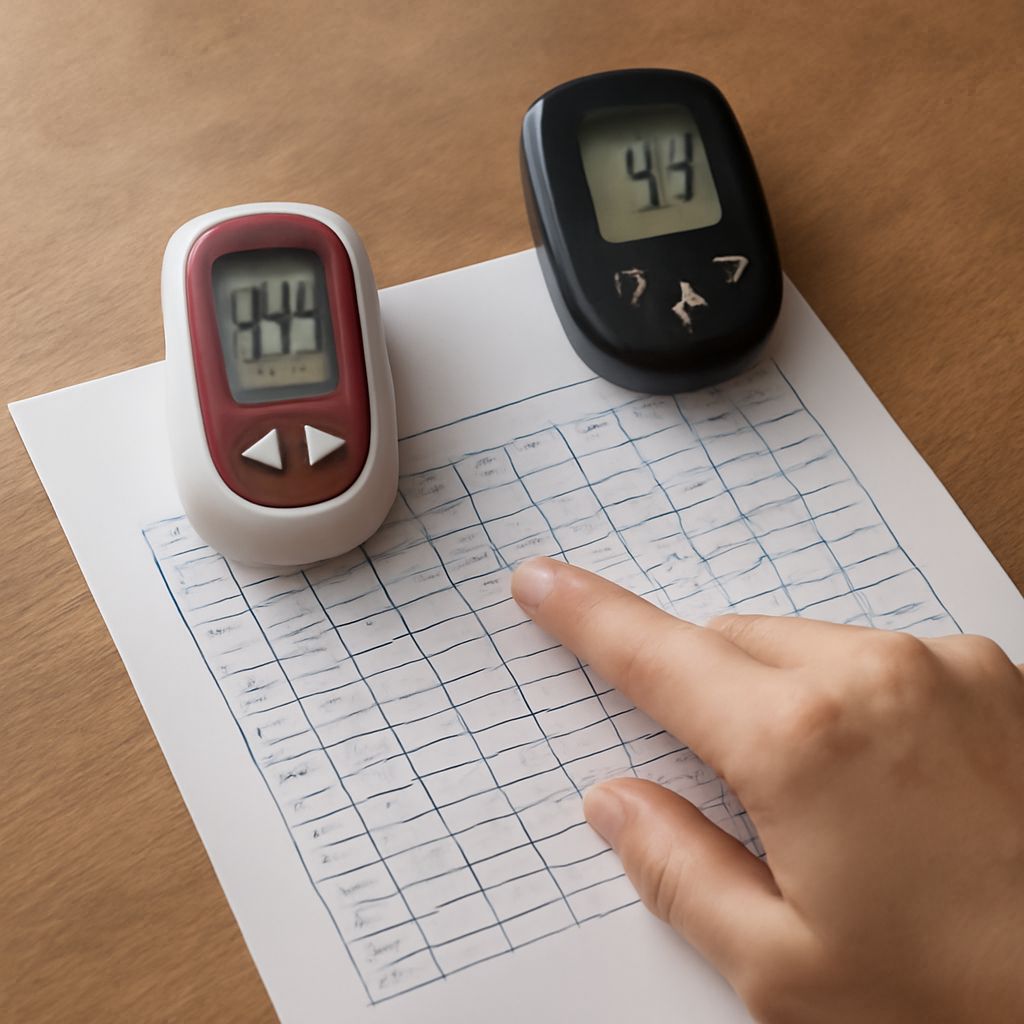
How to Read a Glucose Blood Test Report
Start with the test name, the number and its unit, and the reference interval printed beside it. A glucose test of blood captures a measurement at a particular time; whether the sample was taken after a fast or at another point in the day changes how that number is interpreted.
Blood test glucose: identify the measurement
In a blood test, glucose is the amount of sugar measured in the sample. The report may list it on its own or as part of a metabolic panel alongside other measurements. The collection date and time help identify which visit the result belongs to, especially when a portal shows several reports together.
A fasting plasma measurement is taken after at least eight hours without calories. A random measurement can be taken at any time. An oral glucose tolerance test involves drinking a measured glucose solution and having blood drawn at specified times; the timing beside each result matters. An A1C test is different: it estimates average blood glucose over roughly the previous three months and is reported as a percentage. NIDDK explains the differences among these tests.
If the report does not say whether the sample was fasting, the ordering clinician or laboratory can help identify the test. A person who ate before a test intended to be fasting should tell the care team; the fasting thresholds below may not apply to that sample. The clinician can decide whether a repeat test is needed.
Read the number, unit, and interval together
In the United States, glucose is commonly reported in milligrams per deciliter, written mg/dL. A report might show a result of 108 mg/dL beside a reference interval and a flag such as H for high. The flag indicates how the result compares with that laboratory’s interval; it is a prompt for interpretation, not a diagnosis.
Reference intervals describe values expected in a defined group of people. Laboratories can use different methods and intervals, so compare a result with the interval printed on the same report. An interval is also distinct from a diagnostic threshold and from an individual treatment target. A person already managing diabetes may have a target agreed with a clinician that serves a different purpose from the lab’s reference range.
For a fasting plasma sample in a person who is not pregnant, common values and diagnostic categories include:
- 70–99 mg/dL: a typical fasting range, according to MedlinePlus.
- 100–125 mg/dL: the prediabetes range.
- 126 mg/dL or above: the diabetes range.
A value below 70 mg/dL can be low; people with diabetes should follow their care team’s low-glucose plan rather than treat it as automatically normal.
For example, 108 mg/dL after the required fast falls in the prediabetes range. The same number on a random sample should not be classified using fasting cutoffs. Pregnancy can involve different tests and thresholds. Ask the prenatal care team which criteria apply. NIDDK’s diagnostic table separates fasting, random, tolerance, and A1C measurements.
What can change the reading?
A glucose lab test reflects conditions around collection. Food, recent illness, stress, and some medicines can affect the result. The report may not contain those details, so a short account of the hours before the draw can help the clinician interpret it. Note when the last meal or caloric drink was consumed, whether illness was present, and which medicines were taken.
For a planned fast, follow the instructions supplied by the ordering office. Water is generally allowed, but preparation can differ with the tests ordered. If a dose is due during the fasting period, ask the care team for instructions; do not stop or change a prescribed medicine on the strength of the report alone. MedlinePlus describes fasting preparation and what to do if a fast is interrupted.
A laboratory draw and a home meter also have different roles. A meter helps people monitor glucose as directed, while diagnosis requires appropriate laboratory testing. Results may vary from day to day, and the clinician considers symptoms, medical history, and other findings alongside the measurement.
What happens after a flagged result?
Glucose blood test results are a reason to review the circumstances of collection and the test’s purpose with the ordering clinician. For diagnosis, a second abnormal result is usually needed to confirm diabetes; the clinician may order repeat glucose testing or a different test. A random plasma value of 200 mg/dL or higher with classic symptoms is a separate diagnostic situation. The symptoms can include increased thirst, frequent urination, and unexplained weight loss. The NIDDK comparison for clinicians describes these confirmation rules.
A result in a diagnostic range does not itself prescribe treatment. The next step depends on confirmation, symptoms, health history, and whether diabetes is already being managed. Contact the ordering office promptly about a result flagged as critical or symptoms causing concern. Severe confusion, seizure, or loss of consciousness calls for emergency help; call 911.
Keep the report open and send the ordering clinician three details now: the test name and value, whether the sample was fasting, and any relevant symptoms. Ask whether the result needs confirmation and when to expect the next step.