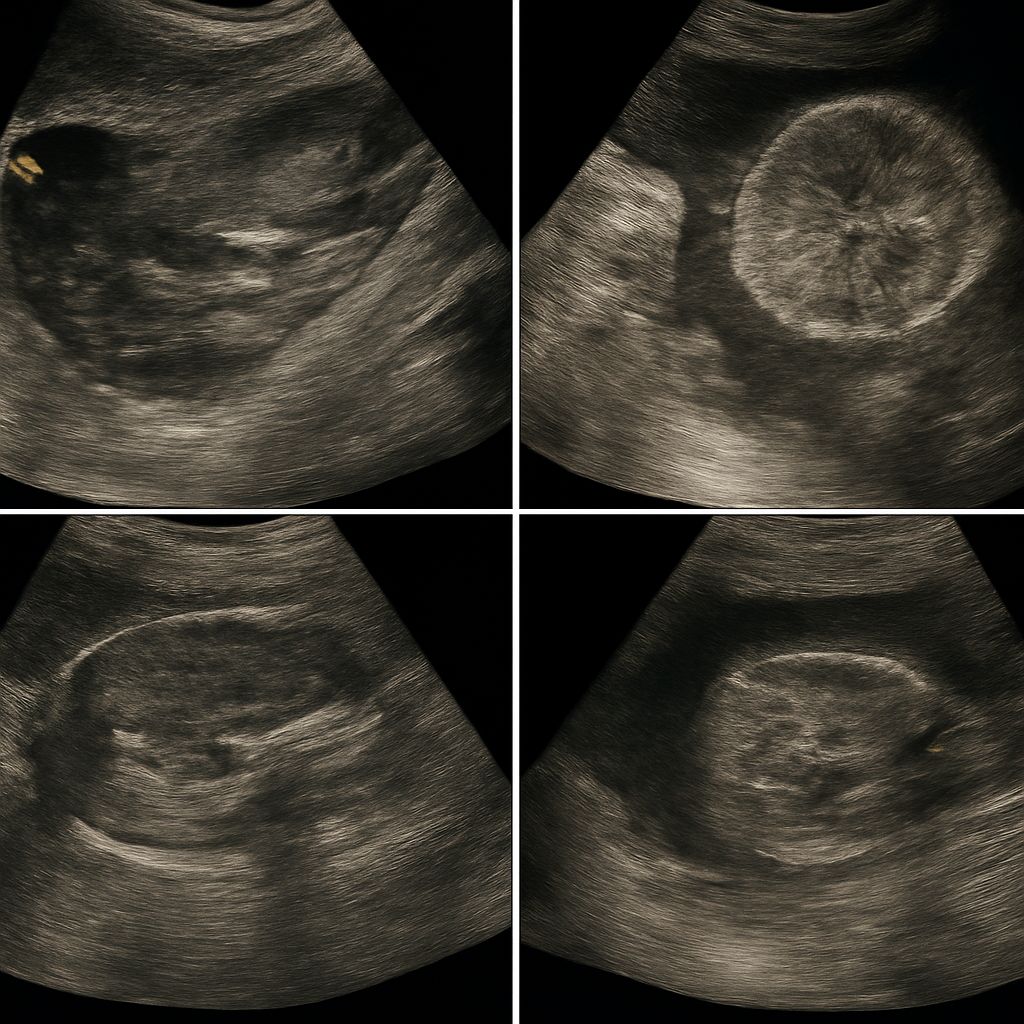
Understanding Abnormal Kidney Ultrasound
Kidney ultrasounds play a crucial role in modern medical diagnostics, offering a non-invasive method to evaluate kidney health. Yet, the term “abnormal kidney ultrasound” can be daunting for many. Understanding the differences between normal and abnormal kidney ultrasound results is essential for patients and healthcare professionals. By examining kidney ultrasound images, patients can gain clarity and confidence in the diagnostic process.
Introduction to Kidney Ultrasound
Kidney ultrasounds are a vital tool in assessing the health and function of the kidneys. This imaging technique uses sound waves to create detailed images of the kidneys, making it easier to spot potential issues without invasive procedures. Typically, a kidney ultrasound is used to diagnose various conditions, such as kidney stones, cysts, or tumors.
Normal vs Abnormal Kidney Ultrasound
The distinction between normal and abnormal kidney ultrasounds lies in the observed structures in the kidney images. A normal kidney ultrasound usually displays the kidneys’ typical size, shape, and volume, with no unusual masses or lesions. In contrast, an abnormal kidney ultrasound might reveal discrepancies in these aspects, pointing to potential health concerns that require further investigation.
Abnormalities in kidney ultrasound images might suggest the presence of fluid collections, irregular masses, or significant changes in kidney size. These findings can indicate underlying conditions such as polycystic kidney disease or hydronephrosis, warranting further medical evaluation.
Common Findings in Abnormal Kidney Ultrasound
Several common findings can arise in abnormal kidney ultrasounds. One of the most frequent is the detection of kidney stones, which are small, hard mineral deposits that can cause intense pain and urinary issues. Another typical abnormality is the presence of cysts, which are fluid-filled sacs that can form within or on the kidneys. Cysts are generally benign but may require monitoring if they grow or multiply.
Hydronephrosis, or the swelling of the kidney due to urine buildup, is another abnormal finding. This condition may result from blockages in the urinary tract and can lead to kidney damage if left untreated. Additionally, the presence of tumors or unusual masses may be identified, necessitating further tests to determine their nature and potential malignancy.
Finally, changes in the kidney’s size or structure can be a sign of chronic kidney disease, an ailment that progressively impairs kidney function over time. Recognizing these variances in kidney ultrasound results is vital for accurate diagnosis and treatment planning.
Interpreting Abnormal Kidney Ultrasound Results
Interpreting abnormal kidney ultrasound results requires a careful examination of the images and collaboration with healthcare professionals. Radiologists and nephrologists are trained to analyze the details in kidney ultrasound images, offering insights into the patient’s condition. They consider the size, location, and appearance of any abnormalities to provide a comprehensive diagnosis.
It’s important to understand that an abnormal kidney ultrasound does not always indicate a severe health issue. Many findings, such as small cysts, may be benign and merely require periodic observation. However, other results may necessitate immediate intervention to prevent further complications.
Effective communication between patients and their healthcare providers is crucial for understanding the implications of abnormal ultrasound findings and determining the appropriate next steps for treatment or monitoring.
The Role of Kidney Ultrasound Images
Kidney ultrasound images are invaluable in the diagnostic process, serving as a visual representation of kidney health. These images allow healthcare professionals to assess the internal structure and function of the kidneys without invasive techniques.
Through the examination of kidney ultrasound images, physicians can detect anomalies that might not be apparent through physical examination alone. The images help in identifying issues like abnormal fluid accumulation, irregular shapes, and other signs of distress within the kidneys.
By providing a clear picture of the kidneys’ status, ultrasound images aid in making informed decisions about treatment plans and monitoring strategies, ensuring that patients receive the best possible care tailored to their specific needs.
Conclusion
Understanding the nuances of abnormal kidney ultrasound results is fundamental for both patients and healthcare providers. Through careful analysis of kidney ultrasound images and collaboration with medical experts, it is possible to differentiate between benign and serious conditions effectively. As a vital part of kidney health diagnostics, ultrasounds empower patients with knowledge, promoting better health outcomes and peace of mind.