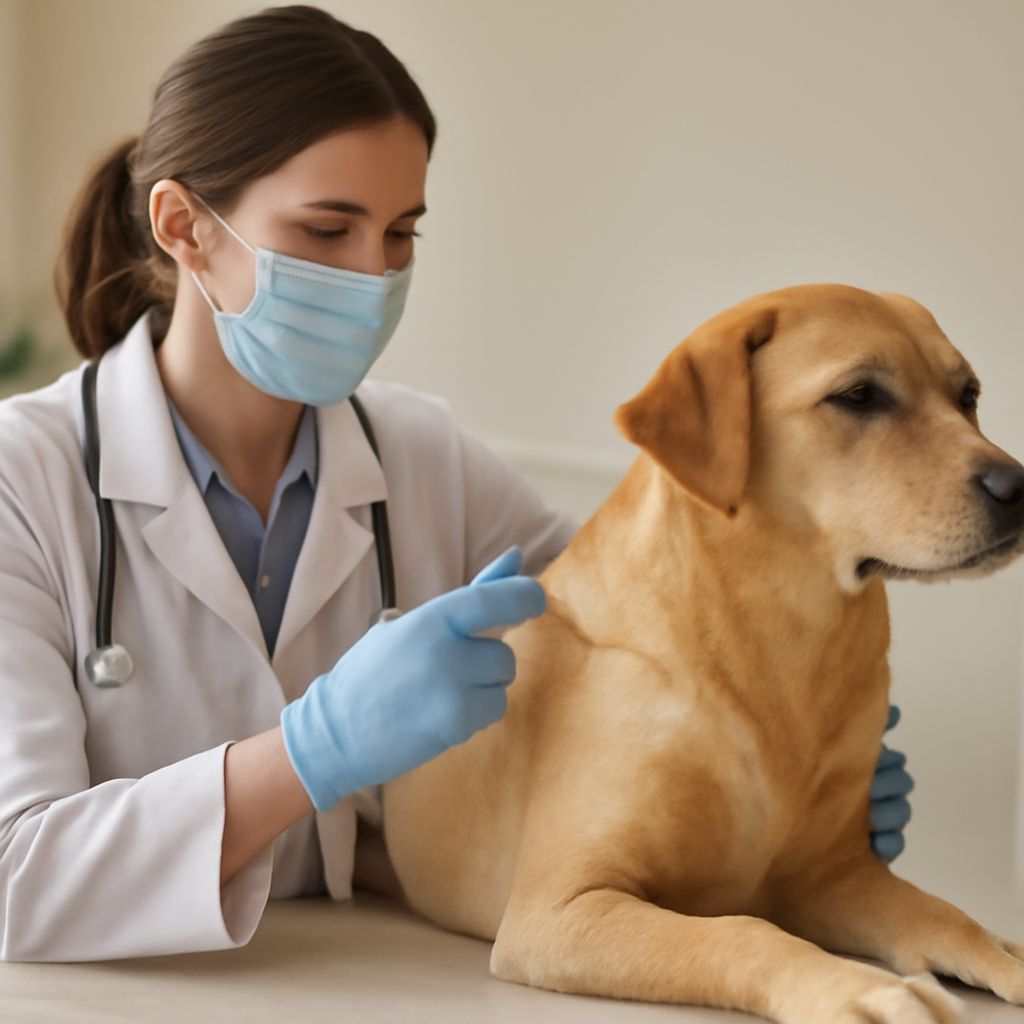
Rabies Vaccine Dogs: Essential Information for Pet Owners
Ensuring that your dog receives timely vaccinations is fundamental to their health and safety. One of the most critical vaccines for canines is the rabies vaccine, which protects against a deadly virus that can affect both animals and humans. Understanding the importance of the canine rabies vaccine, how long it lasts, and how often your dog should receive it can prevent exposure to this virus and ensure both your pet’s well-being and the safety of your community.
Many pet owners often wonder about the specifics of rabies vaccination. How long is the rabies vaccine good for, and how often should dogs receive the rabies vaccine? These questions highlight the need for clarity regarding the duration and frequency of vaccination, ensuring your pet remains protected throughout its life.
Understanding the Rabies Vaccine for Dogs
What is the Rabies Vaccine?
The rabies vaccine is a biological preparation that provides active acquired immunity to the rabies virus. It stimulates the dog’s immune system to recognize and fight off the virus effectively if exposed. This vaccine is pivotal in preventing the onset of rabies, a disease that can be fatal.
Why is the Rabies Vaccine Important for Dogs?
The importance of vaccinating dogs against rabies cannot be overstated. Rabies is a zoonotic disease, meaning it can easily be transmitted from animals to humans. Thus, vaccinating dogs helps in controlling the spread of this infectious disease. Additionally, many local and national regulations mandate rabies vaccinations for dogs, making it a legal requirement for responsible pet ownership.
How Long is the Rabies Vaccine Good For
Duration of Rabies Vaccine Effectiveness
Typically, the rabies vaccine can be effective for one to three years, depending on the type and brand of the vaccine used. Regular vaccination ensures that your dog remains immune to the virus, with the initial vaccine usually offering protection for about a year, and subsequent boosters extending that protection.
Factors Affecting Vaccine Duration
Several elements can influence how long the rabies vaccine remains effective. These include the dog’s age, health status, and the specific vaccine formulation. As dogs age, their immune systems may weaken, affecting how they respond to vaccinations and potentially altering the vaccine’s efficacy. Additionally, some brands of vaccines are designed to last longer, which can affect the interval between booster shots.
How Often Should Dogs Receive the Rabies Vaccine
Recommended Vaccination Schedule
Veterinary guidelines typically recommend that puppies receive their first rabies vaccination at around 12 to 16 weeks of age. Following the initial shot, a booster is usually required one year later. Thereafter, dogs generally receive booster vaccinations every one to three years, depending on the vaccine type and local regulations.
Adjustments Based on Health and Environment
While there is a standard schedule for rabies vaccinations, some dogs may require adjustments based on specific health conditions or environmental factors. Dogs with compromised immune systems or those residing in areas with high rabies incidence may need more frequent vaccinations. It’s crucial to consult with your veterinarian to tailor the vaccination schedule to your dog’s individual needs.
Comparing Rabies Vaccine Options
Types of Rabies Vaccines Available
Dog owners have a few options when it comes to rabies vaccines. Traditional killed-virus vaccines are common, while newer recombinant vaccines offer an alternative with different safety and efficacy profiles. Understanding the differences between these vaccine types can help you make an informed choice alongside your veterinary professional.
Choosing the Right Vaccine for Your Dog
Selecting the appropriate vaccine for your dog involves considering factors like the dog’s age, health status, and lifestyle. Some vaccines may be more suitable for younger or older dogs, or for those with specific health concerns. Engaging with a veterinarian can provide insight into which option best suits your pet’s needs, ensuring they receive optimal protection against rabies.
Key takeaways: Rabies vaccination is essential for canine health and public safety. Understanding the duration of vaccine effectiveness and how often to vaccinate helps maintain your dog’s protection. Consult with veterinarians for personalized advice tailored to your pet’s unique health requirements.