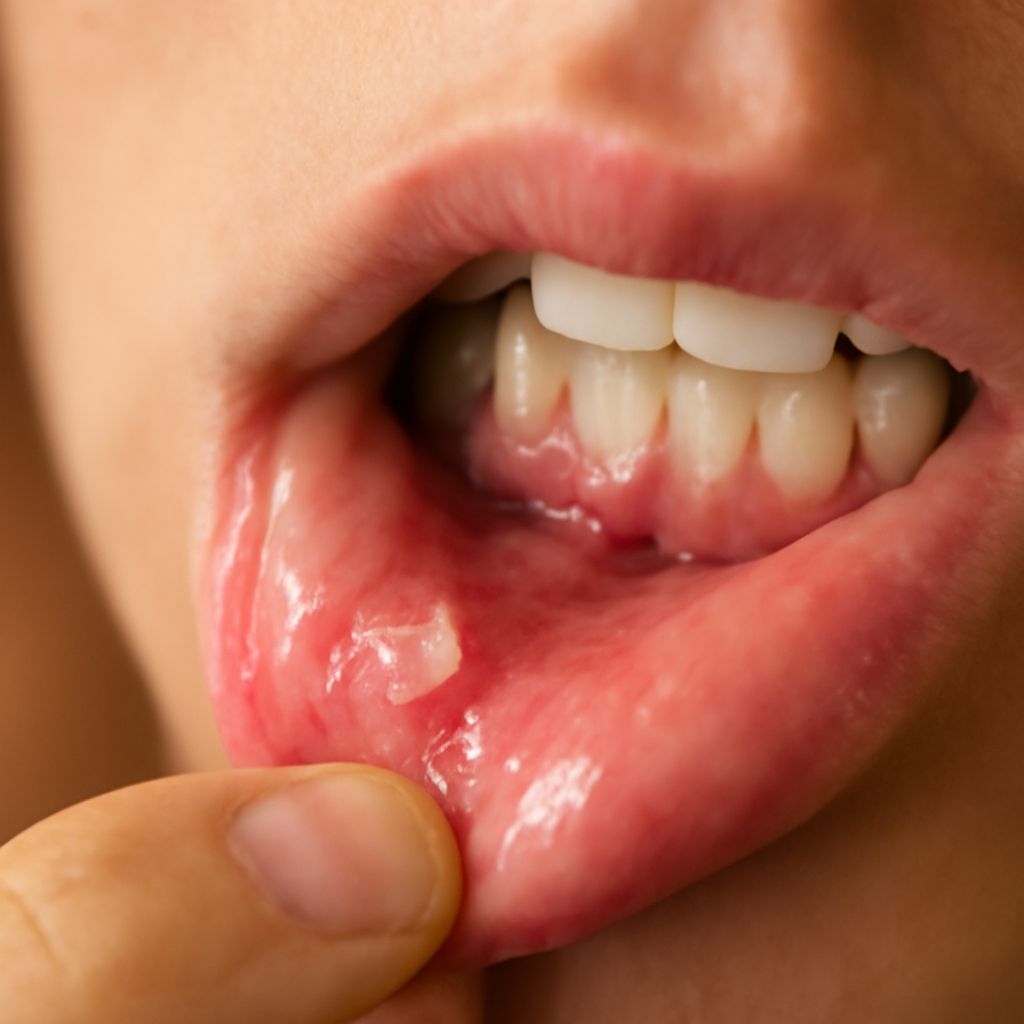
Swollen Gums: Causes, Symptoms, and Relief for Gum Pain
Swollen gums are a common yet uncomfortable oral health concern, often leaving people wondering, “Why do my gums hurt?” Discomfort in the gumline can be triggered by a range of causes, from mild irritation to more serious underlying issues. Identifying these causes is the first step toward effective gum pain relief and safeguarding your long-term dental health.
If you’ve been dealing with gum swelling, persistent soreness, or simply aching gums, you’re not alone. This article breaks down typical reasons why your gums hurt, highlights related symptoms, and offers actionable advice for managing swollen gums and improving your oral hygiene routine. Whether you’re searching for quick solutions or seeking to understand what your gum pain might indicate, the following sections provide practical, professional guidance—just like you might expect from a high-standard dental clinic.
Understanding Swollen Gums and Their Causes
Gum swelling is typically the body’s response to irritation, trauma, or infection in the mouth. Most frequently, plaque buildup along the gumline leads to inflammation, making the tissues red, puffy, and tender. When oral hygiene routines falter, bacteria thrive and can quickly result in gingival swelling.
However, the origins of swollen gums aren’t limited to missed brushing sessions. Physical irritation from rough brushing, improper flossing techniques, or poorly fitted dental appliances can also cause your gums to enlarge and feel sore. Hormonal changes—such as those experienced during pregnancy, puberty, or menopause—can heighten sensitivity and provoke gum tissue inflammation.
Dietary deficiencies, particularly a lack of vitamin C, are another factor in the development of puffy, irritated gums. Additionally, certain medications have side effects that include increasing gum size or tenderness. Understanding these various causes is crucial for preventing chronic gum discomfort and maintaining optimal oral health.
Practicing gentle oral care, avoiding harsh brushing, and regularly checking your gums for changes can minimize the risk of swelling. These preventive efforts underscore the importance of daily flossing and rinsing, habits that both reduce inflammation and discourage bacteria from accumulating in hard-to-reach spots.
Common Symptoms When Your Gums Hurt
Recognizing the signs of gum distress helps determine whether your gum pain is minor or indicative of a more significant issue. Swelling is often accompanied by redness and a feeling of heat in the gum tissue. You might notice your gums bleeding while brushing or flossing, which signals irritation or the early stages of gum disease.
In addition to visible enlargement, sensitivity to temperature changes or pressure is a frequent complaint. Everyday actions like eating, drinking, or simply touching the affected area may trigger discomfort. Sometimes, the pain is sharp and sudden; other times, it presents as a constant dull ache, making it difficult to concentrate on daily tasks.
Another symptom tied to swollen gums is persistent bad breath. When bacteria thrive below the gumline, they produce volatile compounds that result in unpleasant odors. Gum recession and the formation of small pockets between the teeth and gums can also occur, indicating the inflammation is progressing.
Being attentive to these clues—bleeding, soreness, sensitivity, and shifting gums—enables early intervention. Addressing symptoms promptly through improved home care can prevent escalation to severe gum disease, tooth mobility, or even tooth loss.
Why Do My Gums Hurt: Exploring Underlying Conditions
When asking yourself, “Why do my gums hurt?” it’s important to consider not only surface-level irritation but also systemic and chronic issues that can manifest as gum pain. Gingivitis is a leading culprit, characterized by inflammation caused by poor oral hygiene. If untreated, gingivitis often advances to periodontitis, a more destructive condition that can compromise tooth support and overall oral function.
Other potential causes include canker sores—small ulcers that can develop on the gums—and viral infections like herpes simplex, which may present with fluid-filled blisters. Fungal infections such as oral thrush can also contribute to sensitive, swollen gum tissues.
Physical trauma, whether from accidental bites or aggressive cleaning habits, cannot be overlooked as a source of swelling and soreness. Additionally, certain health conditions, including diabetes and immune system disorders, are known for increasing susceptibility to gum inflammation and pain.
If you suspect your gum pain is linked to a deeper medical condition, consulting a dental professional is essential. Professional assessment ensures accurate diagnosis and tailored treatment that addresses the root cause, rather than simply managing symptoms.
Effective Gum Pain Relief Strategies
Managing discomfort in the gums often starts with simple, at-home remedies. Rinsing your mouth with warm saltwater can reduce minor swelling and soothe irritated tissues. Applying cold compresses to the outside of your cheek helps decrease inflammation and numb pain.
Improving oral hygiene is a critical strategy for long-term gum pain relief. Adopting gentle brushing techniques with a soft-bristled toothbrush and using non-abrasive toothpaste prevents further aggravation. Daily flossing—performed with care—clears debris without traumatizing sensitive gum margins.
For those who prefer a more natural DIY approach, incorporating an antimicrobial mouth rinse or using diluted hydrogen peroxide may assist in controlling bacteria. Ensuring a balanced diet rich in vitamins, especially vitamin C, supports gum health from within and can hasten recovery from swelling.
If over-the-counter pain relievers are needed, use them as directed and only for short-term relief. Persistent or severe gum pain should never be ignored, as it may indicate an infection or more serious issue that home care alone cannot solve.
When to See a Dentist About Swollen Gums
While mild gum irritation often resolves with improved oral care, certain signs mean you should seek dental evaluation promptly. If swelling persists for more than a week or is accompanied by pus, severe pain, or loose teeth, these could be indications of infection or abscess and require immediate professional attention.
Experiencing frequent bleeding, receding gums, or changes in bite alignment also warrants a thorough examination by a dentist. Early intervention is critical for halting the progression of gum disease and preserving both teeth and underlying bone.
Dental hygienists and dentists follow best practices to assess gum health, including measuring pocket depths and evaluating tissue consistency. This professional insight allows for tailored treatment, whether scaling, root planing, or other interventions are required.
Ultimately, don’t wait for symptoms to worsen before asking for help. Routine dental checkups help prevent minor gum issues from becoming major oral health problems.
Pro tips recap: Brush and floss gently every day, watch for changes in your gumline, and act on early signs of redness or sensitivity. Consider nutrition’s role and use home remedies as first aid, but always consult a dental professional if symptoms persist or worsen. Proactive care and regular dental visits are your best defense against swollen gums and gum pain.