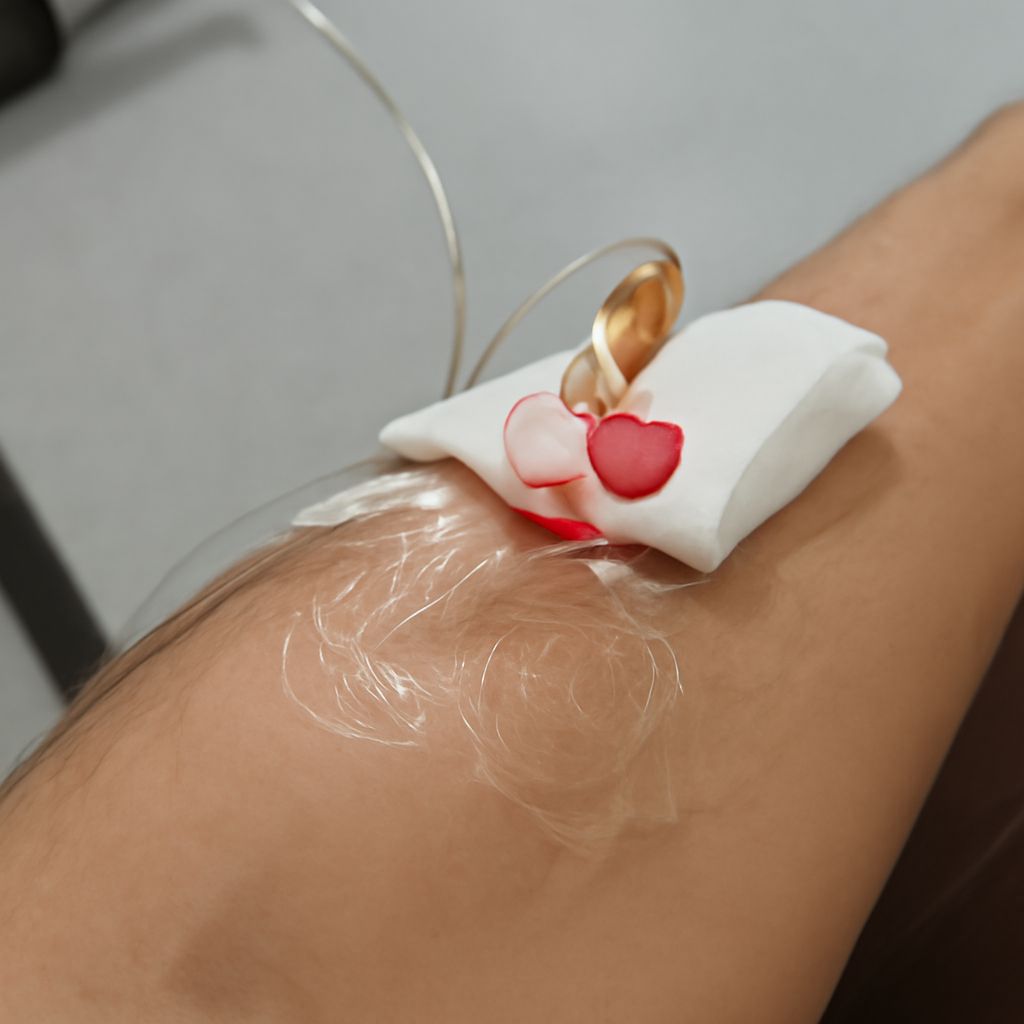
Do IVs Hurt? What to Expect When Getting an IV
Many people approach hospital procedures with questions and uncertainty, often wondering: do IVs hurt? Facing the idea of a needle can cause anxiety, especially if you aren’t sure what pain or sensations to expect. Fortunately, advances in hospital care and IV placement techniques are designed to minimize discomfort, making the process smoother for both patients and caregivers.
Getting an IV—short for intravenous therapy—is an essential part of modern healthcare. Whether you need fluids, medication, or nutrition, this method is highly effective. Yet, even as hospitals strive to improve the patient experience, concerns about potential pain during an IV insertion remain common. Let’s explore what’s involved, why IVs are used, and how discomfort can be managed.
Understanding Why IVs Are Used in Hospitals
IV therapy is a cornerstone of medical treatment in hospital settings. Medical professionals rely on intravenous lines to deliver medications quickly and efficiently, ensuring fast absorption and consistent dosing. In emergencies or surgeries, rapid access to the bloodstream through an IV is crucial for stabilizing patients and supporting vital functions.
Beyond emergencies, IVs play a vital role in routine hospital care. Hydration, blood transfusions, and the administration of certain nutrients or antibiotics are often performed using this method. The controlled introduction of fluids through a vein allows for precision that oral or intramuscular routes cannot always match.
Having an IV inserted is also common for diagnostic procedures or when oral intake isn’t possible. Patients recovering from surgery or those with specific conditions may require continued intravenous access for monitoring and ongoing treatment. While the process may sound intimidating, understanding its importance can help ease anxiety about the experience.
For hospital staff, ensuring the safety and effectiveness of this technique is a top priority. Proper IV placement reduces the risk of complications and supports optimal healing, which is why it remains a standard of care across healthcare facilities worldwide.
Does Getting an IV Hurt? The Typical Experience
The core concern—does getting an IV hurt—varies from person to person. Most individuals describe the feeling as a brief pinch or sting when the needle enters the skin. After initial insertion, the discomfort typically subsides rapidly, as the needle is replaced by a soft, flexible catheter that stays in the vein.
Nurses and phlebotomists receive thorough training to ensure that cannulating a vein is as gentle as possible. Professional standards emphasize using the smallest suitable gauge, selecting an appropriate site, and keeping the process clean and swift. While some patients barely notice more than a quick prick, others may feel mild pressure or sensitivity at the site for a short while afterward.
DIY attempts to place an IV are highly discouraged, as clinical expertise is essential for both safety and comfort. Hospital staff employ techniques such as distraction, topical anesthetics, or cold sprays to further reduce the sensation, particularly in children or patients with needle phobia.
For most, the anticipation of pain is often worse than the procedure itself. Once the IV is in place, ongoing irritation is rare unless the site becomes dislodged or inflamed. Understanding that the sharp part is quickly removed—and replaced with a soft tube—can help lessen apprehension about the process.
What Factors Influence Whether IVs Hurt
Several factors determine how much discomfort you might feel when having an IV started. Individual pain tolerance ranges widely, and some people are simply more sensitive to needles. The skill and technique of the healthcare provider play a significant role in making the experience less uncomfortable, as does the use of numbing agents or distraction methods.
The location of the IV insertion can impact your perception of pain. Veins on the hand or wrist may be more sensitive due to thinner skin and more nerve endings, while those in the forearm can sometimes be less tender. Prior IVs, dehydration, or small veins may make access more challenging and occasionally increase the chances of repeated attempts.
Underlying medical conditions also affect your experience. Patients with chronic illness, fragile veins, or a history of difficult IV placements may face more challenges. Hospital protocols often address these cases by using ultrasound guidance or specialized teams for complex access needs, which can help decrease discomfort.
Emotional state is another significant component. Anxiety or fear can heighten the perception of pain, making relaxation strategies or clear communication especially valuable before and during the procedure. Being well-prepared and informed can significantly ease the process, both physically and mentally.
Tips for Reducing IV Discomfort and Anxiety
There are several proactive measures you can take to make your IV experience more comfortable. Alert your nurse if you have a history of fainting, needle sensitivity, or difficult veins; this gives them a chance to choose the most suitable vein and approach. Hospital staff may offer topical numbing creams or apply cold packs to dull the sensation where the needle will be inserted.
Simple coping mechanisms—such as deep breathing, listening to music, or focusing on a focal point—can also help distract from the process. Bringing a support person or asking for gentle conversation can ease nerves and divert attention away from the procedure. Many patients find that intentionally relaxing their arm muscles makes inserting the IV less painful.
Hydration is another overlooked tip. Well-hydrated veins are plumper and easier to access, so if permitted, drinking water before the procedure (unless fasting is necessary) can help make the process smoother. Hospital guidelines often include strategies for comforting pediatric patients, from using numbing sprays to employing playful distraction devices.
Remember, it’s okay to express your worries. Open communication with your care team ensures they can accommodate your needs and use the gentlest technique possible. Their goal is to keep you safe and comfortable throughout the entire IV process.
When to Talk to Hospital Staff About IV Pain
It is normal to feel a bit of soreness or mild bruising after an IV is placed, but persistent or worsening pain is not expected. If you notice redness, swelling, warmth, or increased tenderness at the IV site, let your healthcare provider know promptly. These could be signs of complications such as infiltration, infection, or phlebitis, all of which require timely attention.
Should the IV site become increasingly uncomfortable, or if you experience difficulty moving your arm, always alert a nurse or physician. Hospital standards require regular assessment of IV sites, but your feedback is an essential part of early detection of any issues. Don’t hesitate to ask for a site assessment or request relocation if discomfort persists.
Patients with a history of repeated or failed IV attempts may benefit from a care meeting to plan for future access needs. Hospitals can provide alternatives such as midline catheters or use technological aids for challenging veins, all tailored to minimize distress and optimize your experience.
Proactive involvement in your own care, clear reporting of symptoms, and trust in the expertise of your hospital team help ensure that any IV-related discomfort is quickly addressed and resolved.
Next steps: Before your next hospital visit, consider discussing your concerns and previous experiences with IVs in advance. Maintaining open lines of communication, practicing relaxation techniques, and staying informed about best practices can all contribute to a smoother, less stressful experience during IV placement and hospital care.