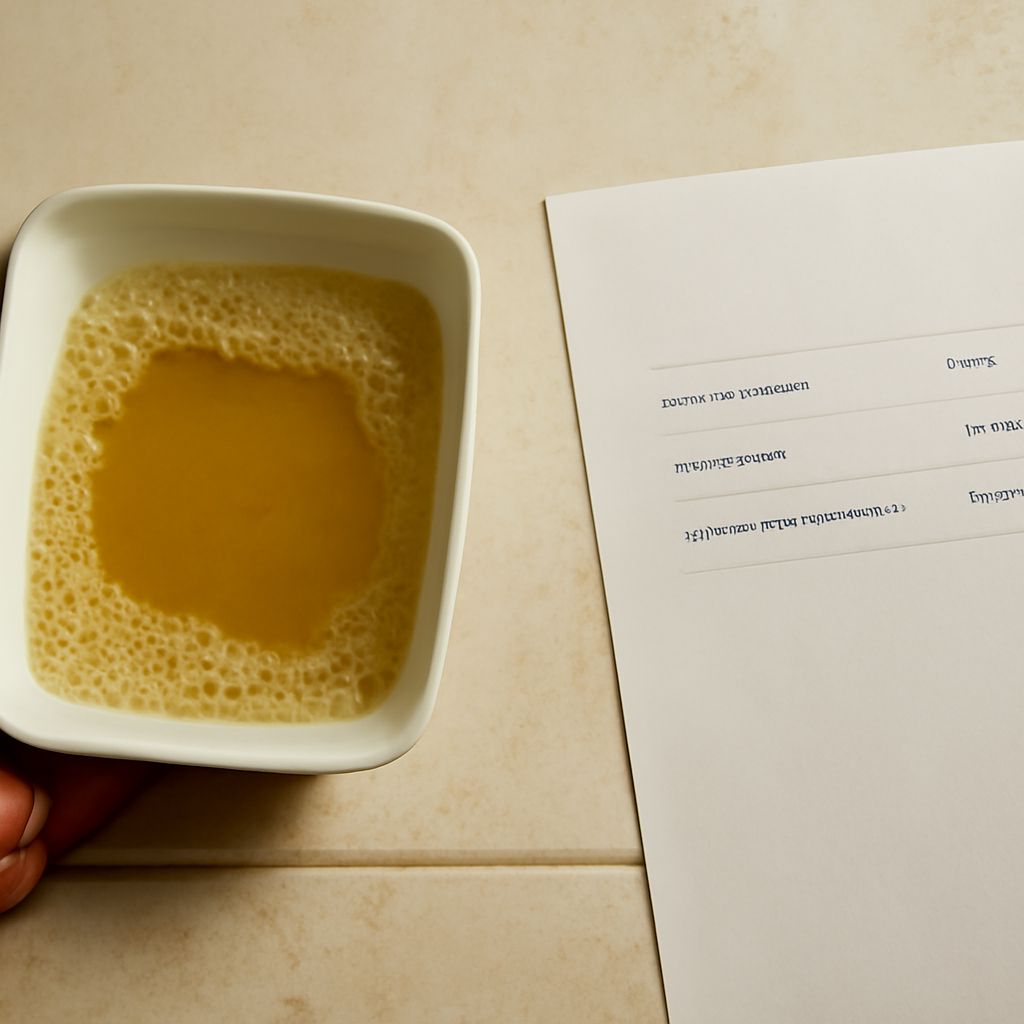
Bubbles in Urine: Causes and Concerns
Noticing bubbles in urine can be a cause for concern. While it might seem alarming, understanding the underlying causes can help. Sometimes, foam in urine is harmless, but it can also indicate a medical issue. This article delves into frothy urine, exploring reasons behind its occurrence and when to seek medical advice.
Understanding Bubbles in Urine
Bubbles in urine are often due to the speed or force of urination, which traps air in the liquid. This is typically harmless and resolves quickly. However, persistent bubbles might suggest underlying health conditions that need attention.
The appearance of frothy urine can also be influenced by factors such as dehydration, which makes urine more concentrated, leading to a frothy appearance. Drinking adequate water can often resolve this issue.
Causes of Foam in Urine
There are several reasons why someone might notice foam in their urine. One common cause is the presence of protein. When the kidneys are not filtering efficiently, protein can seep into the urine, causing frothiness. This condition, known as proteinuria, warrants medical evaluation.
Another potential cause is urinary tract infections (UTIs). Infections can alter the composition of urine, resulting in bubbles. UTIs are often accompanied by other symptoms like burning sensations or frequent urination.
Certain medications and supplements can also lead to bubbles, modifying the urine’s characteristics and causing foaminess. It’s important to consider any new medications or supplements when noticing changes in urine.
When Frothy Urine Indicates a Problem
While occasional bubbles are normal, persistent frothy urine can be a sign of a deeper issue. Proteinuria’s presence might suggest kidney damage or disease, conditions that require prompt medical intervention.
Additionally, frothy urine might be a symptom of high blood pressure or diabetes. Both conditions can affect the kidneys, leading to increased protein in the urine over time.
Consistency and duration of symptoms are key. If the foaminess accompanies other symptoms, such as swelling or weight gain, it’s crucial to consult a healthcare professional.
Bubbles in Urine for Females: Unique Considerations
For females, hormonal changes or pregnancy might alter urine appearance. Pregnancy can increase the likelihood of UTIs, contributing to foamy urine. Monitoring these changes during pregnancy is important for both maternal and fetal health.
Menstruation can also impact urine appearance. Blood or increased mucus during menstruation might mix with urine, causing temporary bubbles.
Female anatomy can make UTIs more prevalent, which can also contribute to bubbly urine. It’s important for women to seek medical advice if they notice persistent changes.
When to See a Doctor
If you experience persistent or worsening frothy urine, it’s essential to seek medical guidance. Early diagnosis and intervention can prevent complications, especially in cases related to kidney function.
Consult a healthcare provider if frothy urine coincides with symptoms like edema, fatigue, or changes in appetite. These could indicate systemic conditions needing evaluation.
Routine check-ups and urine tests can help monitor kidney health, ensuring any potential issues are addressed in a timely manner.
Pro tips recap: While bubbles in urine are typically benign, persistent appearances should not be ignored. Staying hydrated, monitoring medication intake, and seeking medical advice when necessary are key to maintaining urinary health. Remember to consider your overall health and consult professionals when in doubt.