Understanding Pulse Oximeter Readings
In today’s health-conscious world, understanding the details of your cardio health is more crucial than ever. One key tool at your disposal is the pulse oximeter, a device that measures blood oxygen levels with precision. Whether you’re an athlete, have a medical condition, or simply want to keep track of your well-being, learning to interpret pulse oximeter readings can provide essential insights into your body’s oxygenation status.
Devices like the finger oxygen sensor utilize advanced technology to offer non-invasive ways of monitoring how well oxygen is being delivered to the extremities furthest from your heart. By incorporating a blood oximeter into your routine, you can stay informed about vital aspects of your cardiovascular health and make informed decisions based on accurate data. In this guide, we’ll delve into the workings, importance, and interpretation of these readings to help you choose the right device for your needs.
What Are Pulse Oximeter Readings?
A pulse oximeter reading provides a snapshot of the saturation of oxygen in your blood, expressed as SpO2. This measurement is crucial for understanding if your blood is carrying enough oxygen to your organs. Normal readings typically range from 95% to 100%, indicating that your lungs are efficiently oxygenating your blood.
The device primarily measures the oxygen saturation by analyzing the light absorption of hemoglobin in your blood. It utilizes specific wavelengths of light to differentiate between oxygen-rich and oxygen-poor hemoglobin, providing a percentage that reflects your blood oxygen level.
How Do Finger Oxygen Sensors Work?
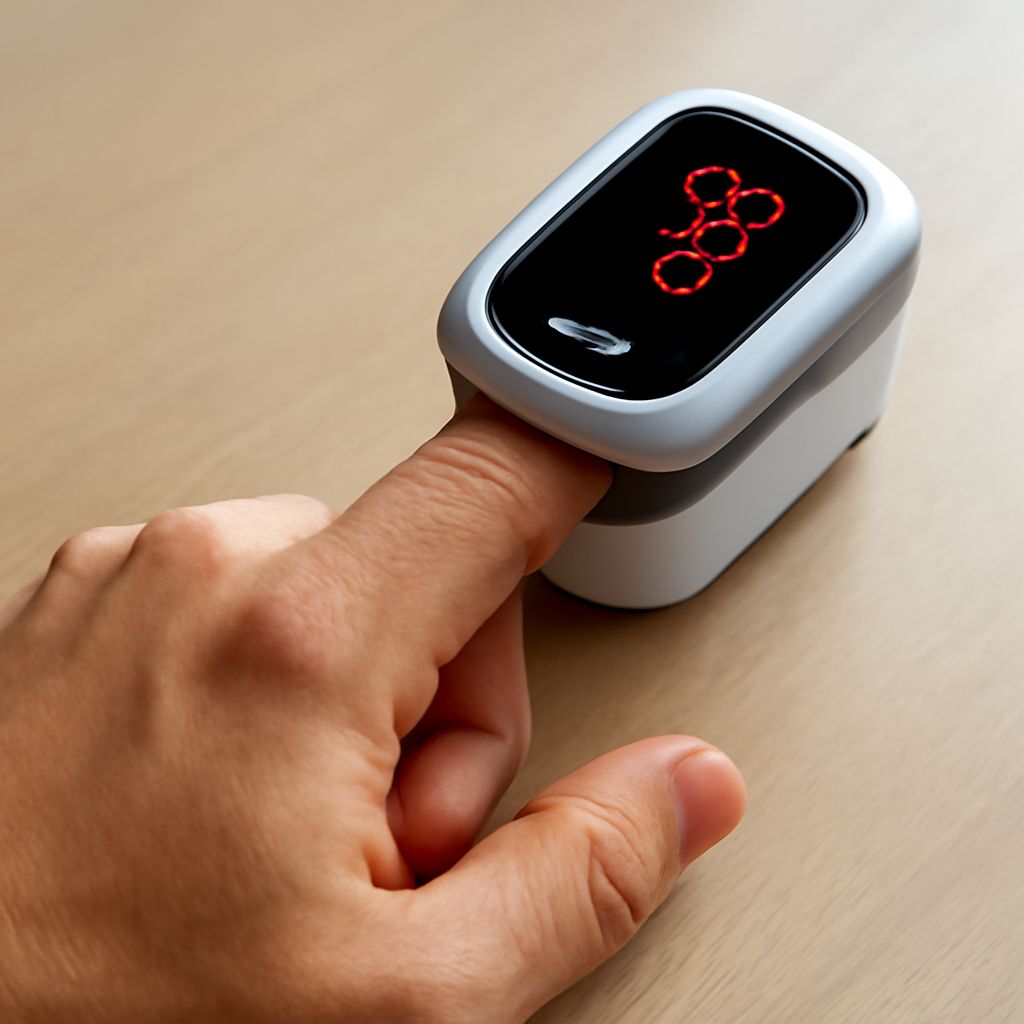
The finger oxygen sensor functions by emitting beams of light through your fingertip or earlobe. These beams pass through your blood and are captured by a detector on the opposite side. By analyzing the light that is absorbed and the light that passes through, the device calculates the concentration of oxygen in your blood.
This non-invasive method offers a convenient and painless way to monitor oxygen saturation. By understanding the principles of light absorption, blood oximeters can provide accurate and instant readings, making them an indispensable tool for those needing constant monitoring.
Finger oxygen sensors are designed with portability and ease of use in mind, allowing users to check their readings anytime and anywhere. This feature is especially beneficial for individuals with respiratory or cardiac conditions who need to track their oxygen levels regularly.
The Importance of Blood Oxygen Sensors
Blood oxygen sensors are vital for anyone who requires precise information about their blood oxygen levels. These measurements are particularly important for individuals with chronic respiratory diseases, athletes who engage in high-intensity training, or patients undergoing medical treatments that affect lung function.
By monitoring oxygen levels, blood oxygen sensors help in identifying potential health issues before they become serious. For instance, a consistently low blood oxygen reading may indicate a problem with lung function or cardiovascular performance, prompting timely medical intervention.
Furthermore, understanding your oxygen saturation levels can guide lifestyle and medical decisions, such as when to seek medical advice, adjust your exercise regimen, or manage stress levels effectively. In emergencies, these sensors can also provide critical data to healthcare providers, aiding in swift and accurate treatment decisions.
Choosing the Right Blood Oximeter
Selecting the right blood oximeter involves considering several factors. Accuracy is paramount, as precise readings are essential for effective monitoring. Look for devices that are clinically validated and have a reputation for reliability.
Ease of use is another critical consideration. Opt for a model that has a clear display and intuitive operation, ensuring you can obtain readings without hassle. Portability is also important, particularly if you need to carry the device with you for regular checking.
Finally, consider the additional features some blood oximeters offer, such as heart rate monitoring or Bluetooth connectivity, which can enhance your overall user experience. However, ensure that the core function—accurate oxygen saturation measurement—is not compromised by these extras.
Interpreting Your Readings
Understanding how to interpret your pulse oximeter readings is crucial for effective health monitoring. A reading between 95% and 100% indicates normal blood oxygen saturation, while values below this range may suggest potential health concerns.
If your reading consistently falls below the normal range, it might indicate issues such as respiratory infections, sleep apnea, or even cardiac problems. In such cases, consulting a healthcare professional is advisable for further evaluation and intervention.
Regular monitoring allows you to establish a baseline for your normal oxygen levels, making it easier to detect any unusual changes promptly. By staying informed about your blood oxygen levels, you can take proactive steps to maintain optimal health and address potential issues early.
Bottom line: Pulse oximeters are a valuable tool in the realm of cardio health monitoring. By understanding how to use and interpret these devices, you gain valuable insights into your blood oxygen levels, aiding in proactive health management. Choose a reliable blood oximeter and stay informed about your oxygen saturation for better health outcomes.