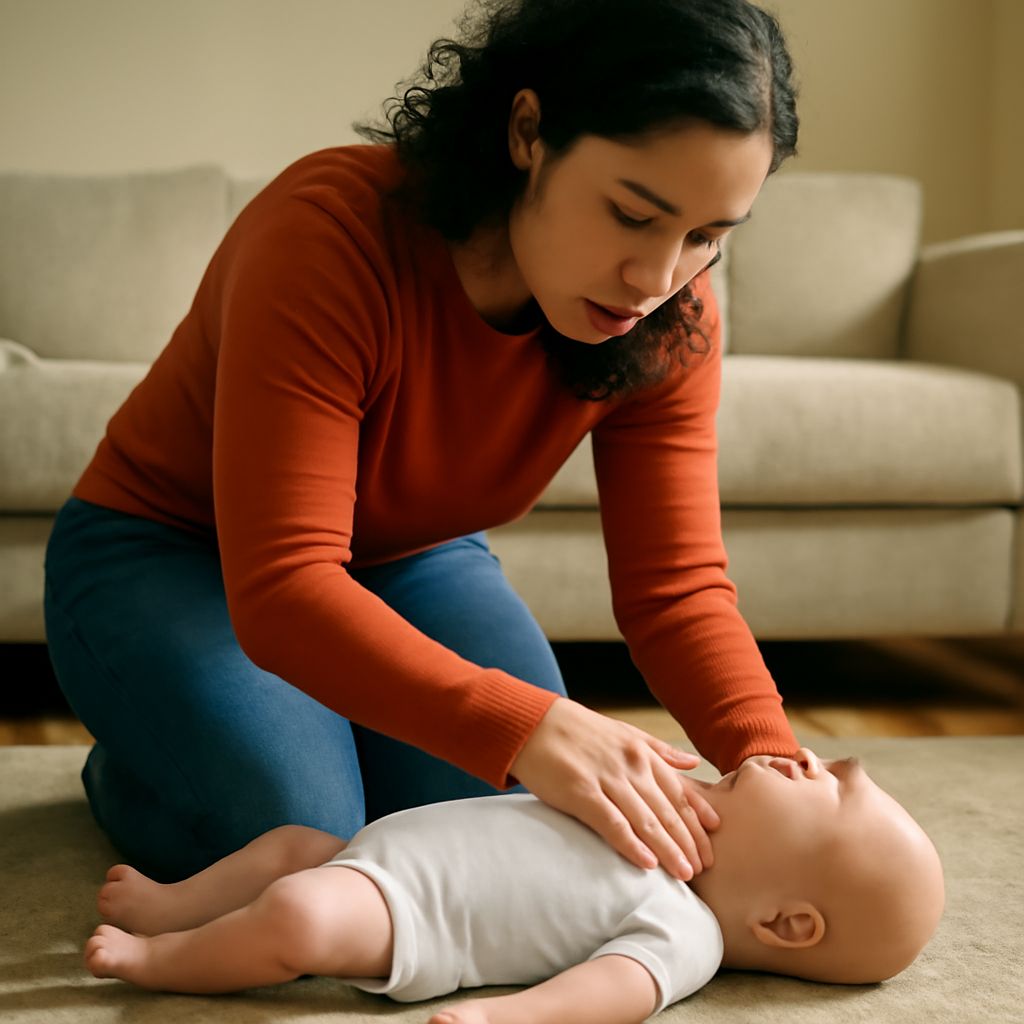
Infant CPR: Essential Skills for Parents and Caregivers
Every parent’s nightmare is finding themselves in a situation where their child is unresponsive. Knowing how to perform CPR on a child can make the difference between life and death. The idea of performing newborn CPR might seem daunting, but understanding these essential techniques can empower parents and caregivers to act quickly and effectively in emergencies.
As parents and caregivers, acquiring the necessary skills to perform CPR for children is not only a recommendation but a responsibility. Life-saving techniques such as CPR are critical, especially for the most vulnerable, like infants. In this guide, we’ll explore the vital steps and considerations needed to ensure you’re prepared for any scenario.
Understanding the Importance of Infant CPR
The fragility of infants makes them particularly susceptible to respiratory and cardiac emergencies. Therefore, knowing infant CPR is crucial for anyone responsible for a child’s welfare. An effective response can significantly increase the chances of recovery, reducing potential long-term health impacts.
Infants have specific anatomical and physiological differences from adults, demanding a tailored approach when performing CPR. The correct application of CPR for children is vital as it ensures that adequate blood flow is maintained, particularly to the brain and heart, during a crisis.
Without timely and effective intervention, the window for successful resuscitation diminishes rapidly. Thus, understanding these essential skills isn’t just about the act itself but about enhancing confidence in emergency scenarios.
Steps to Perform CPR on a Child
Assess the Situation
Before jumping into action, it’s essential to assess the child’s condition. Check for responsiveness by gently tapping their shoulder and shouting their name. If there’s no response, it’s crucial to initiate CPR immediately.
Observe the infant’s breathing and chest movements. Unlike adults, infants may have irregular breathing patterns, so it’s important to discern normal from abnormal breaths.
Call for Emergency Help
Once you’ve identified the emergency, ensure that help is on the way by calling emergency services. Ideally, this call should be made as soon as possible, either by yourself if alone or by instructing someone nearby. An effective emergency call includes stating the situation clearly and providing your location.
While continuing CPR, stay on the line for instructions, if necessary, as dispatchers can often guide you through the process until professionals arrive.
Performing CPR for Children
Begin with 30 gentle chest compressions. Ensure that your hand is positioned at the center of the infant’s chest, using two fingers. Compress the chest about 1.5 inches deep, allowing it to return to its normal position between compressions.
Following the chest compressions, provide two rescue breaths. Cover the infant’s mouth and nose with your mouth, ensuring a good seal, and gently breathe into their lungs. Watch for the chest to rise, indicating effective breaths.
Alternate between compressions and breaths, maintaining a rhythm until medical help arrives or the child starts to respond. Adjustments in technique are essential depending on the child’s size and age, underscoring the importance of practice and familiarity with these methods.
Special Considerations for Newborn CPR
Newborn CPR requires extra care due to their size and fragility. With newborns, ensure compressions are particularly gentle and breaths are smaller. The use of two fingers for chest compressions is critical to prevent injury.
When performing CPR on a newborn, it may require more frequent cycles due to their smaller blood volume and higher heart rate. Staying calm and methodical is key, as panic can lead to mistakes that could be harmful.
Remember, due to their delicate physiology, ensuring that airway passages are clear is crucial. Gentle head tilting and chin lifting can help maintain airway openness without causing harm.
Training and Resources for CPR on a Child
To truly prepare for such emergencies, taking a certified CPR course designed for infants and children is invaluable. These courses not only teach the mechanics of CPR but also boost confidence in handling real-life situations.
Many community centers and hospitals offer CPR training. These sessions often include hands-on practice with mannequins, providing a realistic experience that enhances learning retention.
Additionally, online resources and video tutorials can supplement formal training, offering refreshers on techniques and updates on current best practices. However, they should not replace certified training courses.
Safety recap: When administering CPR on an infant, ensure correct technique to avoid harm. Regularly refresh your training to stay confident and effective. This knowledge is a crucial part of keeping children safe in emergencies.