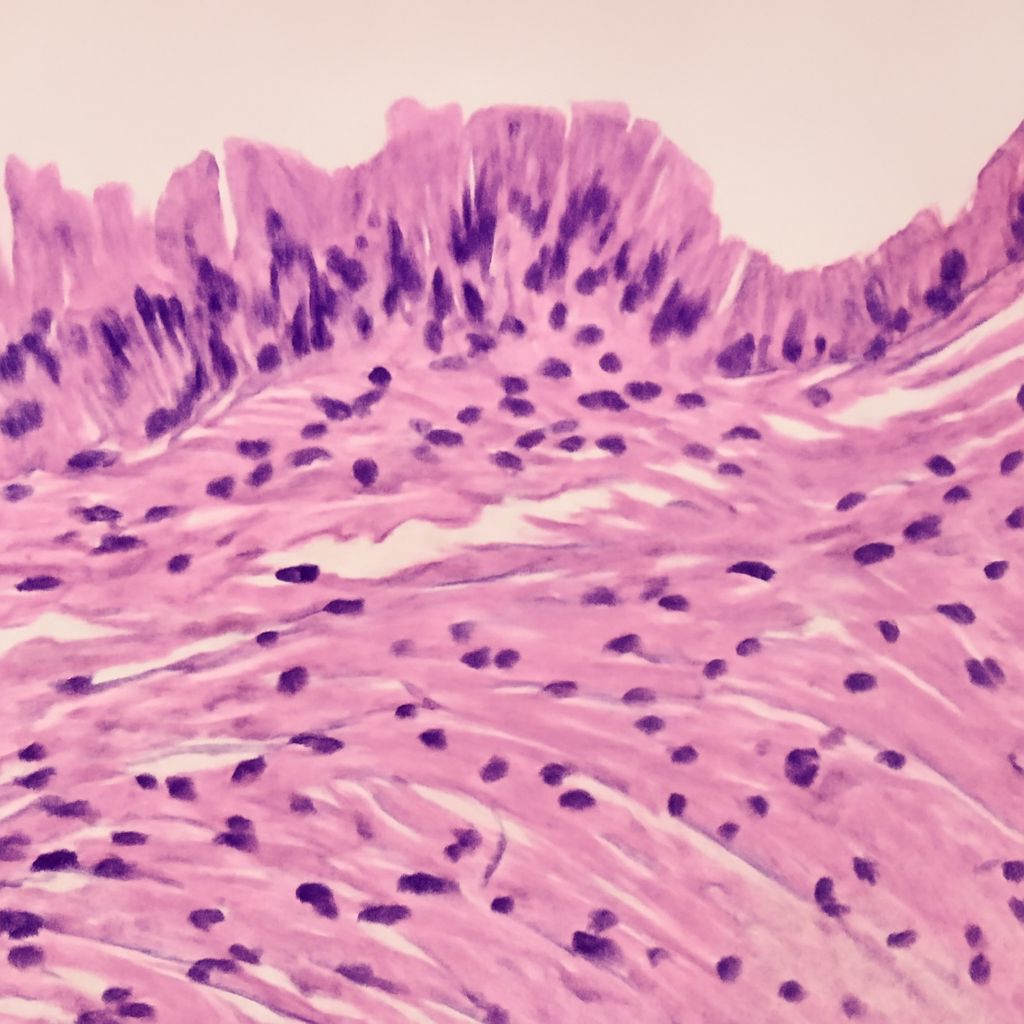
Pathology Report: Understanding Diagnostic Pathology
In the realm of medicine, accurate diagnosis is the cornerstone of effective treatment. Diagnostic pathology serves as a critical component in this process, offering detailed insights into the nature of diseases. Whether it’s understanding gallbladder pathology or analyzing lung pathology, pathology reports provide invaluable information that guides medical decisions. In this article, we delve into the significance of these reports and how they underpin modern diagnostic approaches.
Pathology Report Definition
A pathology report is a medical document produced by a pathologist after examining samples of bodily tissue. This report provides essential details about the presence or absence of disease, often highlighting the characteristics and severity of the condition. Pathology reports are crucial for determining the most suitable treatment options for patients.
These reports typically include a description of the tissue sample, the methods used in analysis, and a final diagnosis. By comprehensively evaluating the tissue, pathologists can identify the precise type of disease, which is vital for effective intervention.
The Role of Diagnostic Pathology
Diagnostic pathology involves the study of tissues and cells under a microscope to diagnose diseases. This field encompasses various specialties such as surgical pathology, cytopathology, and molecular pathology. Each of these areas contributes to a holistic understanding of the patient’s condition.
Pathologists employ multiple techniques, including histological staining, biomarker analysis, and genetic testing, to deliver a thorough diagnosis. These methods allow for a deeper exploration of disease mechanisms, aiding clinicians in tailoring personalized treatment plans.
Moreover, diagnostic pathology is an evolving field, integrating advanced technologies like AI and digital imaging to enhance accuracy and efficiency. As a result, pathologists play a pivotal role in the continuum of patient care, from initial diagnosis to ongoing disease management.
Understanding Gallbladder Pathology
Gallbladder pathology focuses on diseases affecting the gallbladder, such as cholecystitis and gallstones. Pathologists examine tissue samples to identify inflammation, infection, or malignancy, providing clarity on the underlying issues causing symptoms.
The examination of gallbladder tissues can reveal conditions ranging from benign polyps to malignant tumors. Pathology reports for gallbladder conditions often guide surgeons in deciding whether surgical intervention is necessary.
Understanding the specific pathology of the gallbladder can also inform dietary and lifestyle changes that may alleviate symptoms or prevent disease progression. This highlights the role of pathology reports in comprehensive patient care.
Analyzing Lung Pathology
Lung pathology encompasses the study of diseases such as pneumonia, chronic obstructive pulmonary disease (COPD), and lung cancer. Pathologists analyze lung tissue samples to assess disease type and stage, which is crucial for developing an effective treatment plan.
In lung pathology, distinguishing between different types of lung cancer, for example, has significant implications for treatment strategies. Pathology reports provide detailed classifications that are essential for oncologists when determining the best course of action.
Additionally, lung pathology reports can indicate the presence of infections or inflammatory processes, thus aiding in the diagnosis of non-cancerous conditions that may mimic more serious diseases.
The Importance of Accurate Pathology Reports
Accurate pathology reports are fundamental to patient outcomes. A precise and detailed report ensures that the diagnosis is correct, reducing the risk of misdiagnosis and inappropriate treatments. Pathology reports are often the basis upon which other medical professionals, such as surgeons and oncologists, make key decisions.
The accuracy of these reports depends on the skill and experience of the pathologist, as well as the quality of the samples provided. Consequently, maintaining high standards in pathology labs is vital to ensuring that patients receive the best possible care.
In conclusion, pathology reports are indispensable tools in the medical field, guiding the diagnosis and treatment of various diseases. Whether dealing with gallbladder or lung pathology, the insights derived from these reports are crucial for effective medical interventions.
Safety Recap: When interpreting pathology reports, it’s essential for healthcare providers to consider multiple factors to ensure accurate diagnoses. Pathologists must adhere to established protocols to maintain the reliability of their findings.