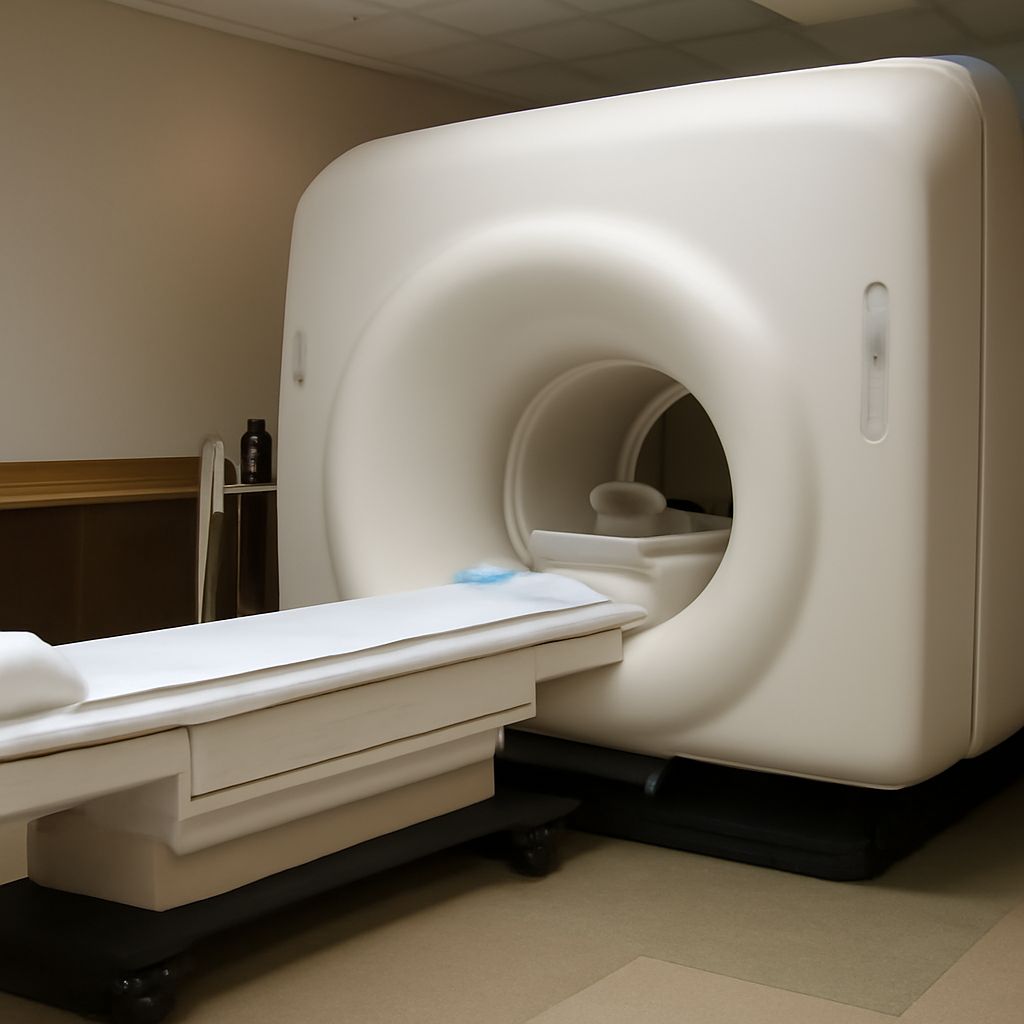
MRI vs X-Ray: Understanding Imaging Choices
In the realm of medical diagnostics, selecting the right imaging test can be daunting. With a myriad of options like MRI vs X-Ray to consider, understanding their unique capabilities can aid in making informed decisions. Whether it’s distinguishing the nuances between a CT vs MRI Brain scan or evaluating the practicality of an Ultrasound vs X-Ray for specific conditions, the ideal choice hinges on the precise medical need. This guide unpacks each imaging modality’s strengths, tailored to your diagnostic requirements—be it for evaluating back pain or identifying intricate neurological issues.
Introduction to Medical Imaging Tests
Medical imaging tests are vital tools used to visualize internal structures of the body, providing crucial data for accurate diagnosis. These tests range from traditional X-rays to advanced MRI scans, each offering unique insights. Understanding the distinct features and uses of these tests can guide you toward the most appropriate choice for your health concerns.
MRI vs X-Ray: Key Differences
Magnetic Resonance Imaging (MRI) and X-ray are both pivotal in diagnosing medical conditions, but they operate differently. X-rays employ radiation to capture images of dense structures like bones, making them excellent for detecting fractures. In contrast, MRI uses magnetic fields and radio waves, providing detailed images of soft tissues such as muscles and ligaments. This makes MRI particularly useful in scenarios where soft tissue contrast is crucial for diagnosis.
The primary difference between these imaging tests lies in their imaging capabilities and safety profiles. While X-rays are quick and effective for bone injuries, the absence of radiation in MRI scans renders them safer for repeated use, especially for conditions requiring frequent monitoring.
MRI vs CAT Scan: When to Choose One Over the Other
Choosing between MRI and CAT (CT) scans depends on the specific medical evaluation required. CT scans excel in providing detailed images of body structures in quick succession, making them suitable for emergency situations. They are particularly effective for assessing complex fractures or detecting internal bleeding. On the other hand, MRI scans, with their superior soft tissue contrast, are invaluable for examining neurological conditions or musculoskeletal injuries.
When deciding between these options, consider the diagnostic requirement. While MRIs are ideal for soft tissue examination without radiation exposure, CT scans offer faster imaging for dynamic evaluations, albeit with some radiation risk.
CT vs MRI Brain: Which is Better for Accurate Diagnosis?
Evaluating brain health often involves choosing the right imaging test. CT scans are beneficial for initial assessments following head trauma due to their speed and efficiency. They quickly reveal hemorrhages or skull fractures. However, for detailed analysis of brain tissues, including tumors or neurological disorders, MRI provides superior detail and contrast.
Ultimately, the choice between CT and MRI for brain imaging hinges on the specific clinical indication. While CT scans offer rapid results in acute settings, MRI’s detailed imaging is unmatched for in-depth examination of brain anomalies.
Ultrasound vs X-Ray: Which Test is Suitable for You?
Ultrasound and X-ray serve different diagnostic purposes. Ultrasound is non-invasive and involves no radiation, making it ideal for monitoring pregnancy or evaluating soft tissue structures such as the liver or kidneys. Meanwhile, X-rays are preferred for their capability to capture clear images of bones and assess fractures.
Considering the application, ultrasound is often chosen for soft tissue evaluation due to its safety and effectiveness in real-time imaging, while X-rays remain the go-to for bone-related assessments.
CT Scan vs MRI for Back Pain: Finding the Right Test
When it comes to diagnosing the cause of back pain, both CT and MRI scans offer valuable insights. CT scans provide rapid imaging and are excellent for assessing bone-related issues or spinal injuries. However, for conditions involving soft tissues like herniated discs or nerve compression, MRI’s detailed soft tissue imaging is preferred.
The decision between CT and MRI for evaluating back pain should consider the suspected cause. While CT offers quick bone imaging, an MRI provides an in-depth look at soft tissue structures, essential for comprehensive back pain assessment.
Next Steps: As you navigate through imaging options, collaborate closely with healthcare professionals to tailor the choice to your diagnostic needs. Regularly updating your knowledge about the latest advancements in imaging technologies can further enhance decision-making. Prioritize consultations with certified radiologists to ensure accuracy and optimal care throughout your diagnostic journey.