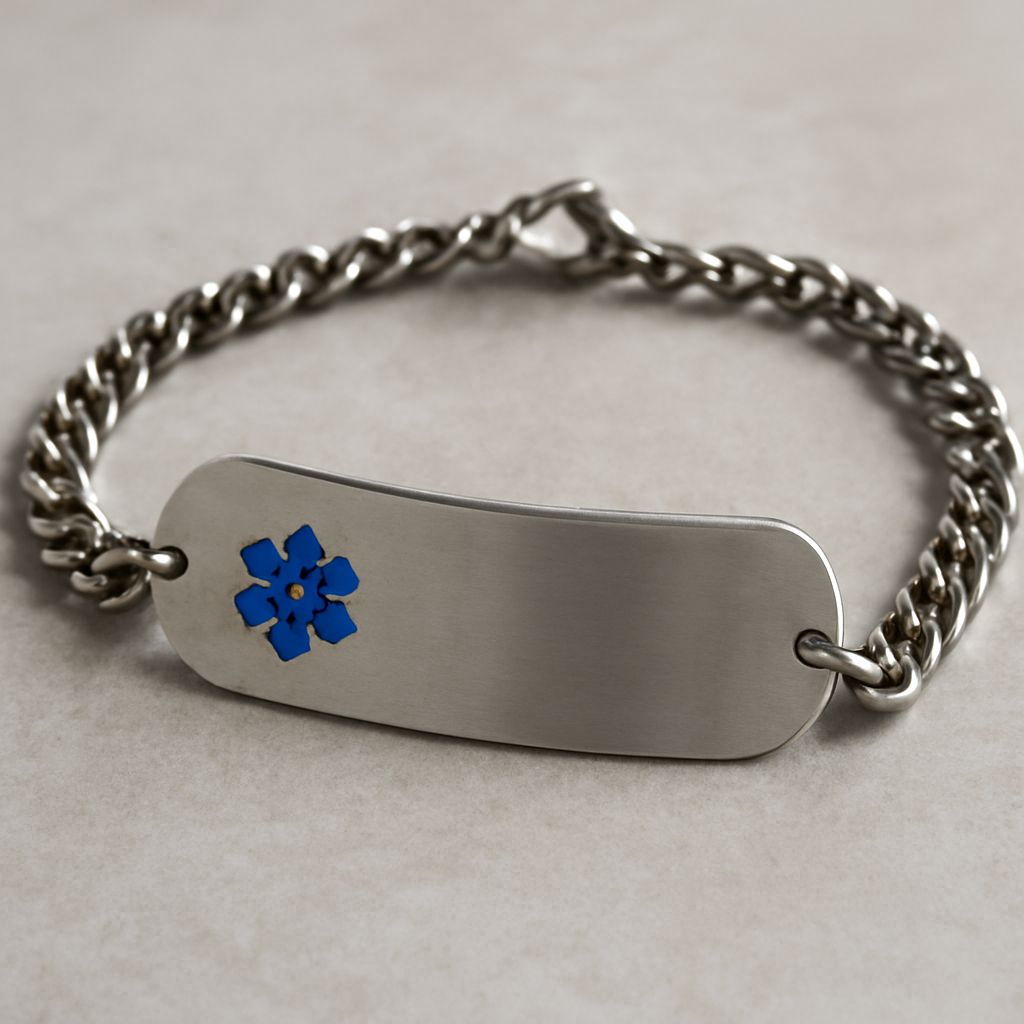
Hospital Bracelet: Essential Tools in Patient Care
In the intricate world of healthcare, patient identification is a crucial component, with hospital wristbands serving as a linchpin in this process. These seemingly simple bands are essential for accurate patient identification, ensuring each individual receives appropriate care and medication. A hospital bracelet is not just a tool for identifying patients; it is pivotal in safeguarding against errors, thereby enhancing overall patient safety.
As healthcare evolves, the integration of technology into patient care tools, such as nurse bracelets and insulin pump bands, continues to transform the way hospitals operate. These advancements make the hospital environment more efficient and secure, ultimately fostering a safer and more patient-centric approach.
Understanding Hospital Bracelets and Wristbands
Purpose and Importance of Hospital Bands
Hospital wristbands are crucial for maintaining accurate patient records. They contain essential information such as the patient’s name, date of birth, and medical record number. This data is vital for preventing errors, ensuring that healthcare professionals administer the correct treatment and medication to the right patient.
The role of hospital bands extends beyond mere identification. They are embedded in hospital protocols to enhance operational efficiency. By providing an instant reference to a patient’s medical details, these bands significantly reduce the risk of administrative errors, thus playing a vital role in patient safety.
Types of Hospital Wristbands
There are various types of hospital wristbands, each designed for specific purposes. Standard identification bands are the most common, featuring basic patient information. Allergy wristbands are another type, used to alert medical staff to potential allergic reactions, thus preventing adverse events.
Specialized wristbands, such as those designed for patients with specific conditions or requirements, are also prevalent. These bands often feature color-coding or particular symbols to convey critical information at a glance, ensuring that healthcare providers can quickly interpret the patient’s needs.
The Role of Nurse Bracelets in Healthcare
Features of Effective Nurse Bracelets
Nurse bracelets are a sophisticated blend of technology and practicality, serving as a vital resource for healthcare providers. These bands often incorporate RFID technology, allowing for seamless integration into hospital systems. This connectivity ensures that nurses can access accurate patient data swiftly, which is crucial in emergency situations.
Additionally, nurse bracelets are designed to be durable and comfortable, enabling healthcare providers to wear them throughout long shifts. Their resilience to wear and tear ensures that they remain effective over extended periods, providing consistent support to medical staff.
How Nurse Bracelets Enhance Patient Safety
By utilizing nurse bracelets, hospitals can significantly enhance patient safety. These devices streamline communication between healthcare teams, allowing for real-time updates to patient records. This immediacy in information sharing reduces the likelihood of miscommunication, thereby improving treatment accuracy.
Nurse bracelets also support medication administration processes. By scanning these bracelets, nurses can verify the correct medication and dosage, aligning with best practices in patient care. This adherence to protocol is crucial for minimizing medication errors and enhancing overall patient outcomes.
Innovations in Hospital Bands: Insulin Pump Bands
Technological Advancements in Insulin Pump Bands
Insulin pump bands represent a significant advancement in diabetes management within hospital settings. These bands are equipped with smart technology that monitors blood glucose levels in real-time, offering critical data to both patients and medical staff.
The integration of wireless technology in insulin pump bands allows for continuous monitoring and adjustment of insulin delivery. This innovation ensures that patients receive tailored care, optimizing glucose control and reducing the risk of hypoglycemia or hyperglycemia.
Benefits of Using Insulin Pump Bands in Hospitals
The primary benefit of insulin pump bands is the enhancement of patient autonomy. Patients can manage their diabetes more effectively with real-time data at their fingertips. This empowerment leads to improved patient satisfaction and better overall health outcomes.
Moreover, insulin pump bands contribute to the efficiency of hospital operations. By automating the monitoring process, these bands free up medical staff to focus on other critical tasks, thereby improving workflow and the quality of care delivered.
Ensuring Patient Safety with Hospital Wristbands
Hospital wristbands are indispensable in the quest for enhanced patient safety. By ensuring accurate patient identification, these bands help prevent a wide range of potential errors, from medication mishaps to surgical complications.
Incorporating advanced features like barcodes and RFID tags, hospital wristbands facilitate efficient data management and patient tracking. This technological integration ensures that healthcare providers have access to up-to-date information, allowing for timely and precise medical interventions.
Furthermore, the use of standardized wristbands across healthcare facilities simplifies the implementation of safety protocols. This uniformity helps minimize confusion and streamline patient care processes, ultimately contributing to a safer hospital environment.
Key takeaways: Hospital wristbands and nurse bracelets are critical tools in patient care, enhancing safety and operational efficiency. Innovations such as insulin pump bands empower patients and optimize hospital workflows. These tools are integral to maintaining high standards of patient care and safety.