Endometriosis Biopsy: Side Effects, Bleeding, and What to Expect After an Endometrial Biopsy
An endometriosis biopsy and an endometrial biopsy are related but distinct procedures, and understanding the difference helps patients set accurate expectations for recovery. An endometrial biopsy samples the uterine lining to test for conditions including endometrial hyperplasia, cancer, and hormone response—it is often performed in the workup for suspected endometriosis. Endometrial biopsy side effects are generally mild and short-lived, but knowing what falls within normal range helps patients recognize the rare situations that warrant a call to their provider.
Bleeding after endometrial biopsy is the most common side effect and is expected for a few days following the procedure. However, bleeding 5 days after endometrial biopsy that is heavy, persistent, or accompanied by fever warrants medical evaluation. The pattern of a period after endometrial biopsy may also shift temporarily due to the sampling and any hormonal fluctuations triggered by the procedure.
What Happens During and Immediately After the Procedure
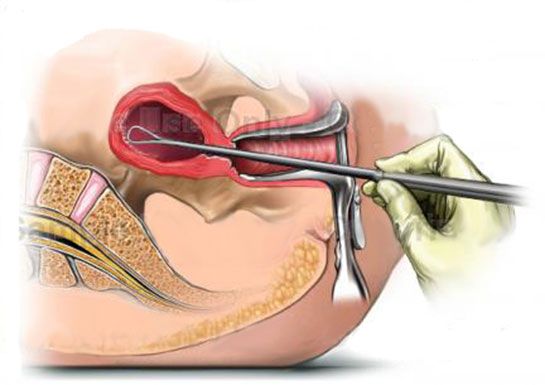
During an endometrial biopsy, a thin flexible catheter is passed through the cervix into the uterus, and a small tissue sample is drawn through suction. The procedure typically takes under five minutes in an outpatient or office setting and requires no general anesthesia. Most patients experience cramping comparable to a strong menstrual period during tissue sampling. This uterine cramping generally subsides within 30 to 60 minutes post-procedure.
Endometrial biopsy side effects in the immediate post-procedure period include light spotting or bleeding, mild pelvic cramping, and occasional dizziness. The spotting from biopsy-related trauma to uterine tissue typically resolves within one to three days. Providers generally advise against tampon use, sexual intercourse, and swimming for at least 48 hours to minimize infection risk while the cervix returns to its normal resting state.
Light-headedness immediately after the procedure is common due to a vasovagal response triggered by cervical manipulation. Resting for 10 to 15 minutes before leaving the clinic is standard practice. Patients who took ibuprofen before the procedure typically report less procedural discomfort, though individual responses vary significantly.
Understanding Bleeding Patterns Post-Biopsy
Spotting or light bleeding after an endometrial biopsy for one to three days is considered normal. The endometrial lining is vascular, and biopsy-related trauma causes minor bleeding as tissue heals. This post-procedural spotting is usually lighter than a normal menstrual flow and does not require treatment.
Bleeding 5 days after endometrial biopsy is less typical and should be evaluated in context. If the biopsy was performed immediately before or during your expected menstrual window, what you’re experiencing may simply be the start of your normal period rather than prolonged procedure-related bleeding. If the biopsy was performed mid-cycle and heavier bleeding begins on day five or later, contact your provider to rule out infection or incomplete hemostasis.
Your first period after endometrial biopsy may arrive slightly earlier or later than usual, and the flow can be heavier or lighter for one cycle. This is attributed to the localized tissue disruption and is not generally cause for concern. Most patients return to their typical menstrual pattern within one to two cycles following the procedure.
When to Contact Your Provider
Signs that warrant prompt medical contact after an endometrial biopsy include fever above 38°C (100.4°F), bleeding that soaks more than one pad per hour for two or more consecutive hours, foul-smelling vaginal discharge, or severe worsening pelvic pain beyond the first 24 hours. These may indicate infection—a rare but manageable complication of uterine sampling.
Patients with a history of endometriosis undergoing a biopsy for diagnostic purposes should be aware that the procedure does not treat endometrial implants, only samples uterine lining tissue. Confirming the presence of endometrial glands outside the uterus requires laparoscopy, which is a separate, surgical procedure.
Pro tips recap: Expect light bleeding and cramping for one to three days after an endometrial biopsy—this is normal healing. Monitor for fever or heavy bleeding beyond five days, as these are signals to contact your provider. Your menstrual cycle may shift for one to two months post-procedure before returning to its regular pattern.