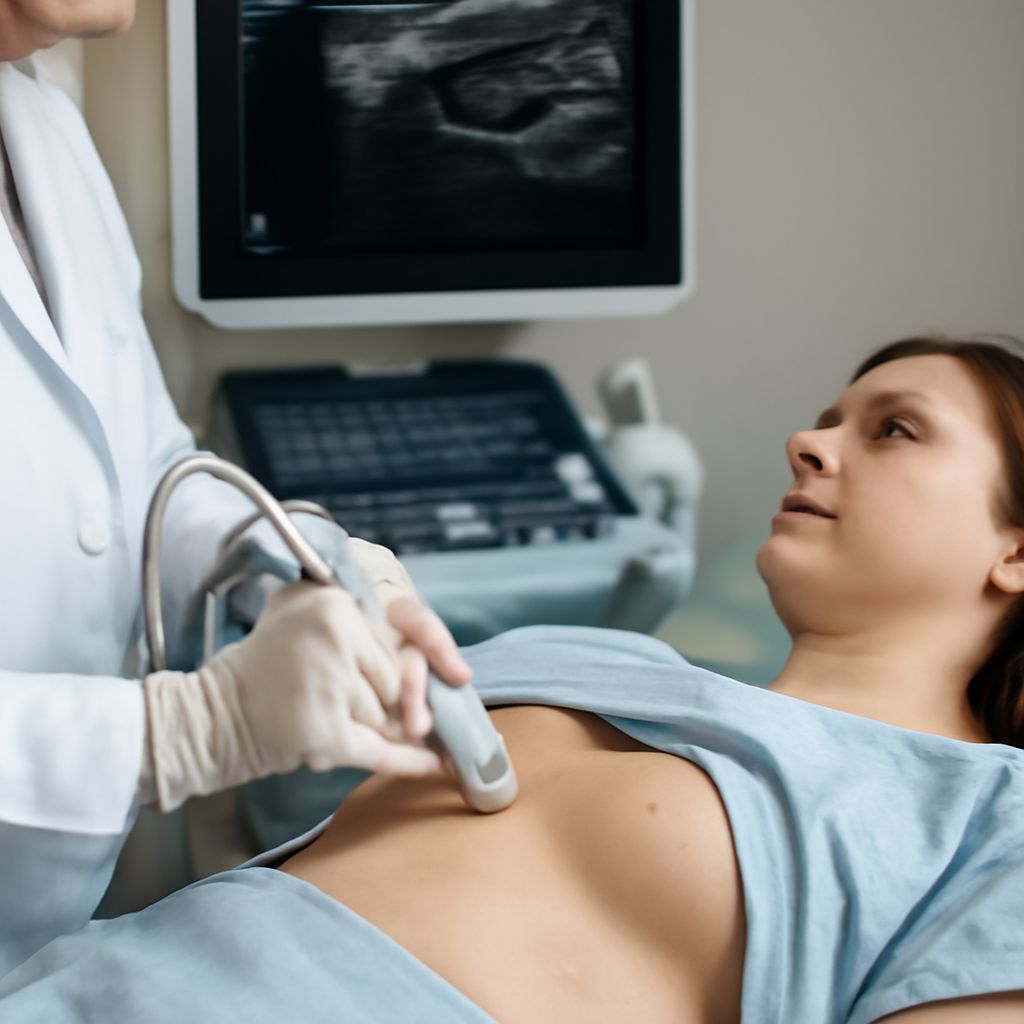
Ultrasound Guided Breast Biopsy: What the Procedure Involves
When imaging detects a suspicious area in breast tissue, a tissue sample is needed to determine whether it is benign or malignant. An ultrasound guided breast biopsy is one of the most commonly used methods for obtaining that sample, prized for its real-time precision, minimal invasiveness, and absence of radiation. If your physician has recommended this procedure, knowing what it entails can transform anxiety into informed confidence.
This guide explains what an ultrasound guided biopsy involves, answers how long does a breast biopsy take, walks through the full experience of an ultrasound biopsy appointment, and covers the recovery period after an ultrasound breast biopsy.
What Is an Ultrasound Guided Breast Biopsy?
An ultrasound guided breast biopsy uses high-frequency sound waves to produce real-time images of the breast, allowing a radiologist or surgeon to precisely direct a biopsy needle to a target lesion. Unlike stereotactic biopsies—which use mammographic guidance—ultrasound-guided procedures do not involve X-ray radiation and allow the physician to visualize needle placement in real time, improving accuracy and reducing the risk of sampling the wrong area.
How Real-Time Imaging Guides the Needle
During an ultrasound-directed breast tissue sampling, the physician positions the ultrasound transducer over the target area, identifies the lesion on the monitor, and introduces the biopsy needle with the transducer providing continuous visualization. Watching the needle approach the target in real time allows for precise angulation adjustments and immediate confirmation that the needle tip is within the lesion before tissue is collected. This level of accuracy is one of the primary advantages of sound wave-guided needle biopsy over other methods.
When This Biopsy Type Is Recommended
Breast lesions that are visible on ultrasound—most solid masses and some cysts—are excellent candidates for ultrasound-guided sampling. This approach is generally preferred when the target is not visible on mammography alone or when real-time needle visualization provides a meaningful accuracy advantage. It is also used for lymph node biopsies in the axillary (underarm) region when concerning nodes are identified on imaging.
How Long Does a Breast Biopsy Take?
One of the most common pre-procedure questions is: how long does a breast biopsy take? For a straightforward ultrasound-guided core needle biopsy, the actual procedure itself typically takes 15 to 30 minutes from needle insertion to bandaging. The full appointment—including registration, preparation, post-procedure observation, and discharge instructions—usually runs 60 to 90 minutes total.
Factors that can extend the duration of an ultrasound biopsy appointment include difficulty visualizing the lesion on the day of the procedure, the number of core samples requested (usually three to six), and any patient-specific considerations such as anxiety management or positioning challenges. Building extra time into your schedule for the day of your appointment reduces stress and accommodates any variations from the standard timeline.
Step-by-Step: What Happens During the Procedure
Understanding each stage of the ultrasound biopsy process demystifies the appointment. You will be positioned on a procedure table in a comfortable, accessible orientation for the target area—most commonly lying on your back or slightly angled toward the side. The breast is cleaned with antiseptic solution, and local anesthesia is injected to numb the skin and underlying tissue. Most patients feel the initial sting of the anesthetic injection; after that, the biopsy itself is generally well-tolerated.
The physician makes a small nick in the skin—typically 3–4 mm—through which the biopsy needle is introduced. A spring-loaded core needle device fires rapidly to collect a cylinder of tissue from the target lesion. You may hear and feel a click or snap during each sample collection. Three to six samples are typically obtained. A small titanium clip is often placed at the biopsy site as a permanent marker for future imaging follow-up. The site is then compressed and bandaged.
Recovery After Ultrasound Breast Biopsy
Recovery from an ultrasound breast biopsy is typically rapid and uncomplicated. Immediately after the procedure, you will be observed briefly before discharge. Most patients are able to drive themselves home and return to normal activities within 24 hours, though avoiding strenuous exercise and heavy lifting for several days is recommended to minimize bruising and discomfort.
Post-procedure soreness and bruising are normal and can be managed with acetaminophen and cold compresses. Aspirin and NSAIDs are typically avoided for the first 24–48 hours due to their blood-thinning effects. Keep the bandage dry for 24 hours; after that, gentle bathing is usually permitted. Pathology results from a sound wave-guided breast sampling procedure are typically available within three to five business days. Your care team will contact you with results and discuss next steps based on the findings.
Key takeaways: Ultrasound guided breast biopsy is a minimally invasive, radiation-free procedure that uses real-time imaging to precisely target breast lesions. The procedure itself takes 15–30 minutes, with a full appointment typically lasting 60–90 minutes. Recovery is quick, with most patients resuming normal activities within 24 hours.