Side Effects of Rabies Vaccine in Dogs: What to Expect After the Shot
Vaccination against rabies is a legal requirement in most jurisdictions for dogs, and it is one of the most important preventive health measures available. The side effects of rabies vaccine in dogs are generally mild and transient, but knowing what to watch for helps owners distinguish normal post-vaccination responses from reactions that need veterinary attention. Understanding rabies vaccine side effects in dogs prepares you for the day after the appointment rather than causing alarm. The vast majority of vaccinated dogs experience nothing more than temporary soreness and mild fatigue.
The rabies vaccine for dogs side effects most commonly reported are local reactions at the injection site, low-grade lethargy, and reduced appetite for 24 to 48 hours. Dog rabies vaccine side effects that persist beyond 48 hours or worsen after the first day deserve a call to your veterinarian. Owners of cats should also note that the side effects of rabies vaccine in cats follow a similar but not identical pattern, and feline vaccine-associated reactions may manifest differently than those in canine patients.
Common and Expected Reactions in Dogs
Local Injection Site Responses
A small lump or area of tenderness at the injection site is the most frequent dog rabies vaccine side effect. This typically resolves within one to two weeks without treatment. Swelling in the first few hours is normal; swelling that grows larger after 24 hours or becomes warm and painful may indicate an abscess or a more significant immune response. Gently palpating the injection site the day after vaccination helps you establish a baseline for comparison.
Systemic Reactions: Lethargy and Appetite Changes
Mild systemic reactions following rabies immunization in dogs include fatigue, reduced activity, and temporary disinterest in food. These responses reflect the immune system activating in response to the vaccine antigen — the same mechanism that causes mild malaise after human vaccines. Most dogs return to normal energy levels within 24 to 48 hours. Offering a favorite food and ensuring fresh water is available supports recovery during this period.
Less Common but Serious Reactions
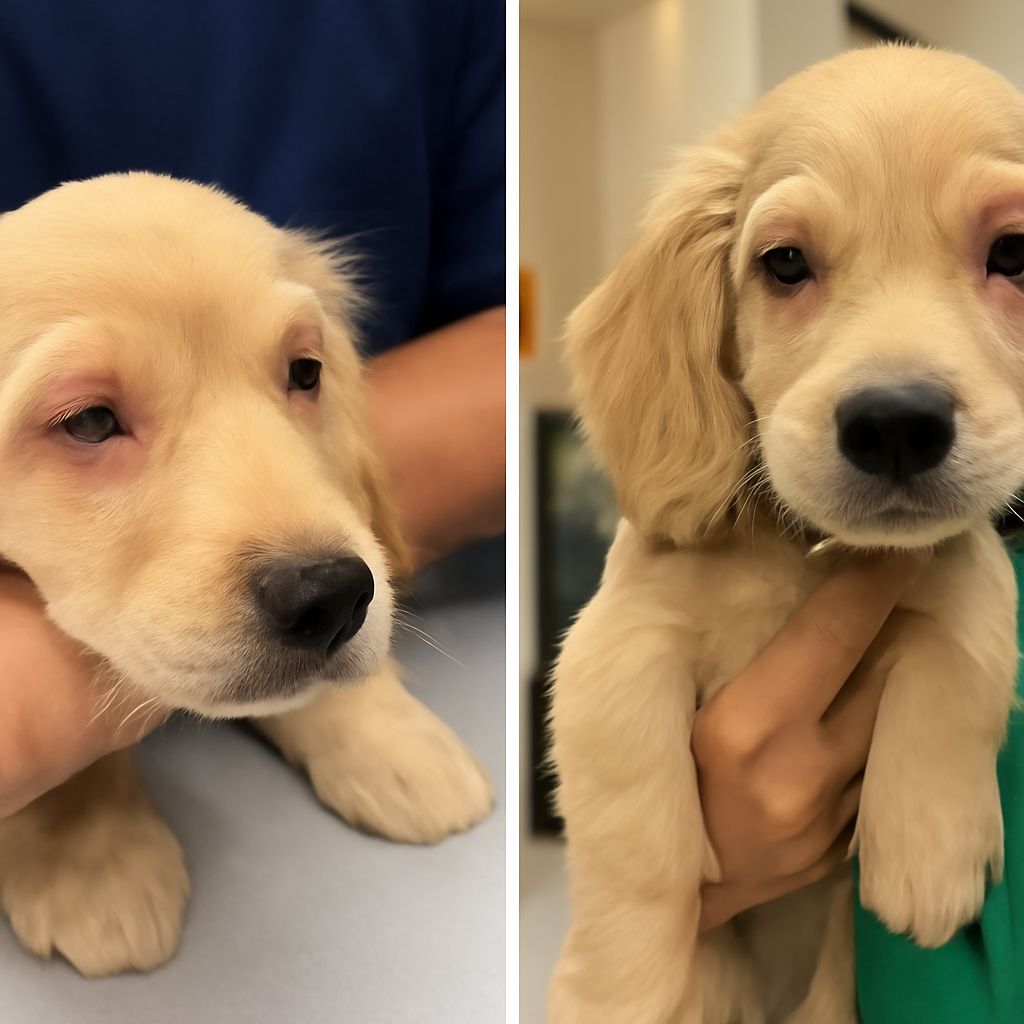
A small proportion of dogs experience more significant rabies vaccine side effects, including facial swelling, hives, vomiting, or collapse, which can occur within minutes to hours of vaccination. These signs indicate a hypersensitivity reaction requiring immediate veterinary treatment. Dogs with a documented history of vaccine reactions may be premedicated with antihistamines or corticosteroids by their veterinarian before future injections. Noting the specific product administered and the timing of any reaction is important for future vaccine management.
Certain breeds — particularly small breeds — have historically shown higher rates of vaccine-associated adverse events. Discussing pre-vaccination protocols with your veterinarian if your dog is very small or has had prior reactions is a reasonable precaution.
Rabies Vaccine Side Effects in Cats
The side effects of rabies vaccine in cats include similar injection site reactions and temporary lethargy. Cats are also susceptible to injection-site sarcoma — a rare but serious tumor that can develop at vaccination sites years after the injection. This risk has driven changes in feline vaccine protocols, including recommendations for specific injection sites and three-year rabies vaccine formulations to reduce injection frequency. Cat owners should palpate the injection site monthly for several months after vaccination and report any persistent swelling lasting more than four weeks to their veterinarian immediately.
When to Contact Your Veterinarian
Contact your veterinary clinic if your dog displays facial or throat swelling, difficulty breathing, repeated vomiting, pale gums, or collapse at any point after vaccination. These signs indicate anaphylaxis and require emergency treatment. Reactions that develop more than 48 hours after the shot — including prolonged lethargy or a growing lump — also warrant a call. Documenting which vaccine product was administered, who gave it, and the exact time of any reaction creates a medical record that benefits your pet’s future care.
Next steps: After any rabies vaccination, keep your dog calm and monitored for the first four hours, note the vaccine lot number and product name from your vaccination certificate, and schedule a follow-up check if any injection site swelling persists beyond one week.