Lumbar MRI: What It Shows and How Much Does an MRI Cost?
Lower back pain sends more people to imaging centers than almost any other complaint. A lumbar MRI is often the recommended next step when symptoms persist or when a provider suspects a structural cause. It gives a detailed view of the discs, vertebrae, spinal canal, and surrounding soft tissue that X-rays cannot provide. Patients frequently want to know: how much does an MRI cost? The answer varies considerably, and understanding what drives that variation can help with both planning and negotiating.
An MRI scan spine is not the same for every patient. A basic lumbar MRI without contrast differs from one ordered with contrast enhancement, which adds time and cost. An l spine mri refers to the lumbar region specifically, as opposed to cervical (neck) or thoracic (mid-back) imaging. The mri lumbar procedure itself is non-invasive, involves no radiation, and typically takes 30 to 60 minutes inside the scanner.
What a Lumbar MRI Reveals
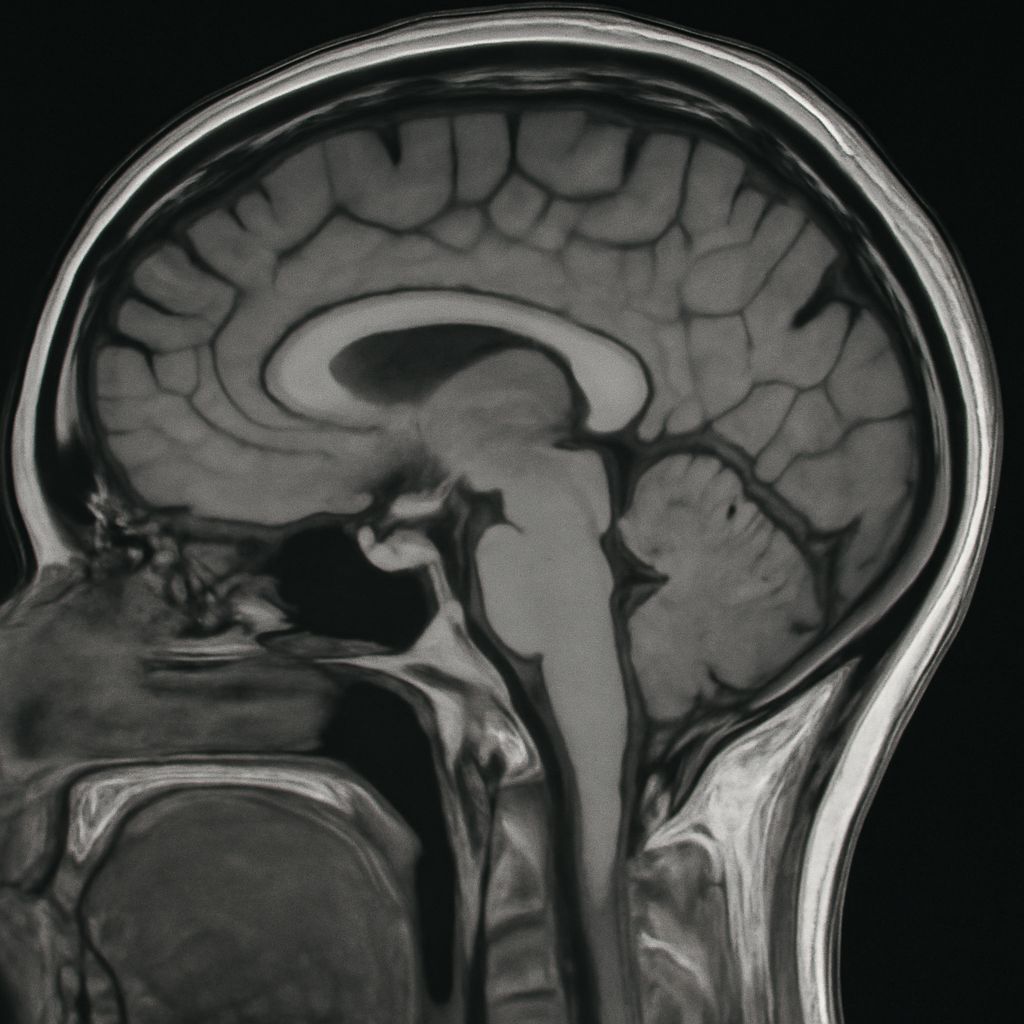
Structures Visible on an MRI Scan Spine A lumbar spine MRI produces cross-sectional images using magnetic fields and radio waves. The technology is particularly useful for visualizing soft tissue structures that are invisible on standard X-rays. Discs, ligaments, the spinal cord, and nerve roots all appear clearly on MRI images.
Common findings on a lumbar MRI include disc herniation (when disc material bulges or ruptures into the spinal canal), spinal stenosis (narrowing of the canal that can compress nerves), degenerative disc disease, spondylolisthesis (vertebral slipping), and in some cases, tumors or infections. The scan captures these structures in multiple planes, giving the radiologist a complete three-dimensional picture.
Contrast-enhanced MRI lumbar imaging uses an injected dye to highlight areas with active inflammation or abnormal blood flow. Not every patient needs contrast—it is more commonly used when infection, tumor, or post-surgical evaluation is the concern.
Reading Your L Spine MRI Report
Radiology reports from an l spine mri include descriptions of each vertebral level, disc height, nerve root appearance, and any abnormalities found. Terms like “mild disc bulge at L4-L5” or “moderate foraminal narrowing at L5-S1” describe specific findings at specific locations in the lumbar spine.
A radiologist interprets the MRI scan spine images and generates the report, but it is your treating provider who translates that report into a clinical recommendation. Always review findings with your ordering physician rather than interpreting the report alone.
How Much Does an MRI Cost?
Factors That Affect MRI Lumbar Pricing The cost of getting an mri lumbar scan depends heavily on where the scan is performed. Hospital-based imaging typically costs more than an outpatient imaging center. Geographic region also plays a role—prices vary significantly between urban and rural markets.
Without insurance, a lumbar MRI generally runs between $400 and $3,500 depending on facility type, location, and whether contrast is used. Freestanding imaging centers and radiology-specific clinics tend to offer lower prices than hospital outpatient departments for the same MRI scan of the spine.
Insurance vs. Out-of-Pocket Costs
With insurance, your actual cost depends on your plan’s coverage for diagnostic imaging, your deductible status, and whether the facility is in-network. Some plans require prior authorization before an MRI. If coverage is denied, patients can often appeal using the clinical notes from their ordering provider.
Patients without insurance or with high deductibles can contact imaging centers directly to request cash-pay pricing, which is sometimes 40 to 60 percent less than the standard billed rate.
Next Steps After Your Lumbar MRI
Once your lumbar MRI is completed, the report typically reaches your provider within 1 to 3 business days. Schedule a follow-up appointment to review findings rather than waiting for a call. Bring any prior imaging studies if you have had previous spine scans—comparison imaging helps your provider assess whether changes have occurred over time. If findings require specialist input, your provider may refer you to a spine surgeon, neurologist, or physical therapist depending on what the mri lumbar images show. Understanding the imaging results before that appointment helps you ask more specific questions about treatment options.