Heart Ablation: Understanding the Procedure and Its Benefits
Heart rhythm disorders, or arrhythmias, affect millions worldwide, leading to symptoms like palpitations, dizziness, and even heart failure. For those battling these conditions, cardiac ablation emerges as a crucial solution to restore normal heart rhythms. This procedure, known as heart ablation, is vital for managing these disorders and improving the quality of life for many patients.
Cardiac ablation involves targeting the root cause of arrhythmias by eliminating or modifying the heart tissue responsible for the irregular heartbeats. Understanding the ablation procedure, its benefits, and potential risks can help patients make informed decisions about their healthcare journey.
Introduction to Heart Ablation
Heart ablation is a medical procedure aimed at correcting heart rhythm problems. It involves destroying small areas of heart tissue that disrupt electrical signals, causing arrhythmias. By doing so, the heart can beat more regularly, reducing symptoms and improving overall health.
This specialized procedure has become a cornerstone in treating various types of arrhythmias, offering a pathway to regain a stable and healthy cardiac rhythm. Through precise application, ablation targets the precise heart tissue causing the disorder, often resulting in long-term relief.
Why Is Cardiac Ablation Needed?
Cardiac ablation is necessary for individuals experiencing severe arrhythmias that do not respond to medication. These heart rhythm disorders can lead to significant discomfort, fatigue, and even life-threatening conditions if left untreated.
Patients with arrhythmias often deal with the unpredictability of their condition, making daily life challenging. Ablation surgery provides an option to eliminate the troublesome heart tissue, offering hope for a symptom-free future.
Heart ablation is often considered when lifestyle changes and medications fail to control arrhythmia symptoms effectively. It serves as a decisive intervention to restore normal heart function and prevent potential complications.
How Ablation Surgery Works
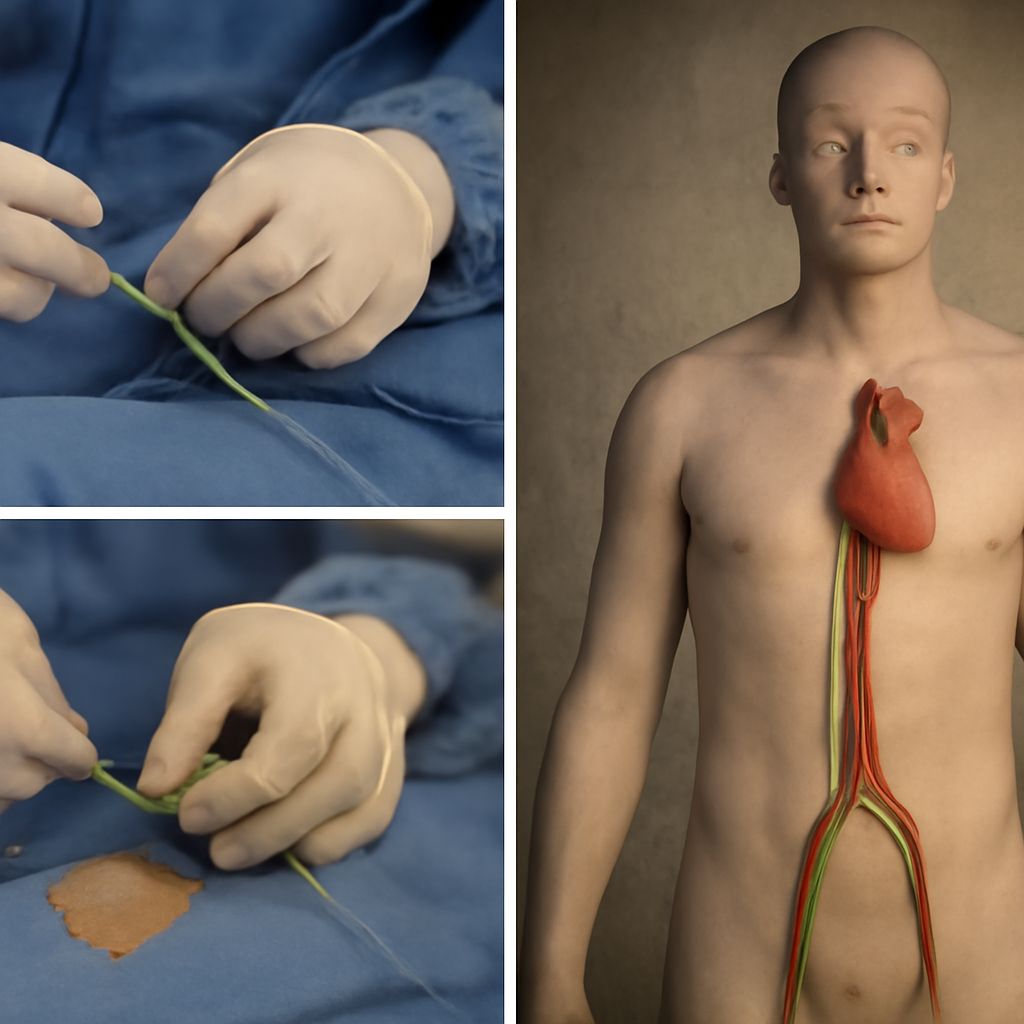
Ablation surgery involves threading a catheter through the blood vessels to the heart, where it targets the problematic tissue. This procedure requires precision and expertise, as it aims to either destroy or isolate the tissue causing irregular heartbeats.
The ablation procedure can be performed using various energy sources, such as radiofrequency or cryotherapy, to achieve the desired effect on the heart tissue. The main goal is to disrupt the faulty signals causing arrhythmias, ensuring the heart can maintain a steady rhythm.
The procedure generally requires only a short hospital stay, and many patients can resume normal activities soon after. The minimally invasive nature of cardiac ablation makes it an attractive option for those seeking effective treatment with quicker recovery times.
Types of Ablation Procedures
Several types of ablation procedures are available, each tailored to specific arrhythmia types and patient needs. The most common are radiofrequency ablation and cryoablation, which use heat and cold, respectively, to address heart tissue abnormalities.
Another approach is laser ablation, which involves using concentrated light energy to target and eliminate the source of arrhythmias. The choice of procedure often depends on the specific condition and the patient’s overall health.
Regardless of the technique, the primary aim is to restore the heart’s normal electrical pathway, ensuring regular heartbeats and reducing symptoms associated with erratic heart rhythms.
Recovery and Aftercare Following Ablation
After undergoing heart ablation, patients typically experience a swift recovery, though individual experiences may vary. Most can return home within a day or two and resume normal activities shortly thereafter.
Post-procedure care is crucial to ensure a successful recovery. Patients are advised to follow their healthcare provider’s instructions carefully, including taking prescribed medications and attending follow-up appointments.
Monitoring for any signs of complications, such as infection or new arrhythmias, is an essential part of aftercare. Adhering to a healthy lifestyle, including regular exercise and a balanced diet, supports long-term heart health post-ablation.
Potential Risks and Benefits of Heart Ablation
While cardiac ablation offers significant benefits, it is not without risks. Potential complications may include bleeding, infection, or damage to blood vessels. However, these risks are relatively low, and the procedure’s benefits often outweigh the potential downsides.
The advantages of undergoing a heart ablation procedure include the substantial reduction or complete elimination of arrhythmia symptoms. Many patients experience improved heart function, increased energy levels, and a better quality of life.
For those grappling with persistent arrhythmias, heart ablation represents a powerful tool to address the underlying causes and provide enduring relief. By carefully weighing the risks and benefits, patients can make informed decisions about their treatment options.
Key takeaways: Cardiac ablation is a vital procedure for correcting heart rhythm disorders, offering relief from arrhythmia symptoms and improving quality of life. While the procedure involves some risks, its benefits in restoring normal heart function are significant. Proper aftercare is essential for a successful recovery and long-term heart health.