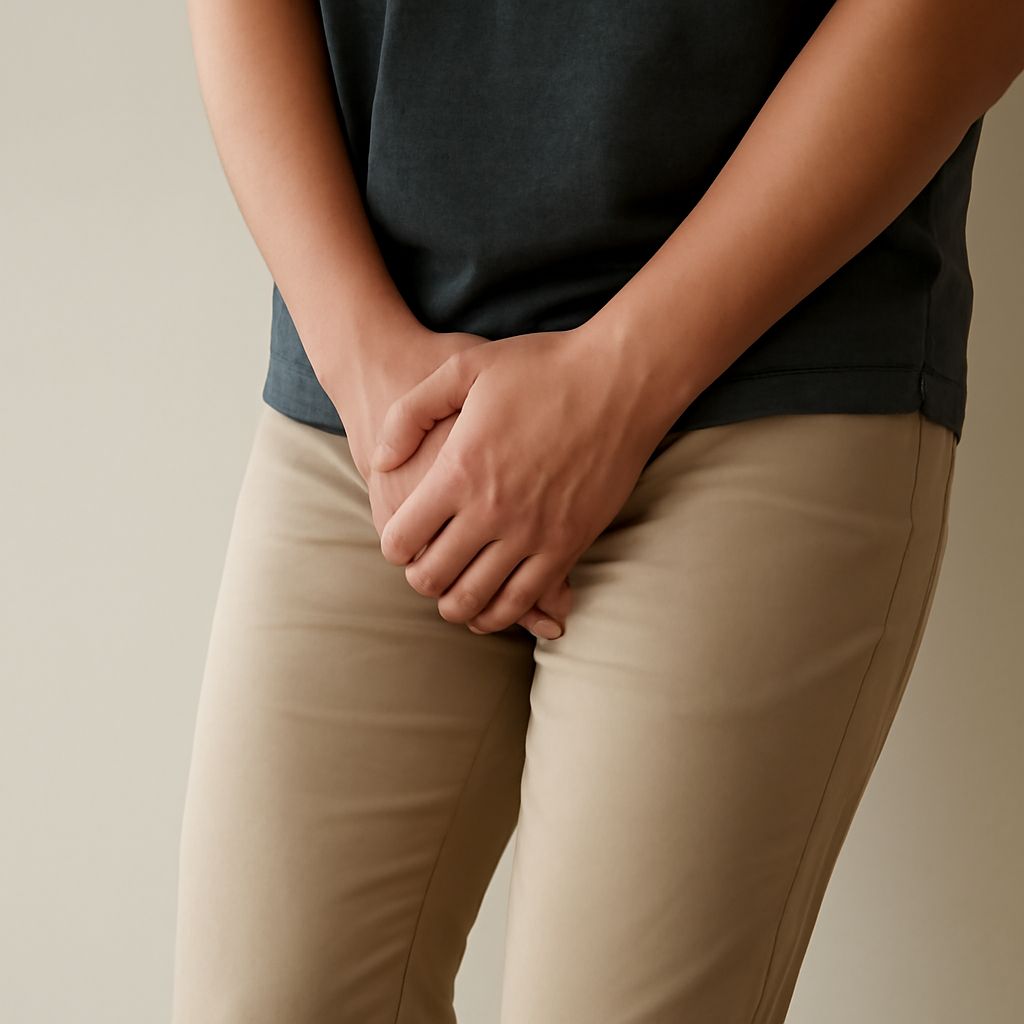
Frequent Urination: Understanding When to Be Concerned
Many individuals find themselves wondering, “How many times should you pee a day?” This is a common concern, especially when frequent urination interrupts daily activities or affects sleep. While the urge to urinate frequently can be innocuous, it may also signal underlying health issues requiring professional attention. Understanding how often you should pee and recognizing when the habit becomes excessive are crucial for maintaining your health.
Frequent urination might be a cause for concern if accompanied by discomfort or other symptoms. In such cases, consulting a healthcare professional is advisable to rule out any serious conditions. This article will delve into what constitutes frequent urination, the normal range for daily urination, factors influencing these numbers, and when it might be time to seek medical advice.
What Is Frequent Urination?
Frequent urination is characterized by the need to urinate more often than usual. It can disrupt everyday life, waking you up several times at night or causing interruptions during daytime activities. The frequency with which people urinate varies, but generally, urination past the typical range could classify as frequent.
Frequent urination can be defined differently for everyone, depending on fluid intake, lifestyle, and individual health factors. If the number of times you visit the restroom exceeds your regular pattern and disrupts your routine, it might be worth exploring the reasons behind this change.
How Many Times Should You Pee a Day?
On average, a healthy individual urinates between six and eight times over 24 hours. However, some people may need to go more frequently, which can still fall within the norm. The frequency of urination depends on several factors, including how much you drink and your overall health.
How often you should pee can vary widely. For instance, if you consume large amounts of fluids, especially caffeinated beverages, you might find yourself urinating more often. Similarly, medications like diuretics can increase urinary frequency, pushing your visits to the bathroom beyond the typical range.
Factors Influencing How Often You Should Pee
Several elements can impact how many times you urinate daily. Fluid intake is a primary factor—more fluids will naturally lead to increased urination. Additionally, the type of fluid matters; caffeinated and alcoholic beverages are known to have diuretic effects, prompting more frequent urination.
Beyond fluid consumption, individual lifestyle and health conditions, such as stress levels or pregnancy, can also influence urinary frequency. For instance, anxiety can lead to heightened awareness of the need to urinate, while pregnancy can increase the urge to go due to pressure on the bladder.
Medications, especially those designed to expel excess fluids from the body, like diuretics, can significantly affect urination frequency. Therefore, if you notice an uptick in how frequently you need to relieve yourself, reviewing your current medications can be enlightening.
Why Do I Feel Like I Have to Pee All the Time?
Feeling like you constantly need to urinate can stem from various causes. Urinary tract infections (UTIs) are a common culprit, often leading to persistent urges to urinate, even if little comes out. Other potential causes include bladder irritations, overactive bladder syndrome, or more serious conditions like diabetes.
Constantly feeling the need to urinate might also relate to lifestyle choices. Consuming a diet high in diuretics, like caffeine, or consuming excess fluids can lead to increased bathroom visits. Stress and anxiety can exacerbate the sensation of needing to urinate frequently, as can certain medical conditions.
If a sudden change in your urination pattern occurs without an apparent reason, it’s important to consider these diverse factors. Recognizing unusual symptoms early can help guide you towards the right course of action.
When to See a Doctor
Determining when frequent urination warrants medical attention can be challenging. As a general rule, if the frequency is accompanied by pain, discomfort, or other unusual symptoms like blood in the urine, it’s time to consult a healthcare provider. These could be signs of a UTI or other underlying conditions that need addressing.
Another indicator that it’s time to seek professional advice is if the frequent urination severely impacts your quality of life. When lifestyle modifications don’t seem to alleviate the symptoms, a medical evaluation is recommended to rule out serious health concerns.
Being proactive about your health can prevent minor symptoms from developing into more significant issues. Regular check-ups and open communication with your healthcare provider can help maintain a healthy lifestyle, ensuring that your bladder is functioning as it should.
Safety recap: If frequent urination affects your daily life or is accompanied by pain, don’t hesitate to seek medical advice. Proper diagnosis and treatment can alleviate discomfort and prevent the escalation of potential health issues.