Understanding Ultrasound Therapy: Benefits and Considerations
Ultrasound therapy has emerged as a popular treatment option in the field of physical rehabilitation, offering potential benefits for pain relief and tissue healing. However, understanding the nuances of this technology, including the potential ultrasound therapy dangers, is crucial for making informed decisions. This article delves into the differences between 1 MHz and 3 MHz ultrasound, the debate on pulsed vs continuous ultrasound, and how therapeutic ultrasound frequency plays a role in treatment outcomes.
What is Ultrasound Therapy?
Ultrasound therapy involves the use of sound waves to penetrate tissues, aiming to promote cellular healing and reduce pain. This form of therapy is often integrated into rehabilitation plans to enhance recovery. Utilizing sound waves, the therapy targets specific areas to increase blood flow, relax muscles, and potentially expedite the healing process.
Ultrasound is utilized in settings ranging from sports medicine to chronic pain management. The technology itself operates by delivering sound waves at varying frequencies, which can be adjusted according to the type of injury and desired therapeutic outcome.
Exploring Ultrasound Therapy Dangers
While many have experienced relief from ultrasound treatments, there are inherent risks that come with its use. Recognizing the potential dangers of ultrasound therapy can help practitioners and patients take necessary precautions. For instance, excessive exposure can lead to tissue damage or burns, especially if the equipment is not used properly.
Another concern includes the risk of cavitation, where rapid temperature changes might affect cellular integrity. While these risks are generally minimized by experienced professionals following best practices, awareness is paramount to prevent adverse effects during sessions.
Comparing 1 MHz vs 3 MHz Ultrasound
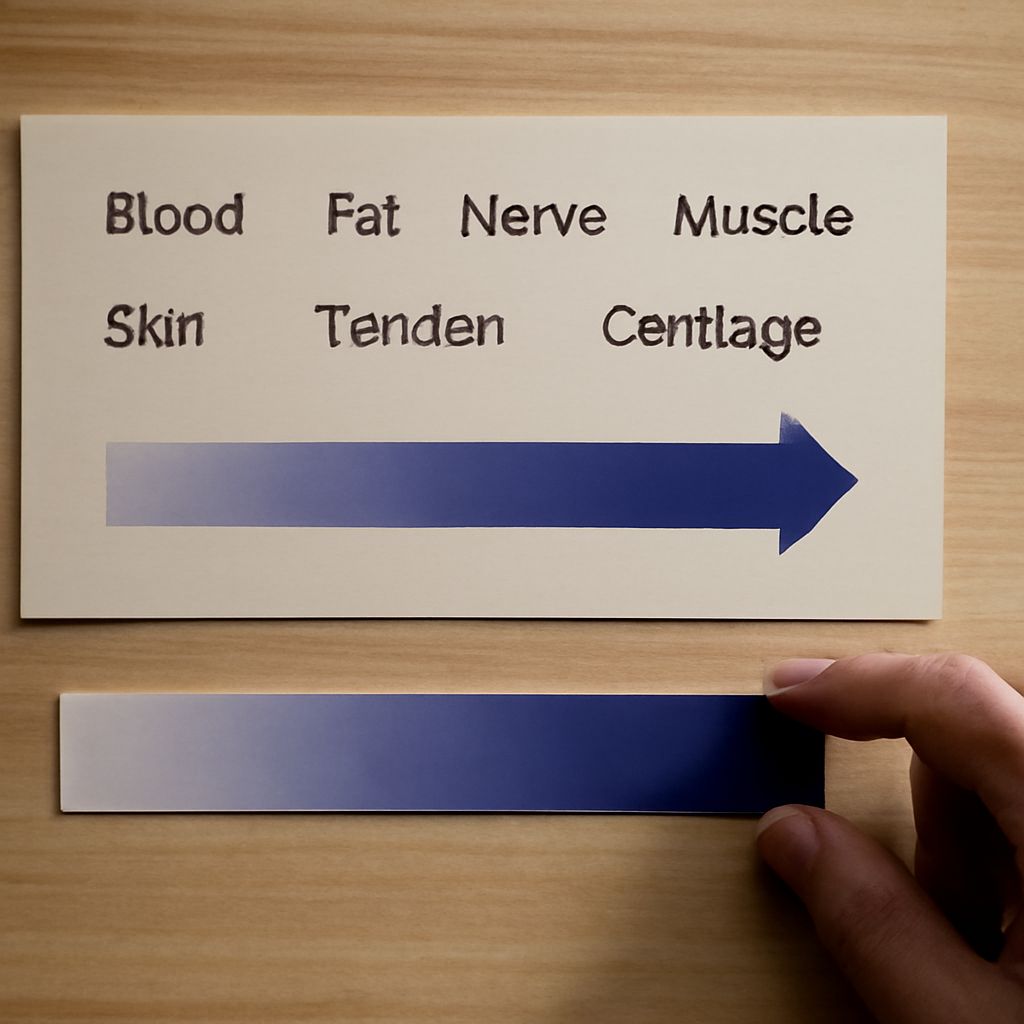
The choice between 1 MHz and 3 MHz ultrasound depends largely on the target tissue depth. A 1 MHz frequency is typically employed for deeper tissues, as its longer wavelength can penetrate further beneath the skin’s surface. This makes it suitable for treating conditions affecting deep muscle layers or joints.
Conversely, 3 MHz ultrasound is effective for more superficial issues, such as those involving tendons or ligaments close to the skin. The shorter wavelength at this frequency better suits targeted, shallow applications, offering a concentrated therapeutic effect.
Understanding these differences aids professionals in customizing treatments based on individual patient needs, enhancing the efficacy and safety of ultrasound therapy.
Pulsed vs Continuous Ultrasound: Which is Better?
In the debate of pulsed vs continuous ultrasound, the choice often hinges on the treatment goals. Pulsed ultrasound delivers sound waves in intervals, allowing for reduced thermal effects. This mode is generally favored for acute injuries where minimizing heat is beneficial.
Continuous ultrasound, in contrast, provides a steady stream of sound waves, which can help in chronic conditions by promoting tissue elasticity and blood circulation. The constant application generates more heat, which can be advantageous for long-term muscle tension relief.
Selecting between these methods involves evaluating the patient’s specific condition, as well as the desired outcomes of therapy. Both methods have their merits, and the decision should be tailored to the individual’s therapeutic objectives.
Understanding Therapeutic Ultrasound Frequency
The therapeutic ultrasound frequency used during treatment is pivotal in determining the treatment’s overall effectiveness. Frequencies are adjusted to match the nature of the injury and the treatment depth required. This precision ensures that the energy delivered is optimal for the intended healing effects.
Moreover, the frequency dictates how energy is absorbed by tissues, influencing both thermal and mechanical effects. A precise understanding of therapeutic ultrasound frequency enables practitioners to optimize treatment protocols, aligning them with patient-specific recovery needs.
Ensuring the correct frequency application not only maximizes therapeutic gains but also mitigates potential risks, solidifying ultrasound therapy’s role as a safe, effective treatment modality.
Safety recap: When engaging in ultrasound therapy, safety is paramount. Awareness of proper equipment handling and adherence to best practices ensures the minimization of risks. Always consult with a certified professional to customize treatment plans, leveraging the full potential of therapeutic ultrasonics.