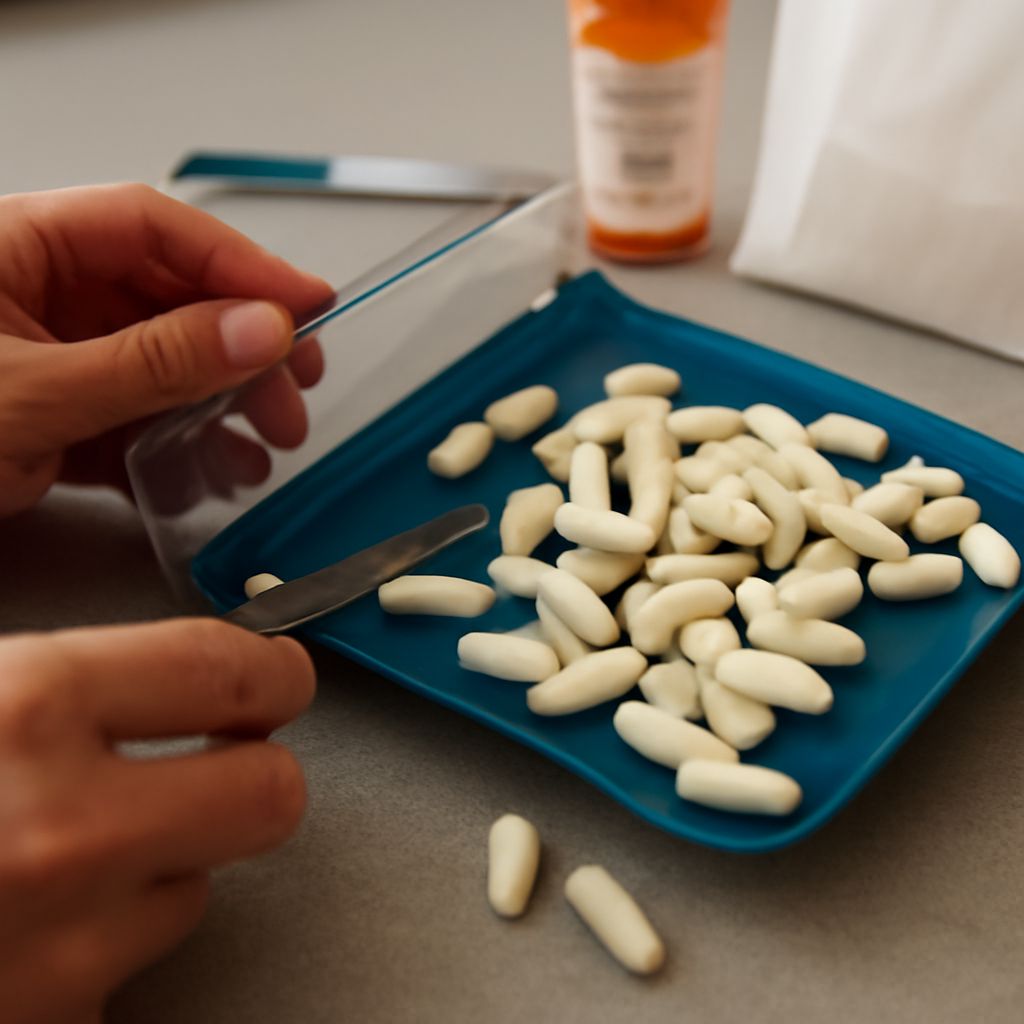
How Long Are Antibiotics Good For? Understanding Expiry and Safety
The importance of antibiotics in modern medicine cannot be overstated, yet many find themselves facing a dilemma when they discover a forgotten bottle in their medicine cabinet. Do antibiotics go bad? The answer is crucial to ensuring not only their effectiveness but also your safety. Understanding when antibiotics expire and the potential health risks associated with taking expired antibiotics can help you make informed decisions about your health care.
While manufacturers provide expiry dates on antibiotic packaging, confusion often arises regarding what those dates mean and how strictly they should be adhered to. This article explores the lifespan of antibiotics, how to interpret expiry information, and whether it is safe to consume antibiotics past their designated expiry dates.
Do Antibiotics Go Bad? Understanding Shelf Life
Factors Affecting Antibiotic Shelf Life The shelf life of antibiotics, like any medication, is influenced by various factors including storage conditions and chemical stability. Proper storage is vital to maintain their potency. Typically, antibiotics should be kept in a cool, dry place, away from direct sunlight to extend their usability period.
Temperature fluctuations can significantly affect the chemical composition of antibiotics. Exposure to heat or moisture may accelerate their degradation, making them less effective over time. Thus, always store antibiotics as per the guidelines provided by healthcare professionals to maximize their shelf life.
Furthermore, the formulation of the antibiotic—whether it is in liquid or pill form—also impacts its longevity. Liquids generally have a shorter shelf life compared to tablets or capsules due to their susceptibility to contamination and quicker degradation.
Signs Your Antibiotics Might Have Expired
Recognizing indicators that antibiotics may have expired is crucial. Changes in color, smell, or consistency are clear signs that they may no longer be safe to use. For instance, if a liquid antibiotic appears discolored or emits a strange odor, it is likely compromised.
Additionally, physical changes in tablets, such as crumbling or discoloration, can signal decreased potency. If you suspect your antibiotics are expired, it is advisable to consult with a healthcare provider before proceeding with any further use.
When Do Antibiotics Expire? Reading Labels and Expiry Dates
Decoding Expiry Dates on Antibiotics Understanding how to read expiry dates is essential for the safe use of antibiotics. Typically found on the packaging, these dates indicate the last day the manufacturer guarantees full potency and safety of the medication. Regularly checking these dates helps prevent the use of ineffective or potentially harmful antibiotics.
While most medications have clear expiration labels, it’s important to note that these dates are based on optimal storage conditions. If antibiotics have been improperly stored, their effective period could be reduced even if the expiry date has not yet passed.
What Happens After Expiry: Risks and Considerations
Once antibiotics surpass their expiry date, their chemical composition may alter, resulting in reduced effectiveness and potential safety risks. Degraded antibiotics may not adequately treat infections, leading to prolonged illness or the development of antibiotic resistance.
Aside from reduced efficacy, taking expired antibiotics can pose health risks including adverse reactions. Therefore, it is generally advised not to use antibiotics beyond their expiry date unless directed by a healthcare professional with consideration of specific circumstances.
Taking Expired Antibiotics: Risks and Safety Concerns
Potential Health Risks of Expired Antibiotics
Using expired antibiotics can lead to serious health complications. These medications might not only fail to treat the infection but could also cause unexpected side effects due to the breakdown of their active ingredients. This deterioration can be harmful, making it imperative to heed expiry warnings.
In some cases, using degraded antibiotics can lead to the proliferation of resistant bacteria, exacerbating the issue of antibiotic resistance and reducing the effectiveness of future treatments.
Can I Take Expired Antibiotics? Expert Advice
So, can you take expired antibiotics? According to healthcare experts, it is generally advised against using medications past their expiration dates. While some antibiotics might retain partial effectiveness, the risk of reduced efficacy and potential health hazards often outweigh any perceived benefits.
Consulting a medical professional is crucial if you are considering the use of expired antibiotics. They can provide guidance tailored to your specific medical needs and help determine the safest and most effective course of action. By prioritizing up-to-date medical advice and adhering to prescribed treatments, you ensure optimal care and mitigate health risks associated with expired medications.