Lepto Vaccine Side Effects in Dogs: What Owners Should Know
Lepto Vaccine Side Effects in Dogs: What Owners Should Know
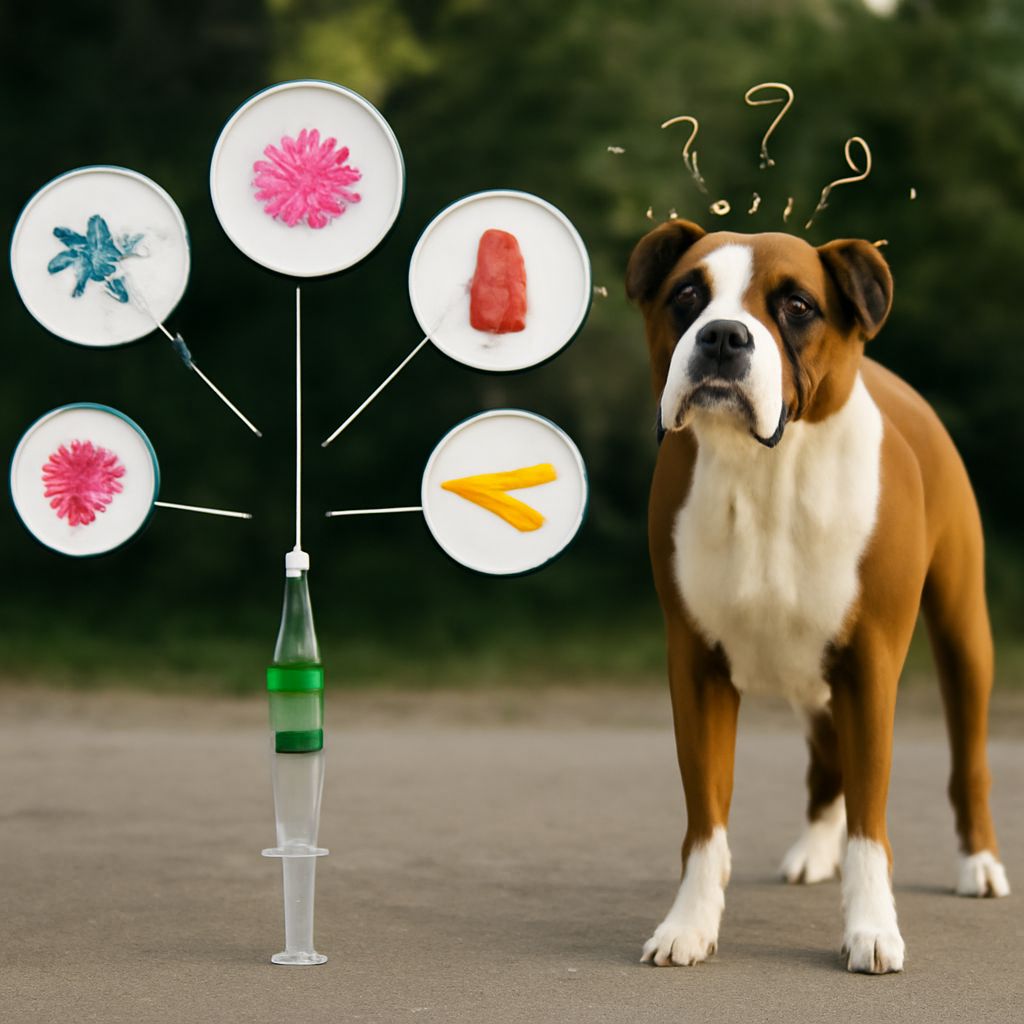
Leptospirosis is a bacterial disease spread through contaminated water and urine, making vaccination a reasonable protective measure for at-risk dogs. Understanding lepto vaccine side effects helps owners watch for problems after their dog receives the injection. The canine leptospirosis vaccine has a higher rate of adverse reactions than most other dog vaccines, particularly in small breeds. The canine coronavirus vaccine is a separate product sometimes administered alongside other core vaccines, but it has its own distinct reaction profile. A leptospirosis vaccine reaction can range from mild injection-site soreness to serious anaphylaxis in rare cases. Knowing the genuine lepto vaccine dangers helps owners make informed decisions with their veterinarian rather than avoiding vaccination based on fear alone.
Common and Rare Side Effects After the Lepto Vaccine
Most dogs experience only mild, short-lived reactions after the canine leptospirosis vaccine. Common signs include lethargy, reduced appetite, and soreness at the injection site lasting 24–48 hours. Facial swelling, hives, vomiting, and diarrhea are less common but indicate a more significant leptospirosis vaccine reaction and warrant a call to your veterinarian. Anaphylaxis—rapid breathing, collapse, pale gums, and severe weakness—is rare but a genuine lepto vaccine danger that requires emergency treatment. Small and toy breeds under 10 pounds have a statistically higher rate of adverse reactions following vaccination with the lepto vaccine compared to larger dogs. Vets in areas where leptospirosis exposure risk is low may recommend delaying or skipping the vaccine for very small dogs to reduce reaction risk.
How the Canine Coronavirus Vaccine Compares
The canine coronavirus vaccine is generally considered non-core by most veterinary organizations, meaning it’s not universally recommended. It protects against a dog-specific coronavirus unrelated to SARS-CoV-2. Side effects from the canine coronavirus vaccine are typically mild—injection site sensitivity, temporary lethargy, and minor GI upset. Unlike the lepto vaccine, serious adverse reactions to the canine coronavirus vaccine are uncommon. Discussing both vaccines with your vet helps you understand which are appropriate for your dog’s lifestyle and geographic risk factors.
Monitoring Your Dog After Vaccination
After any vaccination, observe your dog for at least 30–60 minutes at the clinic if possible, particularly after the first dose of the canine leptospirosis vaccine. Small dogs with no prior vaccination history are at greatest risk for a leptospirosis vaccine reaction and should be watched closely. Pre-medicating with an antihistamine before vaccination is sometimes recommended by veterinarians for dogs with prior adverse reactions, but this decision should always go through your vet. Spreading out vaccines—giving the lepto vaccine at a separate visit from other injections—can help identify which product caused a reaction if one occurs. Key takeaways: lepto vaccine side effects are more common than with most other vaccines, especially in small breeds; serious reactions are rare but require immediate veterinary care; and the decision to vaccinate should weigh individual exposure risk against each dog’s reaction history.