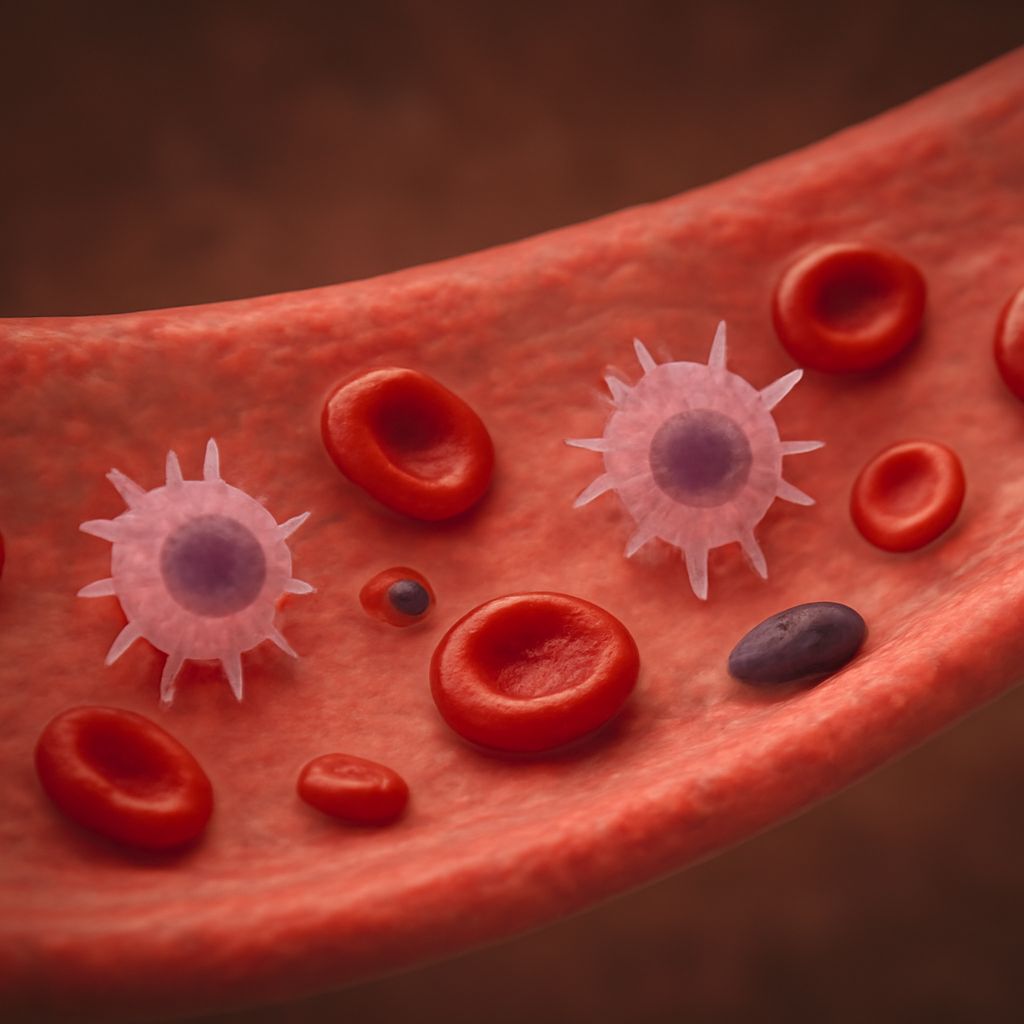
Most Common Blood Type and Its Importance
In emergency medical situations, the availability of the right blood type can mean the difference between life and death. Recognizing the universal donor blood type is essential for healthcare providers to respond swiftly and effectively. Often, misconceptions persist about which blood type is the universal donor, leading to confusion. Understanding these differences can enhance emergency preparedness and improve outcomes.
The prevalence of the most common blood type also plays a significant role in managing blood supplies efficiently. With insights into O negative blood type facts, individuals and healthcare institutions can make informed decisions regarding blood donations and transfusions. This article explores these crucial blood type topics to provide clarity and knowledge.
Introduction to Blood Types
Blood types are categorized based on the presence or absence of specific antigens on the surface of red blood cells. These antigens determine compatibility between donors and recipients. The ABO system and the Rh factor are the primary classifications, resulting in eight main blood types: A+, A-, B+, B-, AB+, AB-, O+, and O-.
While these categories might seem straightforward, the implications of each type, especially in emergency medical services, are profound. Blood transfusions require precise matches to prevent adverse reactions, making the understanding of blood types essential for medical professionals.
Understanding the Most Common Blood Type
The most prevalent blood type varies across different populations and regions. Globally, the O+ blood type is the most widespread. People with this blood type have the Rh factor but lack A and B antigens, which makes them suitable donors for any Rh-positive recipient. This widespread occurrence makes O+ a highly valuable resource in blood banks.
In many places, O+ blood is readily available, reflecting its commonality. However, a large supply does not diminish its importance. The constant demand for O+ blood in emergencies underscores its critical status in healthcare.
The Universal Donor Blood Type Explained
Universal donor blood type refers to a blood type that can be safely transfused to most patients in urgent situations, regardless of their individual blood type. This capability is primarily attributed to the absence of A and B antigens, which often trigger immune responses in recipients.
Among all blood types, O negative is the quintessential universal donor. Its lack of A, B, and Rh antigens allows it to be given to patients of any blood type without causing a transfusion reaction. This compatibility is especially crucial when time is of the essence, such as in trauma cases or during surgeries.
Which Blood Type Is the Universal Donor?
Within the realm of blood donation, O negative blood holds the title of being the universal donor. Despite being rare, its unparalleled ability to be universally accepted makes it indispensable during medical emergencies.
In scenarios where a patient’s blood type is unknown, O negative blood can be safely administered, buying precious time until a precise match is found. This invaluable trait makes it a staple in hospitals and emergency clinics worldwide.
O Negative Blood Type Facts
The O negative blood type is unique not only for its universal donor capabilities but also for its relative scarcity among the population. This rarity enhances its value and often leads to increased demand, especially in regions with diverse patient demographics.
Those with the O negative blood type are encouraged to donate regularly to maintain an adequate supply. Blood banks frequently emphasize the importance of these donations, given that O negative can save lives across various blood types.
Additionally, individuals with O negative blood are often referred to as “universal donors” in the context of emergencies, highlighting their crucial role in saving lives.
Conclusion
The significance of understanding blood types, especially the most common blood type and the universal donor blood type, cannot be overstated. The ability to identify and utilize the O negative blood type effectively is a cornerstone of emergency medicine and transfusion services.
Key takeaways: Recognizing the universal donor role of O negative blood is vital for emergency medical preparedness. Awareness of the most common blood types ensures efficient blood bank management and preparedness for critical situations. Regular donations from O negative individuals are essential to maintain this life-saving resource.