Antibiotics Before Dental Work: What You Need to Know
The question of whether antibiotics are necessary before dental procedures is a common dilemma for many patients, especially those with pre-existing conditions. While antibiotics can prevent infections, they are not universally required for every dental appointment. Understanding when antibiotics are essential helps in making informed decisions, ensuring both safety and efficacy in dental care. This article explores the critical moments when antibiotics are not just advised but imperative, such as before tooth extraction or following knee replacement surgery. By the end, you’ll have a comprehensive view of the guidelines on antibiotics before dental work, including dosage considerations.
Understanding the Role of Antibiotics Before Dental Work
Antibiotics are often prescribed before dental work to prevent bacterial infections that may arise during or after surgery. These medications act as a protective barrier, especially for individuals with certain medical conditions that make them more susceptible to infections. The primary aim of antibiotics is to reduce the risk of bacteria entering the bloodstream during dental procedures.
Infection control is the cornerstone of dental practices, and antibiotics play a crucial role in this preventive strategy. Patients with weakened immune systems or heart conditions are often recommended this protective measure. However, it is essential to note that indiscriminate use of antibiotics can lead to resistance, making it crucial to adhere to professional guidelines.
Who Needs Antibiotics Before Dental Work?
Not everyone requires antibiotics prior to dental work. This precaution is generally reserved for patients with specific conditions such as artificial heart valves, a history of infective endocarditis, or certain congenital heart defects. Medical professionals evaluate the risk factors before recommending antibiotics to ensure that they are used only when absolutely necessary to ward off potential infections.
Furthermore, patients with compromised immune systems, such as those undergoing cancer treatments or with certain chronic illnesses, might also be advised to take antibiotics. The decision is made after a thorough medical evaluation to balance the benefits of preventing infection against the risk of unnecessary antibiotic exposure.
Antibiotics Before Tooth Extraction: When and Why
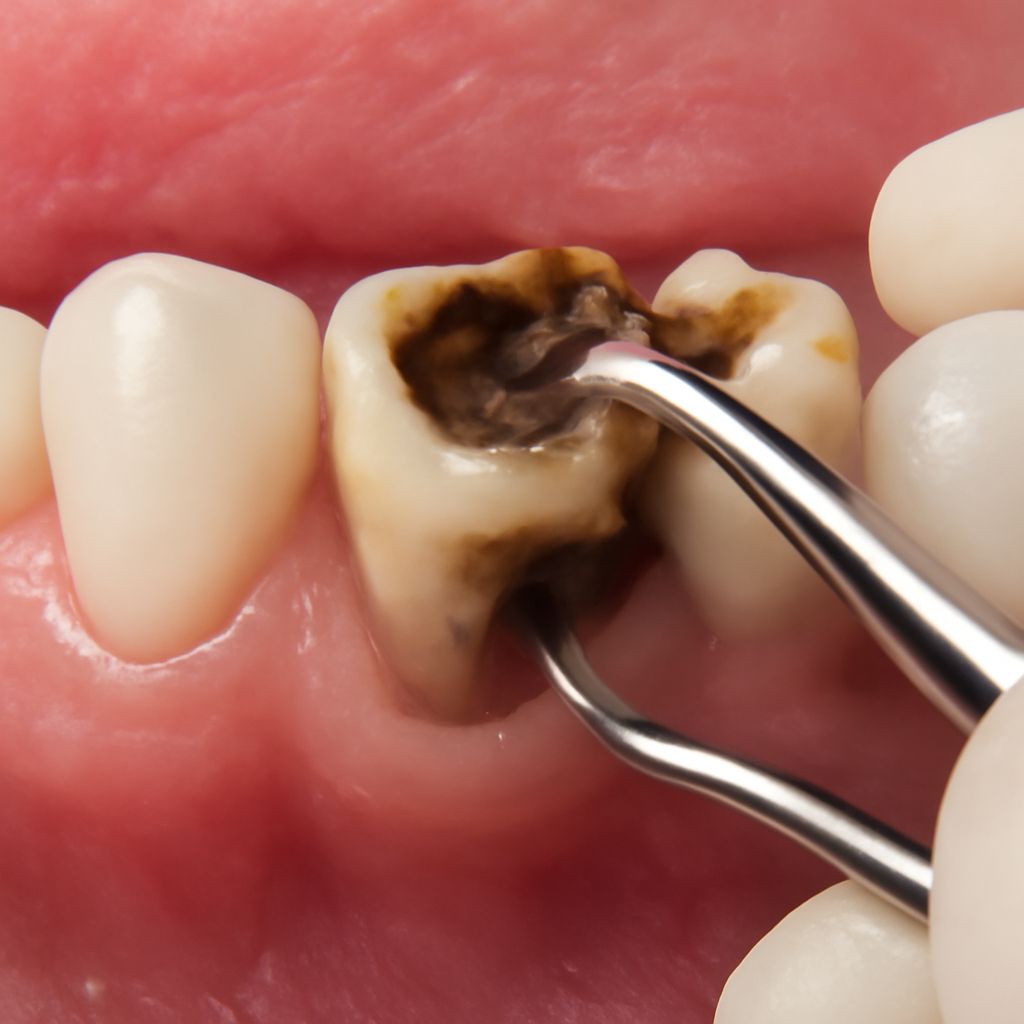
Tooth extraction is one of the most common dental procedures where antibiotics may be considered. The mouth is a natural habitat for bacteria, and any surgical intervention can potentially introduce these bacteria into the bloodstream. In certain cases, especially where there is an existing infection, antibiotics are prescribed to manage and mitigate the spread of bacteria.
For patients with specific health concerns, like heart conditions or weakened immunity, taking antibiotics before a tooth extraction can be a critical step. These medications serve as a precautionary measure to prevent potential complications that could arise due to bacterial infections following the procedure.
Antibiotics Before Dental Work After Knee Replacement
Why It’s Necessary
Individuals who have undergone knee replacement surgery are at a higher risk of developing infections following dental procedures. The introduction of bacteria into the bloodstream can potentially migrate to the prosthetic joint, leading to serious complications. This risk makes it imperative for these patients to take antibiotics before any invasive dental work.
Infection around a knee prosthesis can have severe consequences, including the potential need for further surgery. Antibiotics act as a safeguard, minimizing the risk of infection and ensuring the longevity of the knee replacement.
Recommended Antibiotics and Dosage
The choice of antibiotics and their dosage before dental procedures in patients with knee replacements is determined by healthcare professionals. Amoxicillin is commonly prescribed due to its effectiveness against a broad range of bacteria. The typical dosage may vary, but it generally involves taking the antibiotic one hour before the dental procedure.
For those allergic to penicillin, alternative antibiotics like clindamycin may be recommended. It is crucial to follow the dosage instructions provided by your healthcare provider to ensure optimal protection against infection.
General Guidelines on Antibiotics Before Dental Work Dosage
Adhering to the correct dosage of antibiotics before dental procedures is vital to their effectiveness. Your healthcare provider will prescribe a dosage based on your specific health condition and the type of dental work being performed. Standard practice usually involves a single dose taken prior to the procedure to maximize its protective benefits.
It is important not to self-prescribe antibiotics or adjust the dosage without consulting a medical professional. Overuse or inappropriate use can reduce antibiotic effectiveness, leading to resistant strains of bacteria. Always follow the guidance of your dentist or doctor regarding antibiotic use.
Bottom line: Antibiotics before dental work are not a universal requirement but are essential for certain individuals with specific medical conditions. Understanding when and why they are necessary can prevent complications and ensure the success of both dental and medical treatments. Always consult with healthcare professionals to obtain personalized advice and dosage instructions.