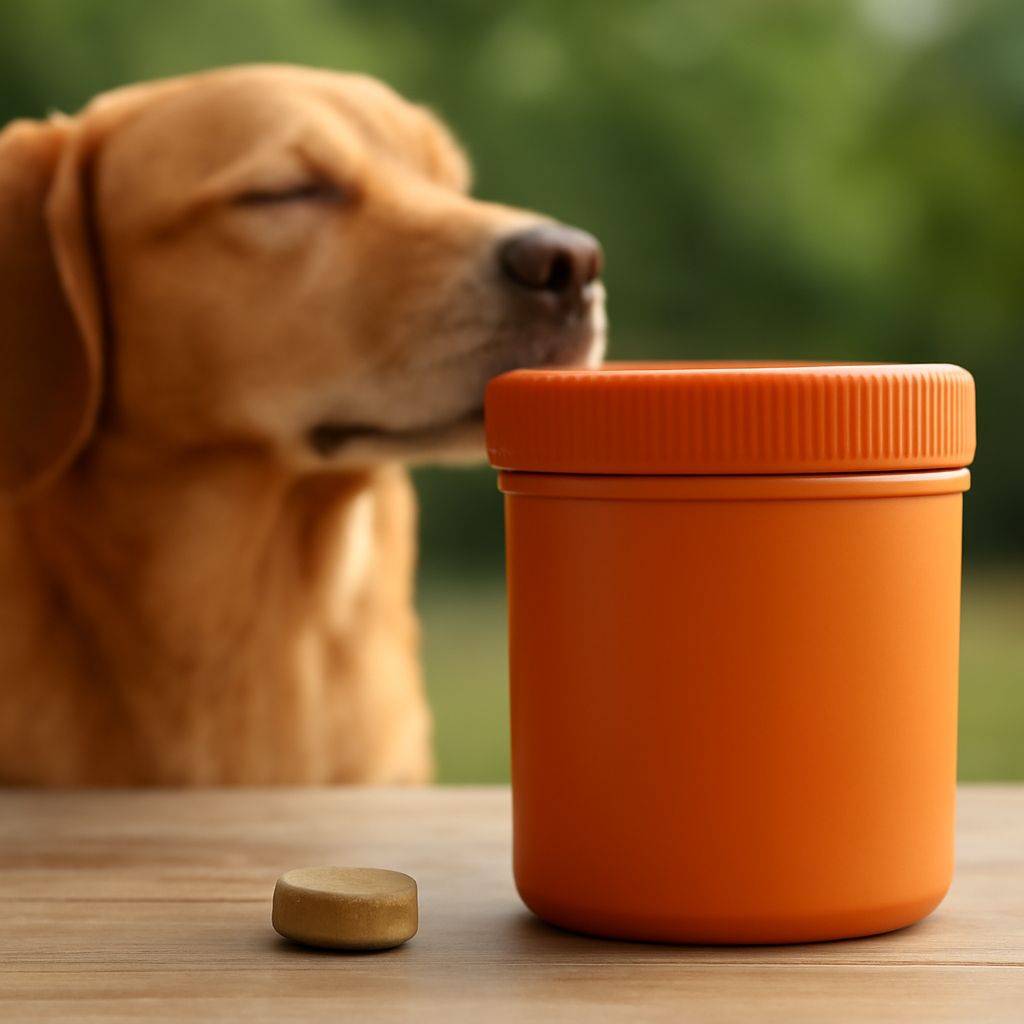
Antihistamine for Dogs: A Comprehensive Guide
Dogs, much like humans, can suffer from allergies and irritating mosquito bites. These conditions can lead to discomfort, itchiness, and even more severe health issues if not properly addressed. To help alleviate these symptoms, finding the best antihistamine for dogs becomes essential. This guide aims to explore various antihistamine options, including natural solutions, to ensure your furry friend’s comfort and well-being.
In the quest to find the best antihistamine for dog allergies, pet owners often wonder about the most effective and safest choices. While numerous over-the-counter options exist, understanding their effects and how they can aid in reducing allergic reactions and soothing mosquito bites is crucial. Let’s delve into a comprehensive understanding of antihistamines suitable for dogs.
Understanding Antihistamines for Dogs
Antihistamines are medications that counteract the effects of histamines—chemicals released during an allergic reaction. In dogs, antihistamines can help moderate symptoms such as itching and swelling. Knowing the right type and dosage is necessary to avoid adverse effects.
When considering how antihistamines work for dogs, it’s important to note that their effectiveness may vary based on the individual dog and the specific allergen involved. Some antihistamines are designed specifically for dogs, while others are adapted from human medications with vet guidance.
Administering antihistamines in a manner that suits your dog’s needs can significantly improve their quality of life. Professional advice from a veterinarian should be sought when determining which antihistamine is best for your dog’s allergy issues.
Best Antihistamine Options for Dogs
When selecting antihistamines for dogs, several options are available. Commonly used antihistamines include diphenhydramine, cetirizine, and loratadine, which have been found beneficial for many dogs.
Diphenhydramine, often available under the brand name Benadryl, is one of the most popular choices. This antihistamine can effectively relieve allergy symptoms like itching and swelling. However, it requires careful dosage consideration.
Cetirizine, commonly known as Zyrtec, offers another alternative with fewer sedative effects. It’s often recommended for dogs with mild allergy symptoms, providing relief without causing drowsiness.
Loratadine, also known as Claritin, is another option that may be used under veterinary guidance, especially for seasonal allergies affecting your dog.
Natural Antihistamine Solutions for Dogs
For those seeking a more holistic approach, natural antihistamine solutions can be a viable option. These alternatives often involve using ingredients that have inherent antihistaminic properties.
Quercetin, sometimes called “nature’s Benadryl,” is a flavonoid that can be found in various fruits and vegetables. It possesses anti-inflammatory and antioxidant properties that may help reduce allergy symptoms in dogs.
Bromelain, an enzyme found in pineapples, can enhance the effects of quercetin. It also aids in reducing inflammation and swelling, making it a helpful addition to a dog’s diet when dealing with allergies.
Omega-3 fatty acids, commonly found in fish oils, are known for their anti-inflammatory benefits and can support overall skin health. Including these in your dog’s diet can contribute to controlling allergy symptoms naturally.
Choosing the Best Antihistamine for Dog Allergies
When selecting the most suitable antihistamine for dog allergies, it’s crucial to consider the severity and type of allergy, along with any existing health conditions your dog may have.
Consulting with a veterinarian is key to determining the right antihistamine choice and dosage. Your vet can provide insights into how different medications might interact with other treatments your dog is receiving.
Additionally, monitoring your dog’s response to the medication is vital. Adjustments might be necessary, and your veterinarian can guide these changes based on your dog’s needs and reactions.
Using Antihistamines for Mosquito Bites on Dogs
Mosquito bites can be more than just a nuisance for dogs; they can lead to itchiness and skin irritation. Antihistamines can help alleviate the discomfort caused by these bites.
For mosquito bites, applying topical antihistamines can sometimes offer immediate relief. However, oral antihistamines might be necessary for widespread irritation.
Keeping your dog indoors during peak mosquito activity and using pet-safe mosquito repellents can minimize the risk of bites. If bitten, antihistamines can help soothe the bite area, reducing swelling and itching.
Ensuring your dog is comfortable and free from irritation is a priority. Antihistamines can play a significant role in maintaining their health, especially when dealing with allergies or mosquito bites.
Safety recap: When using antihistamines or managing color care for your dog, always prioritize safety by consulting with a veterinarian. Proper dosage and method of application are crucial to ensuring your pet’s health and comfort.