Prostate Biopsy Recovery: What to Expect
Undergoing a prostate biopsy can be concerning for many, with numerous questions about the procedure and what follows. The process may sound daunting, but understanding how a prostate biopsy is done can alleviate some fears. From learning about the types of procedures to pre-biopsy preparations, becoming well-informed can guide you through a smooth recovery. Managing potential symptoms, such as blood in urine after prostate biopsy, and addressing pain after a prostate biopsy, are crucial steps in the recovery journey.
Post-procedure, it’s natural to worry about discomfort and the presence of blood in urine. However, with the right knowledge and preparations, these symptoms can be managed effectively. This article offers essential insights and tips for navigating the recovery process, ensuring you know when to seek medical advice if needed.
Understanding How a Prostate Biopsy Is Done
Types of Prostate Biopsy Procedures
Prostate biopsies are primarily conducted to diagnose potential abnormalities. There are different methods for performing the biopsy, including transrectal ultrasound-guided biopsies, which are the most common. This procedure involves a small ultrasound probe inserted into the rectum to guide a needle to collect tissue samples.
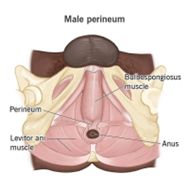
Another method is the transperineal biopsy, where needles are inserted through the skin between the anus and scrotum. Each type of biopsy has its own set of advantages and potential discomforts, but they are all designed to accurately gather prostate tissue samples for analysis.
Pre-Biopsy Preparations
Prior to the procedure, certain preparations are necessary to minimize complications. Your healthcare provider will advise you on any medications to avoid, such as blood thinners, which could increase the risk of bleeding. Additionally, you might be given an enema to clear the rectum for better access during the procedure.
Understanding the pre-biopsy process is important to ensure a smooth procedure. Following the recommended guidelines and discussing any concerns with your doctor are vital steps in preparation.
Procedure Overview
The prostate biopsy procedure itself is typically performed on an outpatient basis, meaning you can return home the same day. During the biopsy, local anesthesia is often used to minimize discomfort. The procedure involves collecting multiple samples from different areas of the prostate to ensure comprehensive analysis.
Though the idea of the procedure may be unsettling, knowing what to expect can help alleviate anxiety. Post-procedure, you’ll be monitored briefly to ensure there are no immediate complications.
Prostate Biopsy Recovery Process
Immediate Post-Biopsy Care
After the biopsy, you’ll likely experience some discomfort, but it’s usually manageable. Rest is crucial, and you should avoid strenuous activities for at least 24-48 hours post-procedure. Staying hydrated and following any specific instructions given by your healthcare provider will aid in your recovery.
Understanding immediate care needs helps in faster recovery. It’s important to monitor any unusual symptoms and keep track of your recovery progress.
Managing Pain After Prostate Biopsy
Pain management post-biopsy is important. Over-the-counter pain relievers, such as acetaminophen, can be used to ease discomfort. Avoiding certain medications, like ibuprofen, which can increase bleeding risk, is advisable unless otherwise directed by a doctor.
If pain persists or worsens, consulting with your healthcare provider is recommended to ensure there are no underlying complications. Pain management strategies should be tailored to individual needs and discussed with a professional.
Monitoring Blood in Urine After Prostate Biopsy
Observing blood in your urine is a common occurrence after a prostate biopsy and generally decreases over a few days. It’s important to stay calm and monitor the amount and frequency of blood in the urine. Drinking plenty of fluids can help flush the system more quickly.
If an increase in blood or other concerning symptoms such as fever or heavy bleeding occurs, it’s crucial to contact your healthcare professional. Effective monitoring helps in identifying potential issues early.
Common Concerns After Prostate Biopsy
Addressing Pain After Prostate Biopsy
Addressing discomfort following the biopsy is essential for a smooth recovery. Utilizing pain relief methods and ensuring rest can significantly improve your experience. Share any persistent pain with your healthcare provider to address it appropriately.
Pain after the biopsy is normal but should be manageable with proper care. Open communication with medical professionals about your symptoms is important for effective management.
Dealing With Blood in Urine After Prostate Biopsy
Experiencing blood in the urine can be daunting, but understanding that it’s a typical part of recovery can ease worries. It’s crucial to keep track of changes and report any unusual patterns to your doctor.
Communicating concerns about blood in urine with your healthcare provider is key to addressing any potential issues. Monitoring and documentation can provide insight for further medical evaluation if necessary.
When to Contact Your Doctor
If symptoms such as persistent bleeding, severe pain, or signs of infection like fever occur, seeking medical advice promptly is essential. Understanding when to reach out to your healthcare provider ensures timely intervention and peace of mind.
Awareness of warning signs and maintaining open communication with medical professionals can prevent complications and promote a smooth recovery.
Bottom line: Navigating recovery after a prostate biopsy involves understanding the procedure, managing symptoms, and knowing when to seek help. By following professional advice and monitoring your progress, you can ensure a smoother and healthier recovery process.