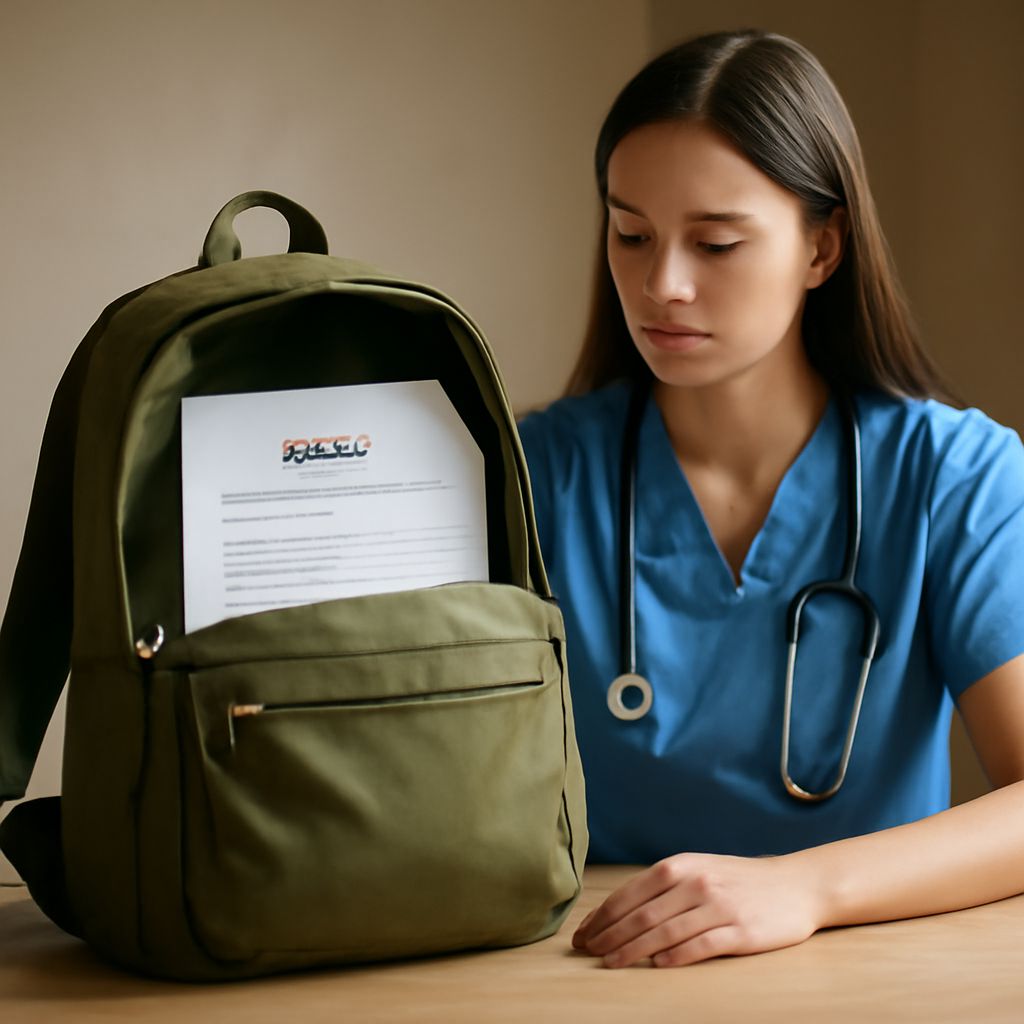
Camp Nurse: Everything You Need to Know About This Unique Career
For nurses seeking a change from the clinical environment—or looking for meaningful seasonal work—becoming a camp nurse offers a distinctive and deeply rewarding experience. Working at a residential or day camp places you in the role of primary medical provider for an entire community of children and adolescents, often in a setting far from the nearest hospital. The combination of clinical skill, creativity, and genuine connection with campers and staff makes this one of the most unique nursing career opportunities available.
Whether you are searching for camp nurse jobs, curious about what summer camp nurse jobs involve day to day, preparing for a season as a summer camp nurse, or considering a supporting role as a summer camp nurse assistant, this guide provides a complete picture of the camp health field.
What Does a Camp Nurse Do?
A camp nurse serves as the primary healthcare provider for an entire camp community—which may include 100 to over 1,000 campers and staff depending on the camp’s size. The health center is your base of operations, but your work extends throughout the camp: triaging injuries at the waterfront, managing chronic conditions during meals, responding to illness outbreaks in cabins, and providing health education to staff and campers alike. The scope of a camp health professional’s responsibilities is remarkably broad for a single clinician.
Daily Responsibilities at a Resident Camp
A typical day for a residential camp nurse begins with morning medication administration for campers with chronic conditions—managing asthma inhalers, diabetes protocols, allergy medications, and psychiatric medications is a significant part of the role. Throughout the day, the health center sees a steady flow of minor injuries (blisters, splinters, lacerations), illnesses (sore throats, stomachaches, headaches), and anxiety-related presentations that are common in children away from home for extended periods. Communicating with parents about their child’s health status and coordinating with the camp director on significant medical decisions is part of the daily workflow.
Handling Medical Emergencies in Remote Settings
One of the most important competencies for a residential camp nurse is the ability to assess and stabilize emergencies in settings where advanced medical care may be 20–60 minutes away. Anaphylaxis management, fracture splinting, seizure response, heat illness treatment, and water safety emergencies are all within the realistic scope of incidents a camp health professional may face. Most camps require nurses to hold current Basic Life Support (BLS) certification, and many prefer or require Wilderness First Responder (WFR) training for remote settings. Familiarity with emergency action plans and pre-established EMS protocols is essential.
Summer Camp Nurse Jobs: Finding and Landing a Position
Summer camp nurse jobs are posted through several channels. The American Camp Association (ACA) maintains a job board through its website that lists seasonal nursing positions at camps across the country. State nursing associations, travel nursing agencies that specialize in camp placements, and direct camp websites are other sources. Most seasonal camp nursing positions run for six to ten weeks, typically from late June through mid-August, though some specialty camps or year-round facilities offer longer assignments.
When applying for camp nursing positions, highlight experience with pediatrics, emergency response, and chronic disease management. Letters of recommendation from clinical supervisors and documentation of current certifications strengthen your application. Many camps conduct phone or video interviews and may require references from previous camp employers if you have camp experience. Asking detailed questions during the interview about the staff-to-camper ratio, available medical equipment, the nearest hospital and EMS response time, and whether a camp physician is on-site or on-call helps you evaluate whether a given camp can support safe practice.
Summer Camp Nurse Requirements and Qualifications
The minimum requirement for a summer camp nurse position is a current, active registered nurse (RN) or licensed practical nurse (LPN) license in good standing. Many camps prefer RNs due to the independent assessment and clinical decision-making responsibilities involved. Pediatric nursing experience is highly valued—camp health centers are fundamentally pediatric settings. Current BLS certification is almost universally required, and many camps require or strongly prefer Advanced Cardiovascular Life Support (ACLS) or Pediatric Advanced Life Support (PALS).
State-specific requirements for camp nursing practice may apply—some states regulate camp health centers through their health departments and specify minimum staff credentials. Reviewing the requirements for the state where the camp operates ensures you are fully compliant before accepting a position. Attending a pre-season camp nurse training or orientation program—many camps offer these—helps you learn the specific protocols, medical equipment inventory, and communication systems used at that facility.
Summer Camp Nurse Assistant: Supporting the Health Team
A summer camp nurse assistant role is an excellent entry point for nursing students, certified nursing assistants (CNAs), emergency medical technicians (EMTs), or pre-health professionals who want camp health experience before obtaining full licensure. Nurse assistants support the licensed camp nurse with non-clinical tasks: organizing medications, maintaining health center inventory, assisting with basic first aid under supervision, and conducting health screenings. The level of clinical responsibility allowed for nurse assistants varies by state nursing practice act and camp policy.
Working as a camp health assistant provides a unique mentorship opportunity under the guidance of an experienced camp nurse and exposure to the full range of pediatric health presentations in a community setting. For nursing students, a summer as a camp health assistant can be one of the most formative clinical experiences before graduation, offering genuine patient interaction, critical thinking challenges, and professional growth in a supportive outdoor environment.
Key takeaways: Camp nursing is a uniquely independent role requiring strong pediatric assessment skills, emergency preparedness, and the ability to manage chronic conditions across a diverse community. Summer camp nurse jobs are found through ACA job boards, travel nursing agencies, and direct camp applications. Nurse assistant roles offer valuable experience for pre-licensure healthcare students interested in this specialized field.