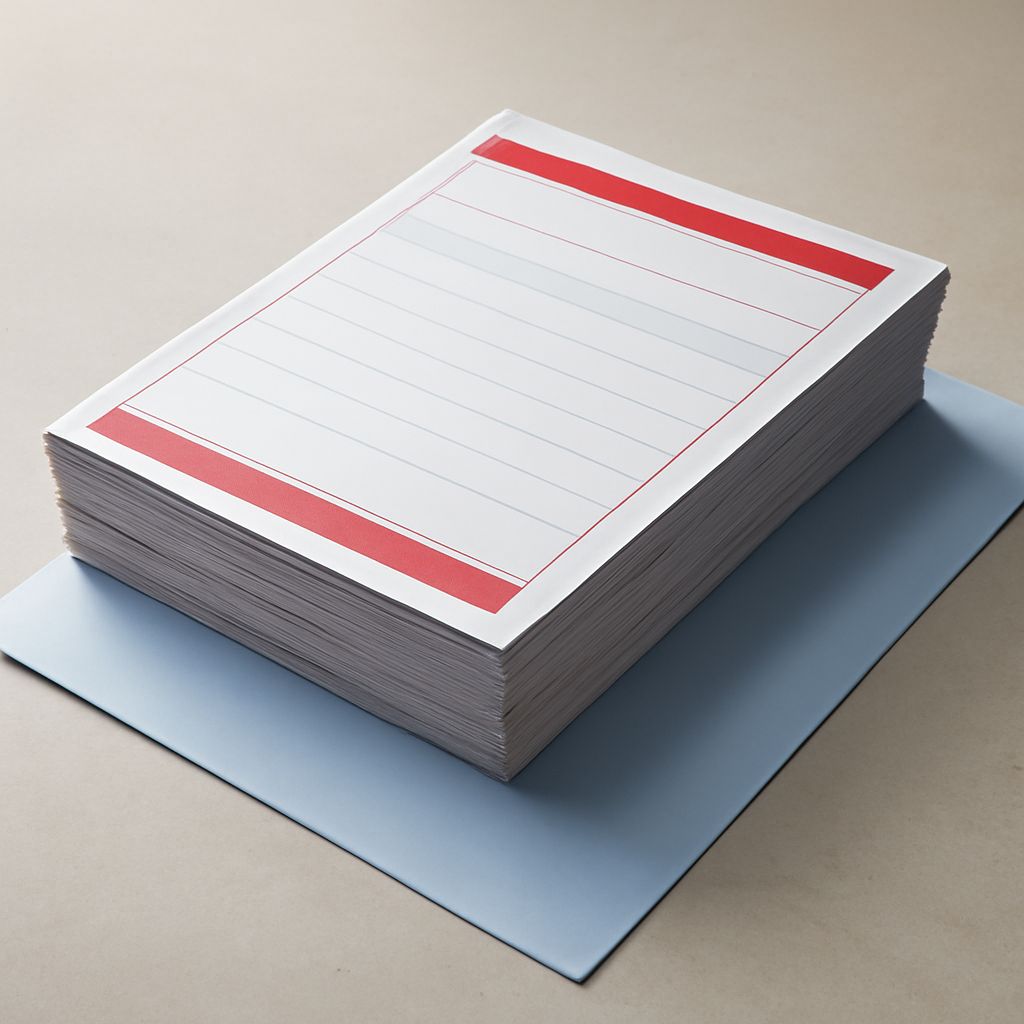
Prescription Paper: Security Features, Standards, and Legitimate Use
In healthcare settings, the integrity of the medication ordering process depends significantly on the security of the documents used to record and transmit prescriptions. Prescription paper is not ordinary paper—it incorporates multiple anti-fraud features designed to prevent counterfeiting, unauthorized duplication, and alteration. Understanding what makes a legitimate blank prescription pad or form different from generic paper, what a blank prescription pad must contain by law, and why prescription blank security matters protects both patients and prescribers.
For healthcare professionals, office managers, and patients, this overview of blank prescription form standards and security requirements clarifies the legal and practical framework governing prescription paper use.
What Is Prescription Paper and Why It Matters
Prescription paper refers to the specialized paper stock and pre-printed forms used by licensed healthcare providers to write prescriptions for medications. Unlike ordinary office paper, medical prescription paper incorporates built-in security features that make it difficult to copy, forge, or alter. These features protect the prescription system from fraud—a serious concern given that fraudulent prescriptions are a pathway for diverting controlled substances and other medications.
Security Features of Modern Prescription Pads Contemporary prescription paper incorporates a layered suite of security features. Common elements include watermarks visible when held to light, chemically reactive paper that reveals tampering attempts, microprinting in the margins or background, void pantographs (hidden patterns that appear when photocopied), and colored thermochromic ink. Many jurisdictions also require serialized numbering on each prescription blank so that each document is individually traceable. These security layers work in combination—no single feature alone provides adequate protection against sophisticated counterfeiting.
State and Federal Requirements Federal requirements for controlled substance prescriptions are established by the Drug Enforcement Administration (DEA) and the Controlled Substances Act. States add their own layers of regulation. Many states have implemented tamper-resistant prescription (TRP) standards that require specific features on all prescriptions—not just controlled substances—dispensed within the state. Prescribers who use paper prescriptions in multiple states must ensure their prescription paper meets the strictest requirements across all jurisdictions where they practice.
Blank Prescription Pads: Legitimate Medical Use
A blank prescription pad in legitimate medical practice is pre-printed with the prescriber’s identifying information—including their name, credentials, DEA number (for controlled substances), state license number, practice address, and phone number. The pre-printed information prevents the blank prescription from being used by anyone other than the identified prescriber. Prescription blanks are used individually, with the prescriber completing the patient information, medication details, dosing instructions, and signature at the time of prescribing.
Many practices have transitioned to electronic prescribing (e-prescribing), particularly for controlled substances where DEA-approved electronic prescribing for controlled substances (EPCS) is now widely adopted. However, paper prescriptions remain necessary in certain settings—power outages, emergency situations, lack of electronic pharmacy connectivity, or specific patient needs. Maintaining a supply of properly secured prescription blank forms is still a practical requirement for many healthcare providers.
Prescription Blank Fraud: Risks and Prevention
A stolen or forged prescription blank is a tool for pharmaceutical fraud. Criminals may steal prescription pads from medical offices, forge prescriber information on generic paper, or alter legitimate prescriptions by changing the drug, quantity, or number of refills. The controlled substance diversion problem in the United States has been significantly fueled by prescription fraud at various points in its history.
Prevention requires multiple layers of vigilance. Prescription pads should be stored in locked drawers or cabinets when not in use, and access should be limited to authorized personnel. Prescribers should regularly audit their prescription pad inventories. Numbered prescriptions allow tracking of gaps in the sequence that might indicate theft. Reporting stolen or missing prescriptions to local law enforcement and state pharmacy boards is both a legal requirement and a practical fraud prevention measure in many jurisdictions.
How Blank Prescription Forms Are Ordered and Managed Securely
Blank prescription forms must be ordered from vendors who comply with state and federal security printing standards. Many states maintain lists of approved prescription paper vendors who have been certified to produce tamper-resistant pads meeting the required specifications. Prescribers should order prescription paper only from these approved sources and should never purchase generic paper stock as a substitute.
Proper management of prescription paper inventory includes maintaining a log of pads received and in circulation, conducting periodic counts, and documenting the disposal of expired or unused prescription blanks. In group practice settings, individual prescribers should maintain their own secured supplies rather than sharing a central pad—this allows for more precise accountability if any forms go missing. Transitioning to EPCS where feasible reduces the vulnerability associated with physical prescription paper management while streamlining the prescribing workflow.
Key takeaways: Prescription paper incorporates multiple anti-fraud security features that distinguish it from ordinary paper and make unauthorized copying or alteration detectable. Legitimate prescription pads are pre-printed with prescriber identifying information and ordered only from state-approved vendors. Proper storage, inventory management, and reporting of missing forms are essential responsibilities for any practice using paper prescriptions.