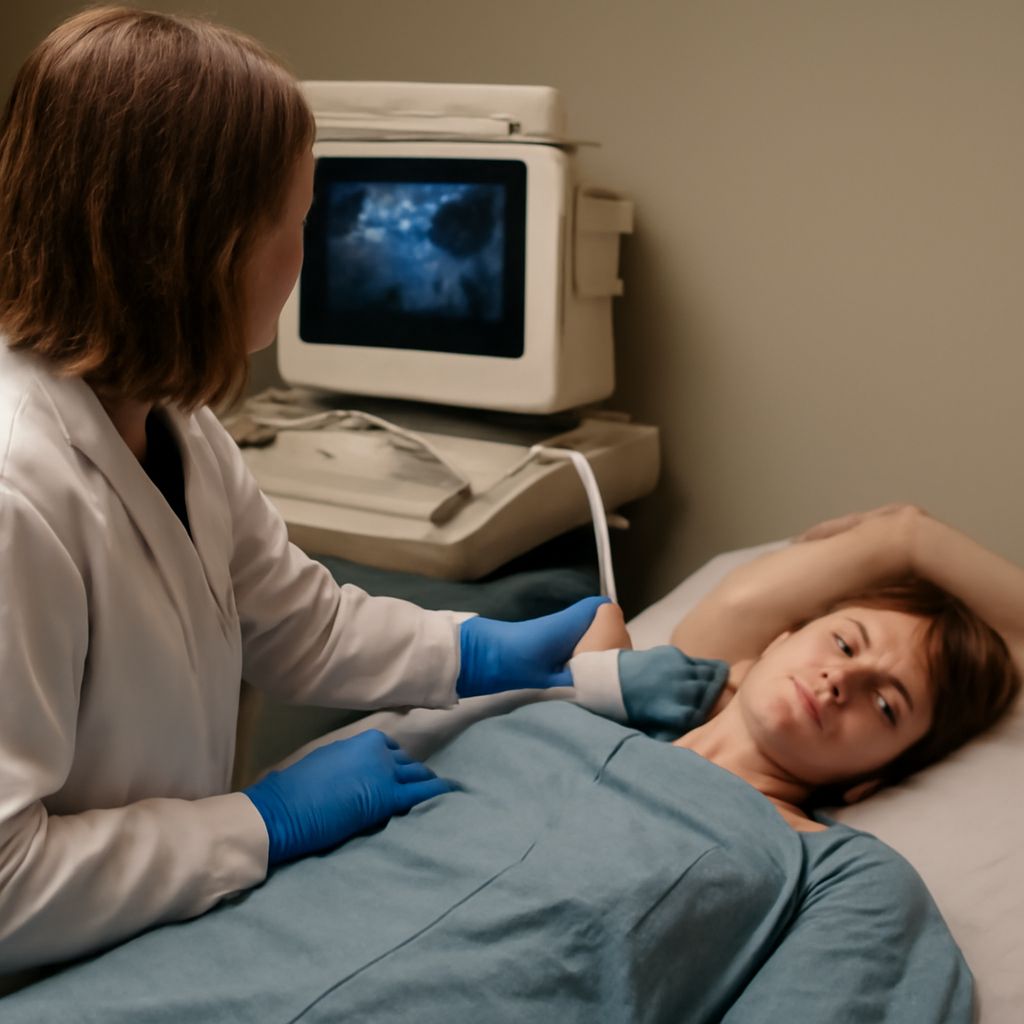
Bruising After Breast Biopsy: What to Expect During Recovery
Undergoing any diagnostic procedure can feel anxious-making, and questions about what follows are entirely normal. Bruising after breast biopsy is one of the most commonly reported side effects, and for many women it can appear more extensive than expected. Understanding what is typical versus what requires medical attention helps you recover with confidence rather than worry.
This guide addresses pain after breast biopsy, explains how painful is a stereotactic breast biopsy, details what happens after a breast biopsy, and outlines a practical core needle biopsy recovery timeline so you know what each stage of healing looks like.
Is Bruising After Breast Biopsy Normal?
Yes—discoloration of the skin following breast tissue sampling is a normal and expected response. Because the procedure involves a needle penetrating breast tissue, small blood vessels are inevitably disrupted, causing blood to pool under the skin. The resulting surface bruising from a breast needle procedure may be yellow, green, purple, or dark blue in the days that follow, and it can spread slightly as blood disperses through surrounding tissue.
How Much Bruising Is Expected The extent of post-biopsy skin discoloration varies depending on the type of biopsy, the patient’s natural clotting ability, and whether blood thinners are in use. Core needle procedures typically produce more bruising than fine needle aspiration due to the larger gauge instrument. Most discoloration from a breast tissue sampling procedure resolves within one to two weeks. Applying a cold compress to the area in the first 24 hours reduces swelling and limits the spread of bruising.
When to Call Your Doctor
While surface discoloration is expected, certain signs warrant prompt medical attention: rapidly expanding swelling or a hard, warm lump at the biopsy site may indicate a hematoma. Increasing rather than decreasing redness, fever, or discharge from the site could signal infection. If post-procedure bruising is accompanied by significant worsening pain after the first 48 hours, contact your healthcare provider.
Managing Pain After Breast Biopsy
Pain after breast biopsy is typically mild to moderate and well-controlled with over-the-counter analgesics. Most patients describe post-procedure breast soreness as similar to a deep bruise—tender to the touch but manageable without prescription pain medication. Wearing a supportive, well-fitting bra for several days after the procedure helps minimize movement-related discomfort and keeps the site compressed.
How Painful Is a Stereotactic Breast Biopsy?
Patients frequently ask how painful is a stereotactic breast biopsy before consenting to the procedure. During the biopsy itself, local anesthesia is administered to numb the area, so most patients feel pressure but not sharp pain. The positioning required for stereotactic procedures—lying face-down on a specialized table with the breast dependent through an opening—can cause discomfort unrelated to the needle itself. After the anesthesia wears off, mild aching is typical for 24–48 hours. The overall pain experience during and after stereotactic breast tissue sampling is generally described as tolerable by most patients.
What Happens After a Breast Biopsy
Understanding what happens after a breast biopsy reduces post-procedure anxiety. Immediately after the biopsy, a radiologist or surgeon places pressure on the site to control bleeding, then applies a bandage or Steri-Strips. A small titanium clip is often placed at the biopsy site as a marker for future imaging—this is routine and does not cause ongoing discomfort.
The tissue sample is sent to a pathology laboratory, where it is examined under a microscope. Results are typically available within three to five business days, though timelines vary. Your care team will contact you to discuss the pathology findings and any recommended next steps. Waiting for results is often the most emotionally challenging part of the post-biopsy experience, and reaching out to your provider’s office if you have not heard back within the expected window is entirely appropriate.
Core Needle Biopsy Recovery: Timeline and Tips
Core needle biopsy recovery follows a predictable timeline for most patients. In the first 24 hours, keeping the site clean and dry, applying cold compresses intermittently, and avoiding strenuous activity are the key priorities. From days two through five, bruising typically peaks before beginning to fade, and tenderness gradually diminishes. By the end of the first week, most women return to normal daily activities without significant discomfort.
Recovering from a breast core needle procedure also involves avoiding aspirin and nonsteroidal anti-inflammatory drugs (NSAIDs) unless cleared by your provider, as these can increase bleeding risk in the immediate post-procedure period. Acetaminophen is usually recommended instead. Keeping follow-up appointments ensures the site is healing properly and gives you an opportunity to ask questions about your results. Healing from a needle breast tissue biopsy is generally straightforward, with most women resuming full activities within one to two weeks.
Key takeaways: Bruising and mild soreness after a breast biopsy are normal and typically resolve within one to two weeks. Stereotactic procedures are performed under local anesthesia and are generally well-tolerated. Always follow your provider’s post-procedure instructions and contact them promptly if signs of infection or a hematoma develop.