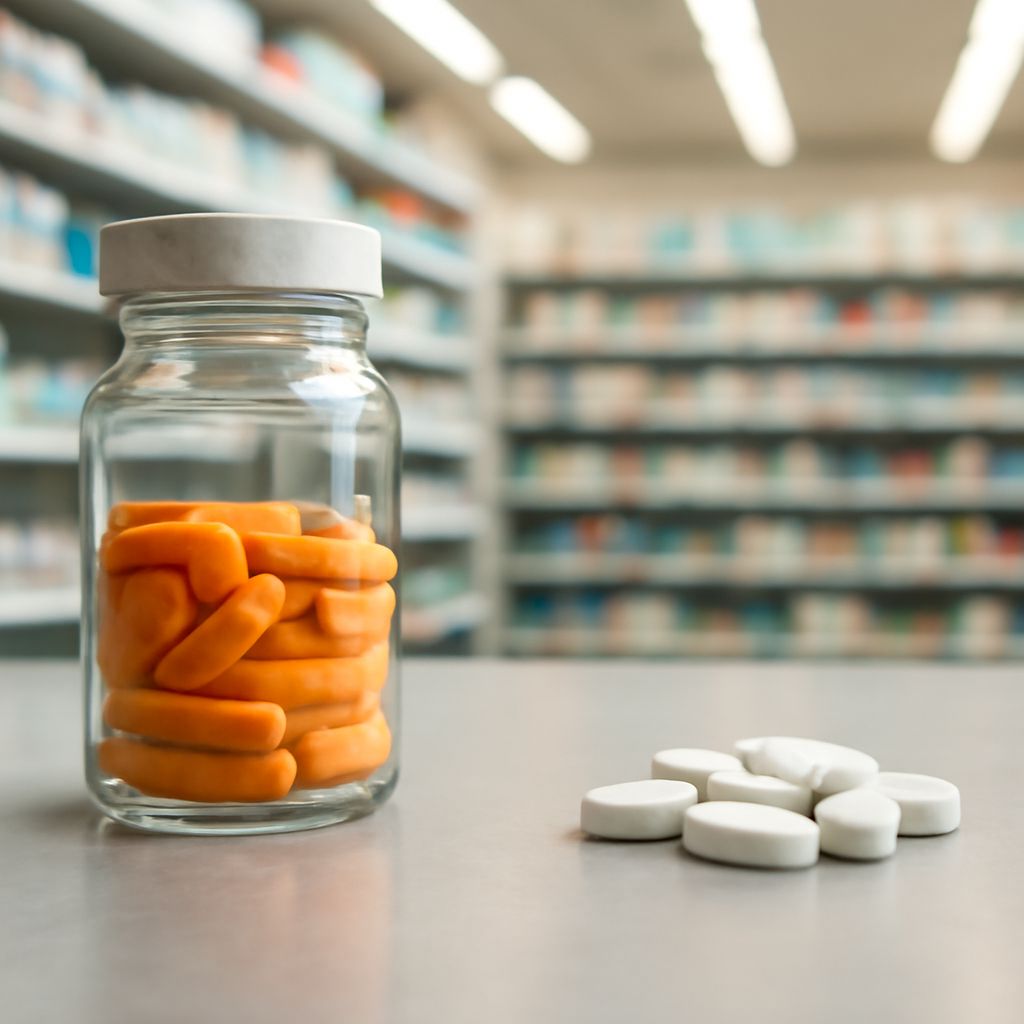
Caplet vs Capsule: Understanding Every Oral Medication Form
Walking down the medication aisle can be confusing when you see the same active ingredient offered in multiple forms. The caplet vs capsule debate is just the beginning—you also encounter liquid gels vs tablets, which raises questions about absorption speed, ease of swallowing, and stability. Understanding each form helps you make more informed choices about how you manage your health.
Many consumers use pill vs tablet interchangeably, while others wonder when gel caps vs tablets make a real difference. Knowing the distinctions—including softgel vs capsule comparisons—lets you select the format that best suits your needs and preferences.
What Makes a Caplet Different From a Capsule
A caplet is a solid, coated tablet shaped like a capsule. It combines the structural integrity of a tablet with the smooth, elongated form of a capsule shell, making it easier to swallow than a standard round tablet. A capsule, by contrast, consists of a gelatin or vegetable-based shell filled with powder, pellets, or liquid. The core comparison between a coated oval tablet and a shelled capsule comes down to how they are manufactured and how the body processes them.
How Each Form Is Made Caplets are compressed and then coated—often with a film or enteric coating—to aid swallowing and protect the stomach lining. Capsules are either hard-shelled (two interlocking gelatin pieces) or soft-shelled (a one-piece flexible container). Manufacturing differences affect shelf life, moisture sensitivity, and how quickly each form begins releasing its active ingredient after ingestion. Selecting between a coated tablet and a capsule format often depends on the drug’s chemistry and required release profile.
Swallowability and Patient Preference Many patients find capsules and caplets easier to swallow than traditional round tablets because of their smooth surfaces and tapered ends. However, capsules can sometimes be opened and their contents mixed with food—a useful option for patients who struggle with swallowing. Caplets generally cannot be split or opened without compromising their coating. When choosing between a capsule form and a coated oval tablet, consider whether flexibility in administration is important.
Liquid Gels vs Tablets: Speed and Absorption
When comparing liquid gels vs tablets, the key difference is dissolution speed. Liquid-filled gel caps contain the active ingredient dissolved in oil or another liquid medium, allowing faster absorption because the body does not need to break down a solid matrix first. Standard tablets must dissolve fully before absorption begins, which takes longer. For medications where rapid onset matters—like pain relievers—liquid gel formulations are often preferred by consumers seeking faster relief.
Softgel vs Capsule: Key Distinctions
A softgel vs capsule comparison highlights important structural differences. Softgels (soft gelatin capsules) are hermetically sealed one-piece shells containing liquid or semi-liquid fills, offering excellent protection against oxidation. Hard gelatin capsules consist of two pieces and typically contain dry powder or pellets. Softgels are harder to counterfeit or tamper with and provide superior bioavailability for oil-soluble compounds like vitamin D or fish oil. Choosing a softgel versus a hard capsule depends on the ingredient’s physical state and stability requirements.
Pill vs Tablet: Clearing Up the Confusion
Colloquially, people use pill vs tablet as synonyms, but technically they are different. A pill is an older term referring to any small, round solid dosage form—historically made by rolling ingredients by hand. A tablet is a modern, precisely compressed solid dosage form manufactured using industrial presses. In everyday speech, calling any oral solid medication a “pill” is acceptable, but when pharmacists or manufacturers say “tablet,” they mean a specific compressed form with defined properties.
Tablets come in many varieties: immediate-release, extended-release, chewable, orally disintegrating, and effervescent. Each variation serves a specific clinical or patient convenience purpose. Understanding this tablet spectrum helps you read medication labels more accurately and ask better questions when consulting a pharmacist about your options.
Gel Caps vs Tablets: Which Should You Choose?
The decision between gel caps vs tablets depends on several factors: the ingredient involved, how quickly you need it to work, your ability to swallow, and personal preference. Gel caps generally offer faster absorption and are easier to swallow for most patients. Tablets are often more stable, less expensive to manufacture, and widely available in generic forms.
For patients with dietary restrictions, the source of the gelatin shell matters—animal-derived gelatin is standard, but vegetarian capsule alternatives made from cellulose are available. When comparing gel caps versus compressed tablets for supplements or OTC medications, read the label carefully to confirm the form matches your lifestyle and health goals. Consulting a pharmacist about which oral dosage form best suits your specific medication is always a smart step.
Key takeaways: Caplets are smooth-coated tablets; capsules are shell-encased formulations—each offers unique swallowing and absorption characteristics. Liquid gels dissolve faster than standard tablets, making them preferable when quick onset matters. Always choose the dosage form that aligns with the active ingredient’s properties and your personal health needs.