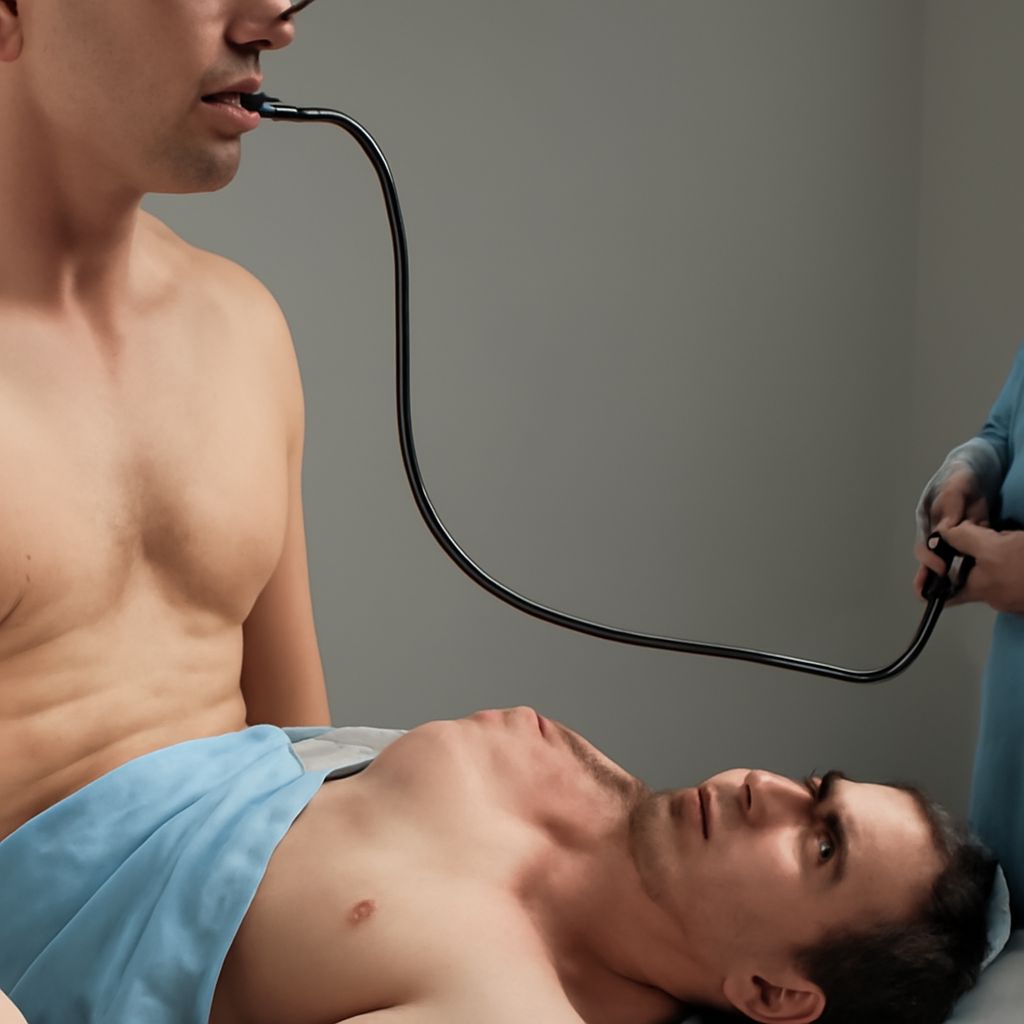
Endoscopic Ultrasound: How It Differs from Standard Endoscopy and When It Is Used
Endoscopic ultrasound combines the visual inspection capability of endoscopy with the cross-sectional imaging capability of ultrasound, creating a diagnostic tool that can see both the inner surface of the digestive tract and the structures immediately surrounding it. Understanding the difference between endoscopy and endoscopic ultrasound helps patients prepare for the right procedure and ask informed questions about why one was ordered over the other. The two tests share preparation requirements and sedation, but they answer different clinical questions.
Patients referred for an esophageal ultrasound study, a procedure to evaluate the esophagus and surrounding mediastinal structures, or a gastric wall assessment through ultrasound endoscopy often have questions about what the test involves, how it compares to standard upper endoscopy, and who performs it. The endoscopy nurse role in both procedures is significant, as these nurses manage sedation, monitor the patient, and assist with specimen collection when tissue sampling is part of the plan.
Endoscopic Ultrasound: What It Is and How It Works
An endoscopic ultrasound scope is a specialized endoscope with an ultrasound transducer built into its tip rather than a standard camera alone. The scope is passed into the esophagus, stomach, or duodenum while the patient is sedated, and the ultrasound transducer creates high-resolution images of the surrounding structures from within the digestive tract. This proximity to the target structures produces image quality that far exceeds what a transabdominal ultrasound from the outside can achieve for structures like the pancreas, bile ducts, and perigastric lymph nodes.
EUS is used both diagnostically and therapeutically. Diagnostic applications include staging cancers of the esophagus, stomach, pancreas, and rectum; evaluating submucosal lesions of uncertain origin; and assessing the bile duct and pancreas for stones or strictures. Therapeutic applications include fine needle aspiration (FNA) of lymph nodes or masses under real-time ultrasound guidance, cyst drainage, and celiac plexus nerve blocks performed through the stomach wall.
The difference between endoscopy and endoscopic ultrasound is most practically expressed as depth of view. Standard endoscopy shows the mucosal surface. EUS shows the mucosal surface and the layers beneath, including all five layers of the gastrointestinal wall and the adjacent organs, vessels, and lymph nodes. This additional depth of information is why EUS is irreplaceable for staging gastrointestinal cancers before surgical planning.
Esophageal Ultrasound: Specific Applications
Esophageal EUS is most commonly used for staging esophageal cancer, evaluating esophageal submucosal tumors, and assessing the mediastinum for lymphadenopathy. Esophageal cancer staging with EUS determines the T stage (depth of tumor invasion into the esophageal wall layers) and N stage (regional lymph node involvement), information that is critical for deciding between primary surgery, neoadjuvant chemoradiation followed by surgery, or definitive chemoradiation without surgery.
Submucosal esophageal lesions, which appear as bumps under the mucosa on standard upper endoscopy, are evaluated by EUS to characterize their layer of origin and internal architecture. A leiomyoma arising from the muscularis propria has a characteristic EUS appearance distinct from a gastrointestinal stromal tumor or a vascular structure. This distinction guides the management decision between surgical resection, endoscopic removal, or observation.
Esophageal ultrasound using a dedicated balloon-tipped probe is also used in cardiac surgery and intensive care settings to monitor left heart function through the esophagus, a technique called transesophageal echocardiography. This cardiac application is distinct from gastroenterological EUS but shares the same principle of using the esophagus as an acoustic window to structures that cannot be adequately imaged from the outside.
The Endoscopy Nurse Role in EUS Procedures
The endoscopy nurse working in a unit that performs EUS procedures has a more complex role than in standard upper or lower endoscopy. EUS procedures are longer, require deeper sedation or anesthesia monitoring in some cases, and involve coordination with cytotechnologists or pathology teams when FNA specimens are collected. Real-time specimen adequacy assessment at the time of the procedure, called rapid on-site evaluation, is increasingly standard in high-volume EUS programs.
During EUS with FNA, the endoscopy nurse manages specimen handling, labeling, and immediate processing steps that determine specimen quality. Proper handling of FNA specimens requires familiarity with cytology preparation techniques, including slide smearing, liquid-based collection media, and cell block preparation, that go beyond the standard endoscopy scope prep and biopsy handling skills. Nurses working in EUS units typically receive specific training in these techniques through laboratory or pathology department orientation.
Patient monitoring during EUS requires attention to sedation depth, respiratory status, and hemodynamic stability throughout a procedure that can run 30 to 90 minutes depending on the indication and findings. EUS nurses must be prepared to recognize and respond to sedation-related complications at the same level of readiness as a nurse supporting any moderately complex endoscopic procedure.
Ultrasound Endoscopy vs Standard Upper Endoscopy: Choosing the Right Test
Standard upper endoscopy, or EGD, is appropriate for evaluating mucosal disease: Barrett esophagus surveillance, erosive esophagitis, peptic ulcers, gastric polyps, and upper GI bleeding. It is also the standard tool for obtaining mucosal biopsies and performing mucosal resections. When the clinical question involves the mucosa and nothing deeper, standard endoscopy is sufficient and avoids the additional cost and complexity of an EUS procedure.
Ultrasound endoscopy is ordered when the clinical question cannot be answered by mucosal inspection alone. A pancreatic mass seen on CT or MRI requires EUS and FNA for tissue diagnosis. A submucosal stomach lesion of unclear etiology requires EUS characterization. Bile duct dilation without an identified cause requires EUS to detect small stones or strictures missed by other imaging modalities.
EUS availability is not universal. The procedure requires specialized equipment and trained gastroenterologists or surgeons who have completed dedicated EUS training beyond standard endoscopy fellowship. Patients at community hospitals may need referral to academic medical centers or gastroenterology specialty practices for EUS, particularly for complex indications like cancer staging or interventional procedures. Asking your gastroenterologist specifically about EUS experience and volume at the institution where you will be referred is appropriate when EUS is being considered for cancer evaluation or therapeutic purposes.