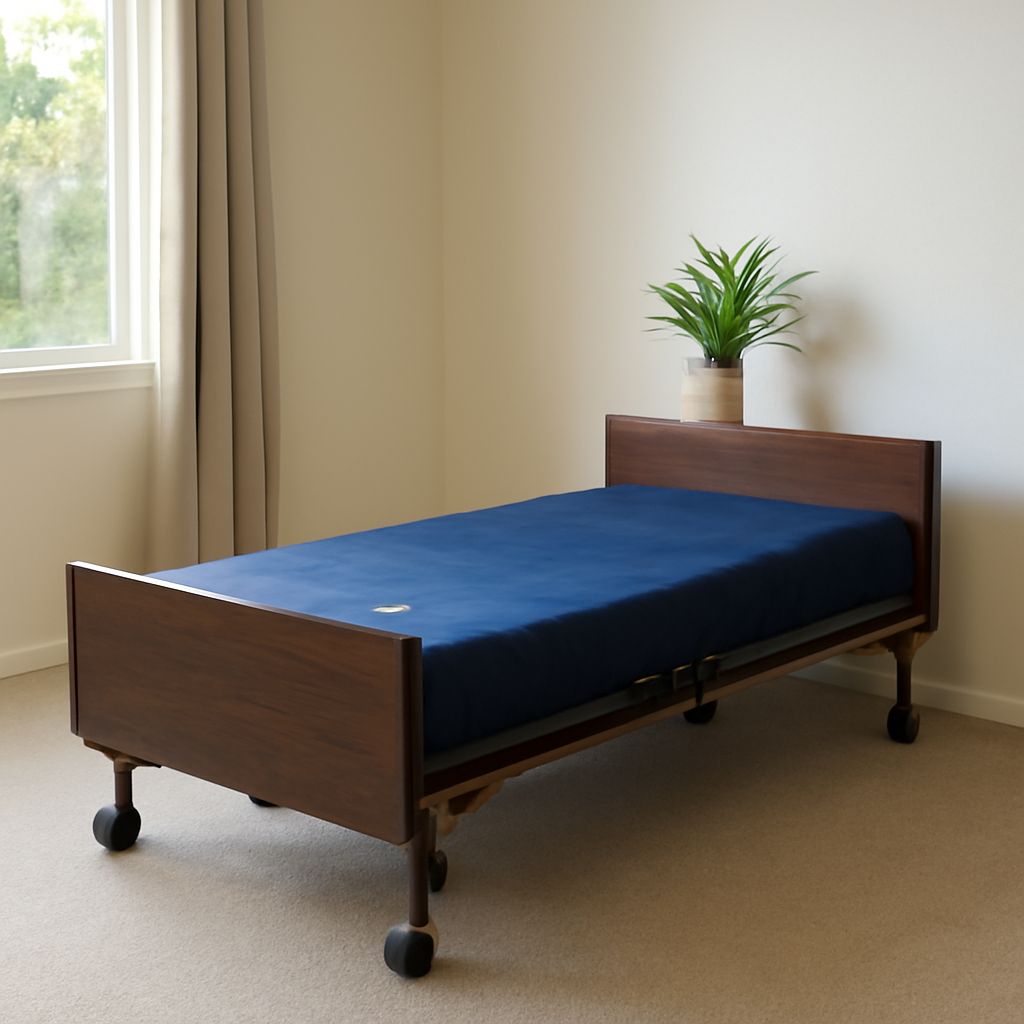
Hospital Bed Rental: How to Find and Rent the Right Bed
When someone is recovering at home after surgery, managing a chronic illness, or receiving end-of-life care, a hospital bed rental can make a significant difference in both comfort and safety. Standard household beds often lack the adjustability that patients and caregivers need. Hospital beds for rent come in manual, semi-electric, and full-electric models, each suited to different care levels and budgets. Hospital bed rentals are widely available through medical equipment suppliers, home health agencies, and national DME (durable medical equipment) providers. If you’re looking for a hospital bed for rent, knowing what features matter—and whether Medicare or insurance covers the cost—will save you time. A rental hospital bed can be delivered, set up, and later picked up by the supplier, which simplifies the logistics considerably.
Types of Hospital Beds Available for Rent
Manual hospital beds use hand cranks to adjust head and foot positions. They cost less to rent but require physical effort from caregivers. Semi-electric beds motorize the head and foot positions while the height adjustment stays manual. Full-electric beds control all positions with a remote, making them the best fit for patients who need frequent repositioning or want independence. Bariatric rental hospital beds handle higher weight capacities and are available from most major DME suppliers. When comparing hospital beds for rent, confirm the mattress type included—standard foam, pressure-reducing foam, or alternating pressure overlays each serve different wound care and comfort needs.
Insurance and Medicare Coverage for Hospital Bed Rentals
Medicare Part B covers hospital bed rentals as durable medical equipment when a physician certifies medical necessity. You’ll typically pay 20% of the Medicare-approved amount after meeting your Part B deductible. Hospital bed for rent coverage under Medicare requires the supplier to be enrolled in Medicare and the bed to meet specific criteria, including the patient needing the bed due to a medical condition affecting mobility or requiring elevation. Private insurance plans vary; contact your insurer before ordering to confirm whether renting a hospital bed is covered and what documentation is required. Medicaid also covers hospital bed rentals in most states for eligible members.
What to Ask Before Renting
Before finalizing a rental hospital bed agreement, ask the supplier about delivery and setup timelines—especially if you need the bed before a hospital discharge. Confirm what’s included: bed frame, mattress, side rails, and trapeze bars may or may not come standard. Ask about the pickup process and any fees for extended rentals. Some DME companies offer rent-to-own arrangements if long-term use is likely, which may cost less overall than ongoing hospital bed rentals. Verify that the supplier offers 24-hour support in case mechanical issues arise with an electric model.
Setting Up and Using a Rented Hospital Bed Safely
Place the rented hospital bed in a room with enough clearance on at least three sides for caregiver access. Keep the bed in its lowest position when the patient is getting in or out to reduce fall risk. Use the side rails as recommended by the supplier—improper use of rails on a rental hospital bed can create entrapment hazards if gaps are too large. Ensure the call system or monitoring device is within easy reach. Caregivers should receive a brief orientation from the delivery technician on operating the bed’s controls, especially for electric models with multiple adjustment zones.