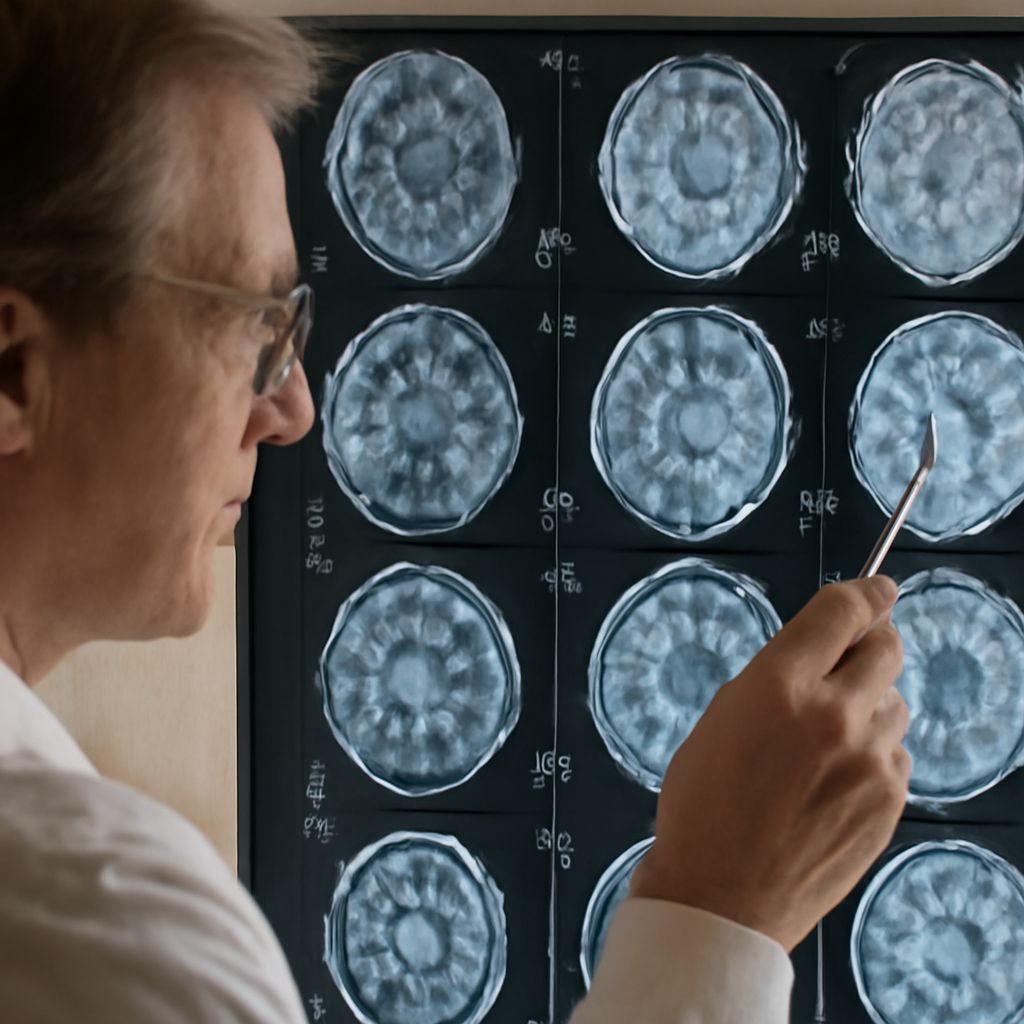
Back MRI: What It Shows, What It Costs, and What to Expect
A back mri is one of the most frequently ordered diagnostic imaging studies in orthopedic and neurology practices. When you’re asking how much do mri cost for a spinal study, the range is wide and depends primarily on whether you go to a hospital or freestanding imaging center. Understanding mri back protocols and what clinicians look for helps you make sense of your radiology report when it comes back. The question of what does an mri of the lumbar spine show is one of the most common questions patients have after their referral, and the answer covers a lot of territory. An mri spine lumbar study can detect disc herniation, spinal stenosis, nerve compression, vertebral fractures, infection, and tumors, giving your physician far more detail than an X-ray provides.
Whether you’re preparing for your first back MRI or trying to understand a recent result, this guide walks you through the process from scheduling to interpreting what was found.
What Does a Back MRI Show and When Is It Needed
Lumbar spine MRI is ordered when symptoms like leg pain, numbness, or weakness suggest nerve involvement, or when back pain hasn’t responded to conservative treatment over four to six weeks. Imaging the back with MRI reveals disc morphology, including bulges and herniations, the width of the spinal canal, the size of the nerve root exit spaces (foramina), and the health of the vertebral bodies and surrounding soft tissue. These are all structures that plain X-ray cannot evaluate.
Common findings on a lumbar MRI include degenerative disc disease (drying and shrinking of discs), facet joint arthritis, ligamentum flavum thickening contributing to stenosis, and disc herniation pressing on nerve roots. Not every finding on a lumbar spine MRI requires treatment: many people have MRI abnormalities that don’t produce symptoms. Your physician interprets the imaging findings in the context of your specific clinical presentation, not in isolation.
How Much Do MRI Scans of the Back Cost
The cost of a lumbar spine MRI varies significantly by facility type. Hospital-based outpatient imaging centers charge the most, typically $800–$2,500 without insurance due to facility fees layered on top of the professional radiologist fee. Freestanding imaging centers offer substantially lower rates for the same back MRI study, often $400–$900 for self-pay patients who ask for the cash price.
With insurance, your actual cost depends on whether you’ve met your deductible and what your coinsurance rate is. Prior authorization is frequently required for spinal MRI, particularly for lumbar imaging. Skipping this step can result in a denied claim and a full bill. Ask your ordering physician’s office whether authorization was obtained before you show up for the scan.
Preparing for Your Lumbar MRI
Most back MRI studies require no special preparation. You’ll be asked to remove metal objects, change into a gown, and lie still for 30–45 minutes inside the MRI tube. Contrast dye is sometimes used for suspected infection, tumor, or post-surgical evaluation, but most routine lumbar spine MRIs are performed without it. If you’re claustrophobic, ask your provider about open MRI options or whether a short-acting anxiolytic can be prescribed for the appointment.
The MRI results are read by a radiologist and sent to your referring physician, typically within 24–48 hours. Some facilities offer same-day reading for urgent clinical questions. Ask your physician’s office how long to expect before results are available and whether you’ll receive a copy of the report directly.
Pro Tips Recap
Call at least two imaging facilities before your appointment and ask for their self-pay rate for a lumbar spine MRI scan. Compare this against your insurance’s contracted rate to find the most cost-effective option. Confirm that prior authorization was submitted if your plan requires it. After the scan, request a copy of your radiology report and imaging disc so you have your own record in case you need a second opinion or specialist consultation later.