Aesthetic Nurse Practitioner: Career Guide and What Patients Should Know
The field of medical aesthetics has expanded significantly over the past decade, creating strong demand for qualified clinicians who blend clinical knowledge with an eye for cosmetic outcomes. An aesthetic nurse practitioner holds advanced nursing credentials and applies them in cosmetic medicine settings, performing procedures like injectables, laser treatments, and skin resurfacing under protocols defined by state law and collaborative agreements. Patients seeking cosmetic nurse practitioner services benefit from working with someone who can assess medical contraindications as well as deliver treatments.
For those considering this career path, understanding nurse practitioner benefits, credentialing requirements, and practice models is essential. Nurse practitioner clinics focused on aesthetics operate differently from traditional medical practices and offer a distinct professional environment that many NPs find appealing.
What an Aesthetic Nurse Practitioner Does
An aesthetic nurse practitioner provides cosmetic procedures that fall within the scope of their state licensure and any collaborative or supervisory agreement in place with a physician. Common procedures include botulinum toxin injections, dermal fillers, chemical peels, microneedling, and laser-based treatments for pigmentation and hair removal.
The aesthetic NP role requires both clinical precision and patient communication skill. Clients expect clear explanations of what a treatment involves, realistic outcome expectations, and honest discussion of risks. A cosmetic nurse practitioner who builds strong patient relationships through transparency tends to develop a loyal client base over time.
Some aesthetic nurse practitioners work in dedicated medical spas or nurse practitioner clinics, while others join dermatology or plastic surgery practices as procedural providers. Independent practice regulations vary significantly by state, and some require physician oversight for certain procedures.
Becoming an Aesthetic Nurse Practitioner
The path to working as a nurse aesthetician in the cosmetic space requires completing a nurse practitioner program at the master’s or doctoral level, passing national certification, and obtaining state licensure. Additional training in aesthetic medicine is then layered on through specialized courses, supervised clinical hours, and ongoing continuing education.
Hands-on training matters more in aesthetics than in most NP specialties because injectable and laser techniques require muscle memory and clinical judgment that classroom instruction alone does not provide. Many practitioners start by shadowing experienced providers, then transition to supervised practice before seeing patients independently.
Nurse Practitioner Benefits in Aesthetic Practice
Nurse practitioner benefits in the aesthetic field include significant autonomy, strong earning potential, and the ability to build a client-focused practice. Aesthetic NPs often see more consistent scheduling than those in acute care settings and typically work with elective rather than emergent cases, which changes the emotional and physical demands of the job considerably.
Financial compensation for aesthetic NPs varies by geography, practice setting, and production model. NPs who own or co-own their nurse practitioner clinic capture more of the revenue they generate. Those employed by larger practices often receive base salary plus production bonuses tied to procedure volume.
What Patients Should Expect at a Cosmetic Nurse Practitioner Clinic
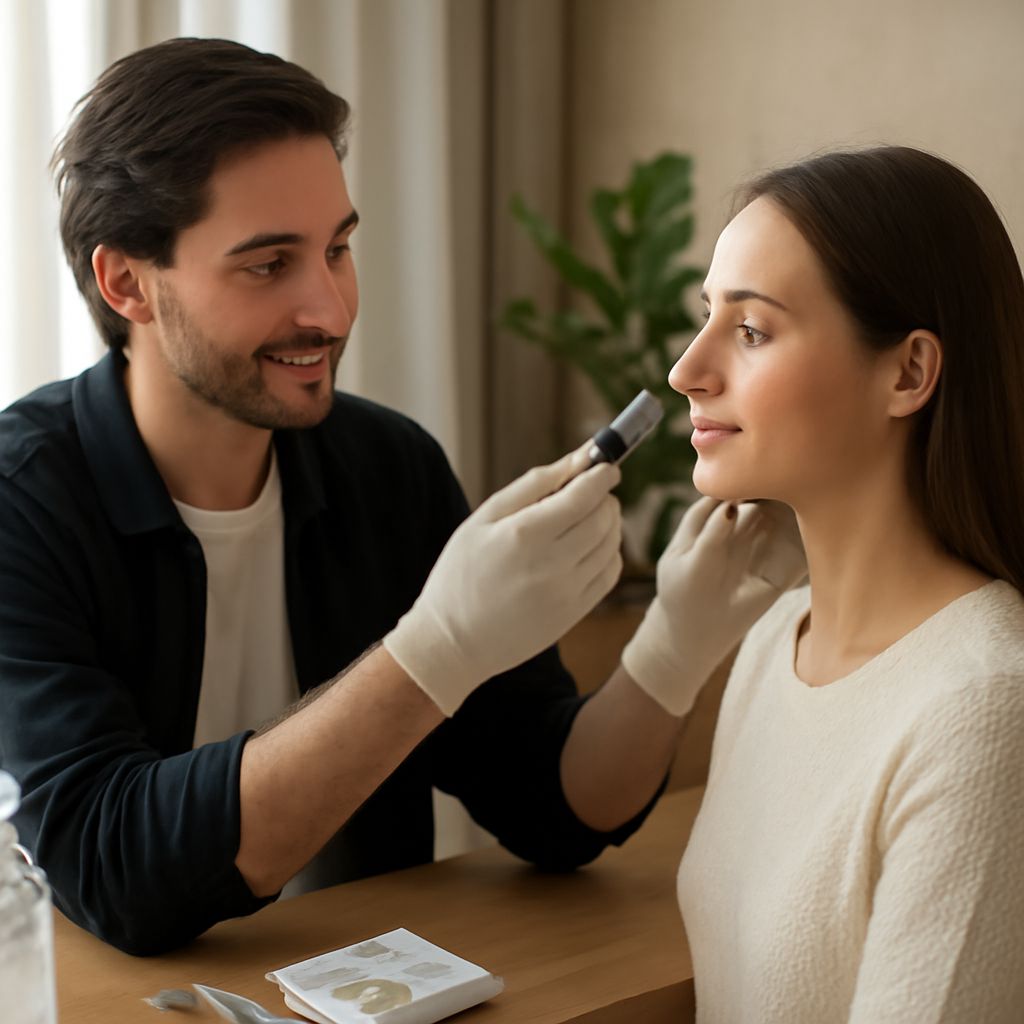
Patients visiting a cosmetic nurse practitioner should expect a thorough consultation before any procedure. A competent aesthetic provider takes a full medical history, reviews medications that may affect treatment safety, and discusses goals and realistic outcomes honestly. High-pressure sales environments are a red flag; reputable nurse practitioner clinics let patients take time to decide.
Post-procedure instructions should be given in writing. Side effects like bruising, swelling, and temporary asymmetry are normal with injectables and should be explained in advance. Patients should also be told what to watch for that would warrant a follow-up call to the clinic. A nurse aesthetician who prioritizes safety and education over volume builds the kind of reputation that sustains a practice long-term.