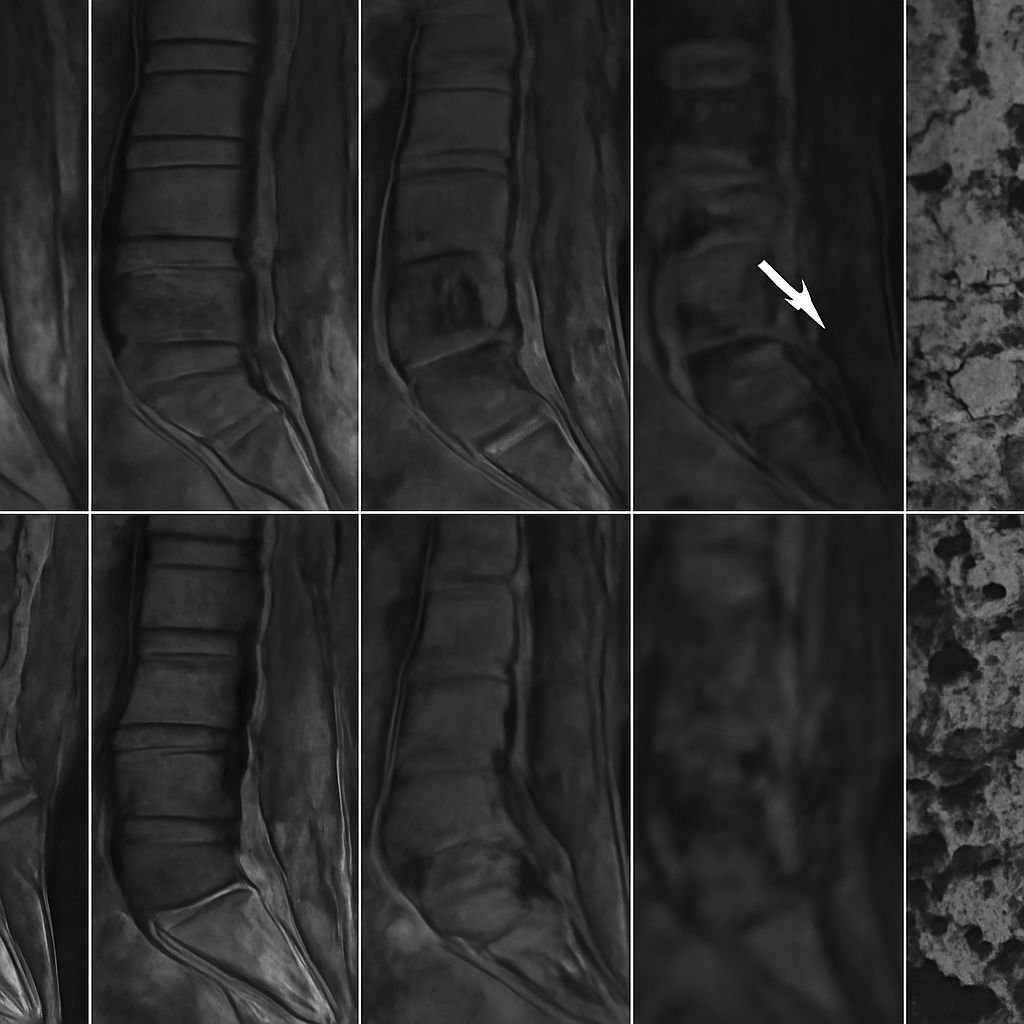
Normal Lumbar MRI: What to Expect and Understand
For many, the thought of undergoing an MRI scan can be quite daunting. The uncertainty surrounding what a normal MRI lumbar spine entails often leads to anxiety and confusion. Fortunately, understanding the results of a normal lumbar MRI can help alleviate these fears and provide reassurance. This article aims to demystify the process, offering insight into what a typical scan reveals and how to distinguish it from abnormal findings. Additionally, should any unexpected issues arise, we’ll discuss the option of visiting urgent care, even during holidays like Thanksgiving.
Understanding a Normal Lumbar MRI
A lumbar MRI is a non-invasive imaging technique that utilizes powerful magnets and radio waves to produce detailed images of the lumbar region of the spine. The goal is to identify any potential abnormalities or confirm the normalcy of spinal structures. When interpreting a normal lumbar MRI, medical professionals look for a clear and symmetrical depiction of the vertebrae, intervertebral discs, and surrounding soft tissues.
In a standard lumbar MRI, the vertebrae should appear aligned without any signs of displacement or deformity. The intervertebral discs, which act as cushions between the bones, are assessed for uniformity and presence of any protrusions. Soft tissues such as muscles and ligaments are also scrutinized for any anomalies, ensuring they appear consistent with healthy, undamaged tissue.
What a Normal MRI Lumbar Spine Reveals
A typical MRI of the lumbar spine will demonstrate the natural curvature of the spine, known as lordosis, without any evidence of scoliosis or kyphosis. Normal lumbar MRI results will show the spinal canal to be free of obstructions, allowing sufficient space for the spinal cord and nerves.
In cases where the MRI findings are typical, the spinal discs will retain their shape and hydration. The vertebral bodies should be free from fractures or unnecessary bone growths, while the facet joints—responsible for providing stability and flexibility—are expected to be intact and without signs of arthritic changes.
Moreover, the presence of any abnormal growths, such as tumors or cysts, is absent in a normal scan. The soft tissues, including the muscles and ligaments, are also seen to be well-defined without signs of inflammation or injury.
Distinguishing Between Normal and Abnormal MRI of Lumbar Spine
While a normal lumbar MRI provides peace of mind, it’s essential to recognize what constitutes an abnormal MRI of the lumbar spine. Discrepancies such as herniated discs, spinal stenosis, or significant degeneration can all be indicative of underlying issues that require further investigation.
When comparing normal MRI results with those that are abnormal, look for signs of disc bulges or herniations, which can compress nerve roots and lead to pain or numbness. Abnormal findings may also include narrowed spinal canals, known as stenosis, which can affect nerve function.
Other deviations from the norm might involve irregularities in the bone structure, like fractures or osteophytes (bone spurs), which can cause discomfort or limit mobility. It is crucial to review these images with a healthcare professional who can provide a comprehensive interpretation.
When to Visit Urgent Care: Open on Thanksgiving
While a normal lumbar MRI often results in relief, there are situations where immediate attention is necessary. If new symptoms arise suddenly, such as severe back pain, loss of bladder control, or weakness in the legs, it may be time to consider visiting urgent care.
Fortunately, many urgent care centers remain open during holidays, including Thanksgiving. These facilities are equipped to handle non-life-threatening emergencies and can provide timely treatment when needed. Should any alarming symptoms manifest following an MRI, seeking help promptly can prevent complications.
Visiting an urgent care center can be a convenient option, especially during holidays when regular healthcare providers may not be accessible. It’s always wise to know the location of the nearest open facility in advance.
Safety Recap: Always ensure that MRI scans are conducted by certified technicians and interpreted by qualified professionals. If using tools or color-enhancing products on MRI images, verify their compatibility to prevent inaccuracies. In case of unexpected symptoms, remember that urgent care centers are available, even during holidays like Thanksgiving.