Northwest Urgent Care: How to Prepare for an MRI
Magnetic Resonance Imaging (MRI) is a critical diagnostic tool used across various medical fields to create detailed images of the organs and tissues in your body. However, the thought of undergoing an MRI scan can be intimidating for many patients. By understanding how to prepare for an MRI, including specific MRI instructions, you can ease the nerves and ensure a smooth experience.
Whether you’re scheduled for a routine MRI or an MRI with contrast, knowing what to expect will help you feel more comfortable. This guide will walk you through the essential steps of preparation, the procedural expectations, and post-scan instructions.
Understanding MRI Scans
An MRI scan employs a magnetic field and radio waves to produce detailed images of the body. Unlike X-rays or CT scans, MRIs do not use ionizing radiation, making them a safer option for capturing images of soft tissues, such as the brain, muscles, and ligaments. Different types of MRI scans are used to diagnose various conditions, from neurological disorders to joint anomalies.
Understanding the mechanics of MRI technology can demystify the process. The scan is non-invasive, and while it is typically painless, some patients find the confined space uncomfortable. Knowing this in advance can help you mentally prepare for the experience.
How to Prepare for MRI
Preparation for an MRI scan begins with understanding the specific requirements of your particular test. Before the procedure, you’ll likely be given detailed MRI instructions, including guidance on eating and drinking. In general, it’s advisable to refrain from consuming large meals or caffeine before your appointment.
Wearing comfortable clothing is key, and you’ll probably be asked to change into a gown provided by the facility. Removing all metal objects from your body, such as jewelry, watches, and belts, is critical, as metal can interfere with the magnetic field.
Informing the radiology team of any medical implants, like pacemakers or cochlear implants, is essential because some devices aren’t safe around MRI machines. Additionally, if you experience anxiety in confined spaces, discuss this with your healthcare provider. They might offer sedation or recommend other techniques to help you stay calm during the scan.
MRI With Contrast Prep
If your physician has ordered an MRI with contrast, there are additional preparation steps to consider. Contrast agents are used to enhance the visibility of certain tissues or blood vessels, providing more detail in the images. The most common agent used is gadolinium, which is generally safe but may require extra precautions if you have kidney problems or allergies.
Before undergoing an MRI with contrast, you’ll be asked about any history of allergic reactions to contrast materials. It’s vital to provide a complete medical history to ensure your safety. Usually, you’ll be instructed not to eat or drink anything for several hours before the test, especially when using contrast agents.
Hydrating well the day before your scan is beneficial, as it can help with the elimination of the contrast material from your body post-procedure. Always follow the specific instructions given by your healthcare provider or the imaging center for accurate preparation.
MRI: What to Expect During the Procedure
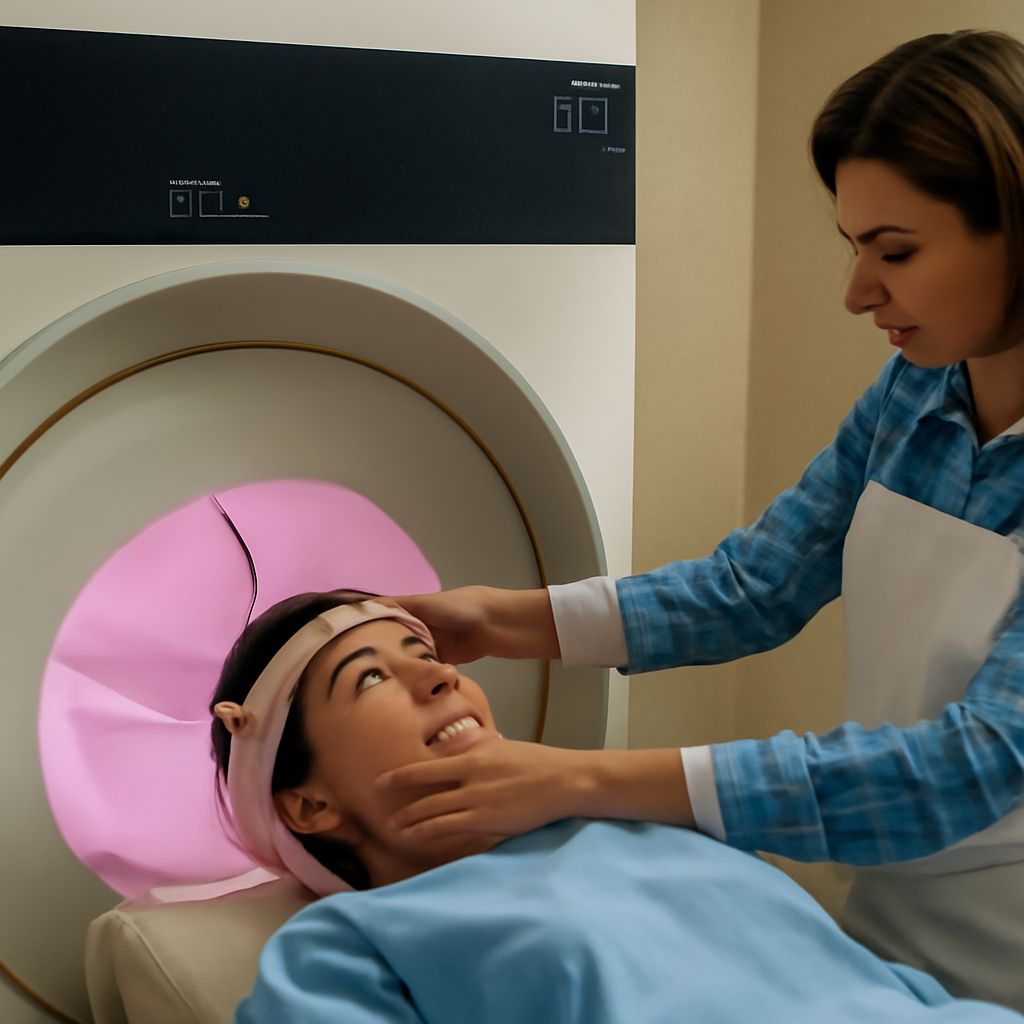
On the day of your MRI, you’ll be guided into the scanning room where the MRI machine is located. The technician will position you on a sliding table that moves into the bore of the magnet. During the procedure, it’s crucial to remain as still as possible to obtain clear images.
The machine generates a series of loud noises, such as thumping and tapping, which are normal. You might be offered earplugs or headphones to reduce the sound. The entire scan typically lasts between 30 to 60 minutes, depending on the area being examined.
For those undergoing an MRI with contrast, the contrast agent will be administered intravenously, either before or during the scan, depending on the study requirements. You might feel a cool sensation as the contrast enters your bloodstream, but this is generally temporary.
MRI Instructions for After the Scan
Once the MRI scan is complete, you can usually return to your normal activities immediately. If you were given a sedative to help with anxiety, it’s important to arrange for someone to drive you home and stay with you until the sedative effects wear off.
For those who had an MRI involving a contrast agent, drinking plenty of fluids post-scan helps flush the substance from your body. Watch for any unusual reactions, such as itching or swelling, and contact your healthcare provider if concerns arise.
Understanding the results typically involves a follow-up appointment where your doctor will explain the findings and discuss any necessary further actions. Keeping open communication with your healthcare professional ensures you stay informed about your health.
Next steps: Preparing for an MRI involves a combination of understanding the technology, following preparation guidelines, and knowing what to expect during and after the scan. Consistent communication with your healthcare provider and following professional best practices will lead to a more comfortable and efficient imaging experience. Schedule regular check-ins and maintain a record of your imaging history to assist in future diagnostic processes.