Capsule Endoscopy Procedure: A Comprehensive Guide
Advancements in medical technology have brought about innovative techniques like capsule endoscopy, which provides a less invasive method to diagnose gastrointestinal issues. But what conditions can be diagnosed using capsule endoscopy and how might these procedures affect stomach pain after an endoscopy biopsy? This article delves into these questions, offering insights into the process and outcomes of capsule endoscopy.
Introduction to the Capsule Endoscopy Procedure
What Is Capsule Endoscopy?
Capsule endoscopy involves swallowing a small, pill-sized camera that travels through your digestive tract, capturing detailed images. It is an effective method for examining the small intestine, which traditional endoscopes find challenging to reach. This innovative approach allows for a comprehensive view of the gastrointestinal tract without necessitating invasive methods.
How Does the Procedure Work?
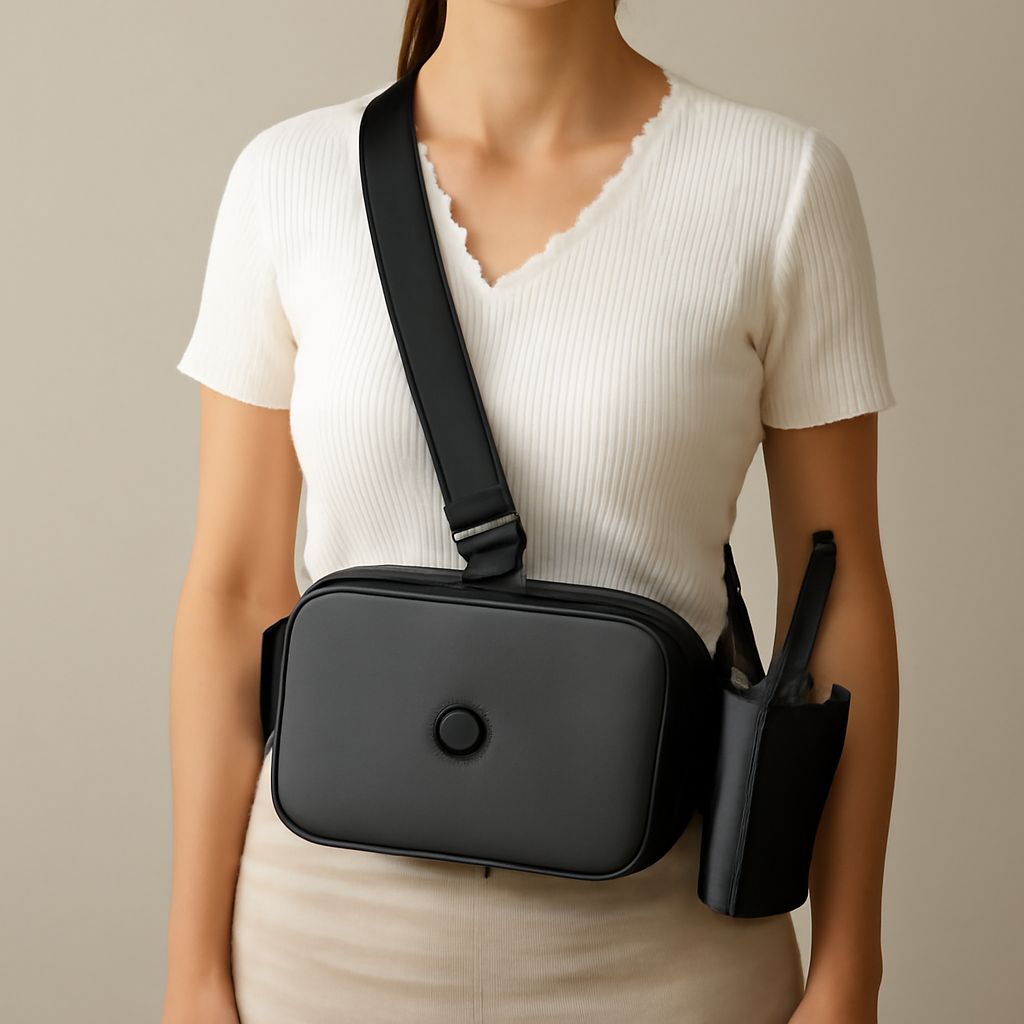
Upon swallowing the capsule, it starts snapping multiple images per second as it journeys through the digestive system. These images are transmitted wirelessly to a recording device worn by the patient. After approximately 8 to 12 hours, the capsule naturally exits the body. The images are then examined by a doctor to identify any abnormalities or signs of disease.
What Conditions Can Be Diagnosed Using Capsule Endoscopy
Common Diagnoses
Capsule endoscopy is particularly useful in diagnosing conditions such as Crohn’s disease, celiac disease, and gastrointestinal bleeding. It offers a thorough inspection of the small intestine, helping to identify sources of bleeding or inflammation that might not be detected through other diagnostic methods. Additionally, it can spot tumors or polyps that might lead to further investigations.
Benefits Over Traditional Endoscopy
Compared to traditional endoscopy, capsule endoscopy provides a non-invasive alternative with minimal discomfort. Patients avoid sedation and potential complications associated with conventional endoscopic procedures, such as perforation. Furthermore, it covers the entire length of the small intestine, offering insights that a standard endoscopy cannot usually achieve.
Capsule Endoscopy: How Long to Pass and What to Expect
Preparing for the Procedure
Preparation for capsule endoscopy is straightforward, typically involving fasting for around 12 hours before the procedure to ensure a clear view. Patients may also be asked to avoid specific medications that could interfere with the camera’s ability to capture clear images.
Duration and Aftercare
The capsule normally takes about 8 hours to capture images, after which it will naturally pass out of the body. Patients can generally resume normal activities during the procedure but are advised to avoid strenuous exercise. After the procedure, a follow-up consultation is necessary to discuss the findings and any further steps required based on the results.
Understanding Stomach Pain After Endoscopy Biopsy
Causes and Remedies
Post-procedure stomach pain can occur after an endoscopy biopsy. This discomfort is typically temporary, often caused by air introduced into the stomach during the procedure. Patients can manage this pain with over-the-counter pain relief and rest. If discomfort persists, it is crucial to consult a healthcare professional.
When to Consult a Doctor
While mild stomach pain is common, persistent or severe pain after an endoscopy biopsy warrants immediate medical attention. Symptoms like fever, vomiting, or inability to pass gas might indicate complications such as perforation or infection, necessitating prompt evaluation and intervention.
Exploring Capsule Colonoscopy: An Emerging Technology
Capsule colonoscopy is an emerging technology that builds on the principles of capsule endoscopy. It is designed to visualize the colon, potentially replacing more traditional colonoscopy methods in certain cases. This technology offers a promising alternative for patients unable to undergo conventional colonoscopy due to health risks or personal preference.
The capsule used in colonoscopy is equipped with advanced imaging capabilities, allowing for a detailed view of the colon’s lining as it passes through the digestive system. While still in the early stages of adoption, capsule colonoscopy represents a significant step forward in minimally invasive diagnostic procedures.
Key takeaways: Capsule endoscopy provides a minimally invasive means to examine the small intestine, while capsule colonoscopy offers a potential alternative to traditional colonoscopy. Understanding the conditions these procedures can diagnose, as well as the potential for post-procedure discomfort, is crucial for patients considering these options. Always consult with healthcare professionals for tailored advice and follow-up care.