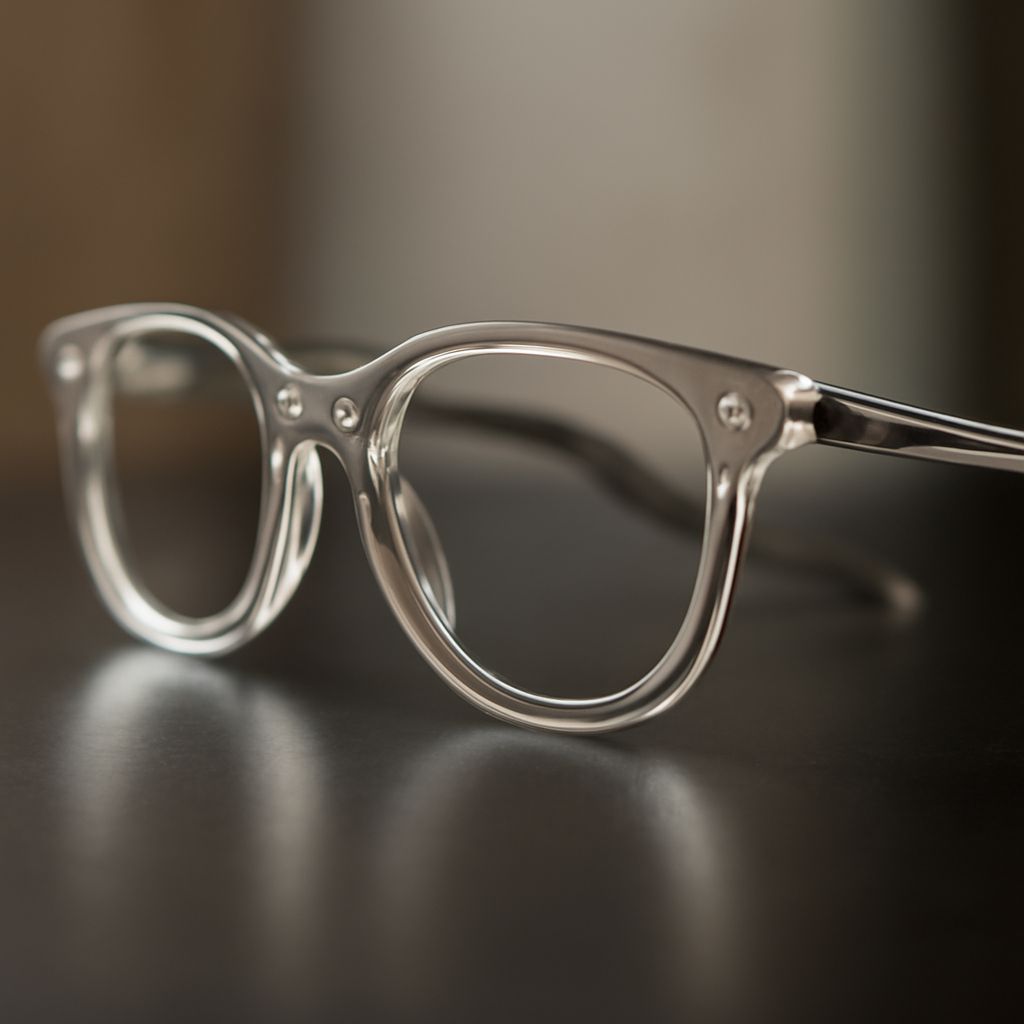
Medicaid Vision Coverage: Glasses, Dentures, and Eye Exams
Medicaid Vision Coverage: Glasses, Dentures, and Eye Exams
Medicaid benefits vary more by state than most beneficiaries realize, and vision and dental services are among the most variable. Medicaid vision coverage for adults is an optional benefit that states can include or exclude; most states offer at least limited eye care for children. Medicaid vision benefits may include one exam per year plus a pair of eyeglasses at a set reimbursement amount. Finding an optometrist that accepts medicaid in your area requires checking your state Medicaid managed care plan’s provider directory. Dentures medicaid coverage is separate from vision and also varies significantly by state—some offer full denture coverage for adults, others provide none. Eyeglasses medicaid coverage typically covers basic frames and standard lenses when included in your state’s plan.
What Medicaid Vision Benefits Include
When a state includes vision in its Medicaid plan, covered services typically include a comprehensive eye exam once every 12 or 24 months, one pair of eyeglasses with standard single-vision or bifocal lenses, and an allowance toward frame cost. Medicaid vision benefits do not cover contact lenses in most states unless medically necessary (for conditions like keratoconus or post-corneal surgery). Eyeglasses under Medicaid have frame selections limited to those on the approved list, which is narrower than what a private-pay patient might choose. Upgrades such as anti-reflective coatings, progressive lenses, or fashion frames require an out-of-pocket copay in most state plans.
Finding an Optometrist That Accepts Medicaid
Not every optometry office participates in Medicaid, and finding an optometrist that accepts medicaid is the practical bottleneck for many beneficiaries. Your Medicaid managed care plan’s website or member services line provides the most current provider directory. Federally Qualified Health Centers and some community health organizations include optometry services on a sliding-scale or Medicaid-covered basis. School-based health programs often provide vision screenings and referrals for children enrolled in Medicaid or CHIP. When calling to schedule, confirm the provider’s current Medicaid participation status—directories are not always current.
Dentures and Adult Dental Under Medicaid
Dentures medicaid coverage exists in some states as part of optional adult dental benefits. States that include dentures typically cover complete upper and lower dentures for edentulous patients every five to seven years. Partial dentures, denture relines, and implant-supported options are less commonly covered. States with no adult dental benefit do not cover dentures at all. Emergency dental services—extractions for acute infections—are covered in more states than routine care. Checking your state’s Medicaid dental benefit summary through your managed care organization or state Medicaid agency website clarifies what’s available. Key takeaways: medicaid vision coverage is state-dependent; finding participating providers requires checking current directories; and dentures medicaid coverage is available in some states but absent in others—knowing your state’s specific plan avoids wasted appointments.